Sleep apnea is a serious sleep disorder that occurs when a person’s breathing is interrupted during sleep. While it is commonly associated with fatigue and disrupted sleep, the impact of sleep apnea extends beyond just feeling tired. It can significantly affect your oral health and may lead to other serious dental and overall health complications. In this article, we’ll explore how sleep apnea affects oral health and what steps you can take to address this condition.
What is Sleep Apnea?
Sleep apnea is a condition where a person’s airway becomes partially or completely blocked during sleep, causing pauses in breathing. These pauses can last for several seconds or even minutes and can happen multiple times throughout the night. The most common type of sleep apnea is obstructive sleep apnea (OSA), where the muscles at the back of the throat relax too much and block the airway.
Don't Delay Your Treatment
Let's create your personalised treatment plan right away with a complimentary consultation with our specialist dentists.
This condition not only disrupts sleep, but it can also cause a number of oral health issues that may require professional treatment. People with sleep apnea may grind their teeth, suffer from dry mouth, and experience other dental concerns as a result of poor breathing patterns during sleep.
The Link Between Sleep Apnea and Oral Health
Sleep apnea can have a significant impact on oral health in a number of ways. Below are some of the common dental issues associated with sleep apnea:
Teeth Grinding and Jaw Clenching
One of the most common dental issues associated with sleep apnea is bruxism, which is the grinding or clenching of teeth during sleep. People with sleep apnea may clench their jaws or grind their teeth as a response to airway obstruction. This can lead to worn-down teeth, jaw pain, and increased tooth sensitivity.
If you notice that you wake up with a sore jaw or teeth that feel sensitive, sleep apnea could be the cause. This is why it’s important to address sleep apnea promptly with the help of your dentist.
Dry Mouth and Oral Infections
People with sleep apnea often breathe through their mouths during sleep because their airway becomes blocked. Mouth breathing can cause dry mouth, which can increase the risk of cavities, gum disease, and bad breath. Saliva is essential for protecting your teeth and gums from harmful bacteria, and when it’s reduced due to dry mouth, oral infections can develop more easily.
Don't Delay Your Treatment
Let's create your personalised treatment plan right away with a complimentary consultation with our specialist dentists.
If you’re experiencing dry mouth regularly, it’s important to discuss potential treatments with your dentist to prevent the onset of oral infections.
Gum Disease and Inflammation
Sleep apnea has been linked to chronic inflammation, including inflammation of the gums. The stress caused by interrupted breathing can contribute to inflammation throughout the body, including the gums. Gum disease (periodontal disease) is caused by plaque buildup along the gumline and can progress to more serious stages, including tooth loss, if not properly managed.
Treating sleep apnea can help reduce the risk of developing gum disease by improving your overall health and reducing inflammation.
How Sleep Apnea Affects Overall Health
The impact of sleep apnea goes beyond oral health. In fact, untreated sleep apnea can lead to a range of serious health problems, including:
Cardiovascular Health Issues
There is a strong connection between sleep apnea and cardiovascular health. The repeated pauses in breathing can cause sudden drops in oxygen levels, leading to an increased risk of high blood pressure, heart disease, and stroke. People with sleep apnea are also at greater risk for arrhythmias (irregular heartbeats), which can further strain the heart.
Don't Delay Your Treatment
Let's create your personalised treatment plan right away with a complimentary consultation with our specialist dentists.
By addressing sleep apnea, you can reduce your risk of developing these cardiovascular issues and improve your heart health.
Increased Risk of Diabetes
Sleep apnea has been shown to be a risk factor for type 2 diabetes. The repeated interruptions in breathing can cause an imbalance in glucose metabolism, which can lead to insulin resistance. People with sleep apnea are more likely to develop diabetes, particularly if they are already at risk due to other factors.
By managing sleep apnea, you can help reduce the risk of developing diabetes and improve your overall health.
Memory and Cognitive Function
Sleep apnea can also affect brain function, leading to memory problems and difficulty concentrating. Poor sleep quality caused by interrupted breathing can reduce the brain’s ability to process and retain information. This can lead to issues with focus, memory, and even mood regulation.
Addressing sleep apnea can improve sleep quality and enhance cognitive function, allowing you to think more clearly and improve your overall well-being.
Don't Delay Your Treatment
Let's create your personalised treatment plan right away with a complimentary consultation with our specialist dentists.
How to Address Sleep Apnea and Protect Your Oral Health
If you suspect that you have sleep apnea or have already been diagnosed, it’s important to seek treatment right away. There are several options available for managing sleep apnea, many of which can also help protect your oral health:
CPAP Therapy
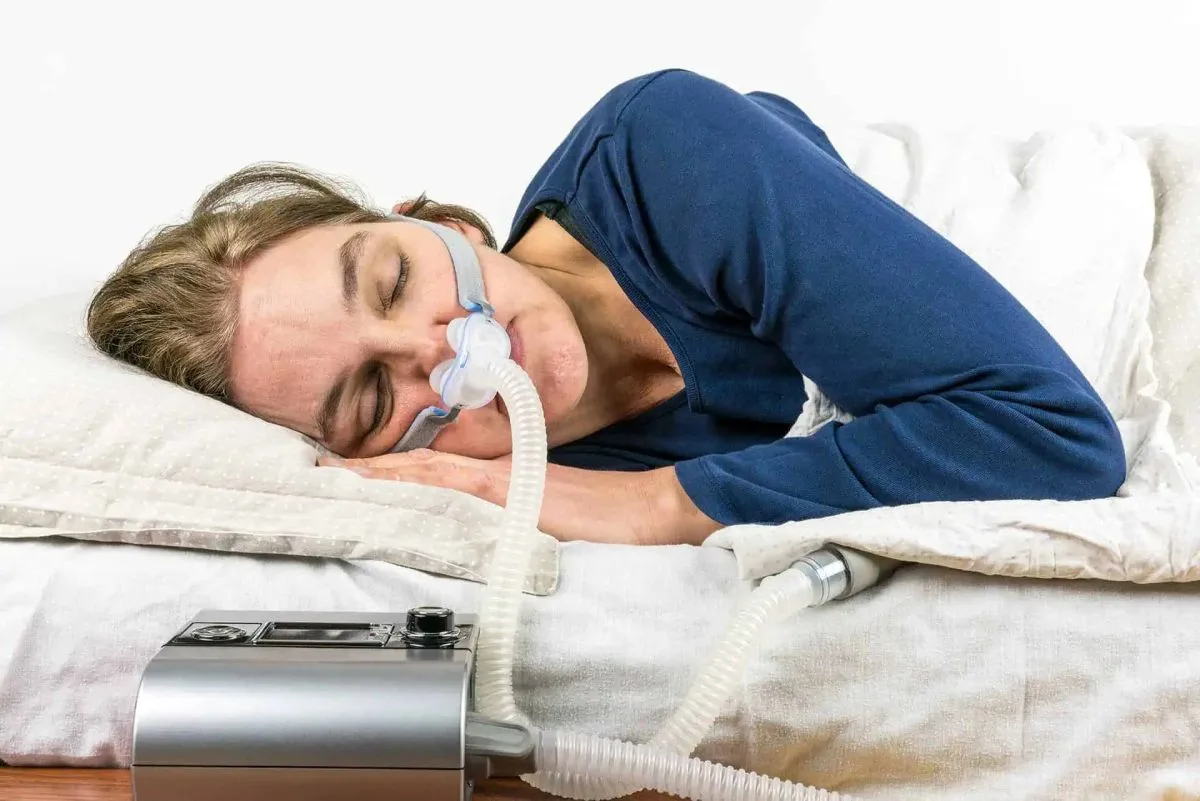
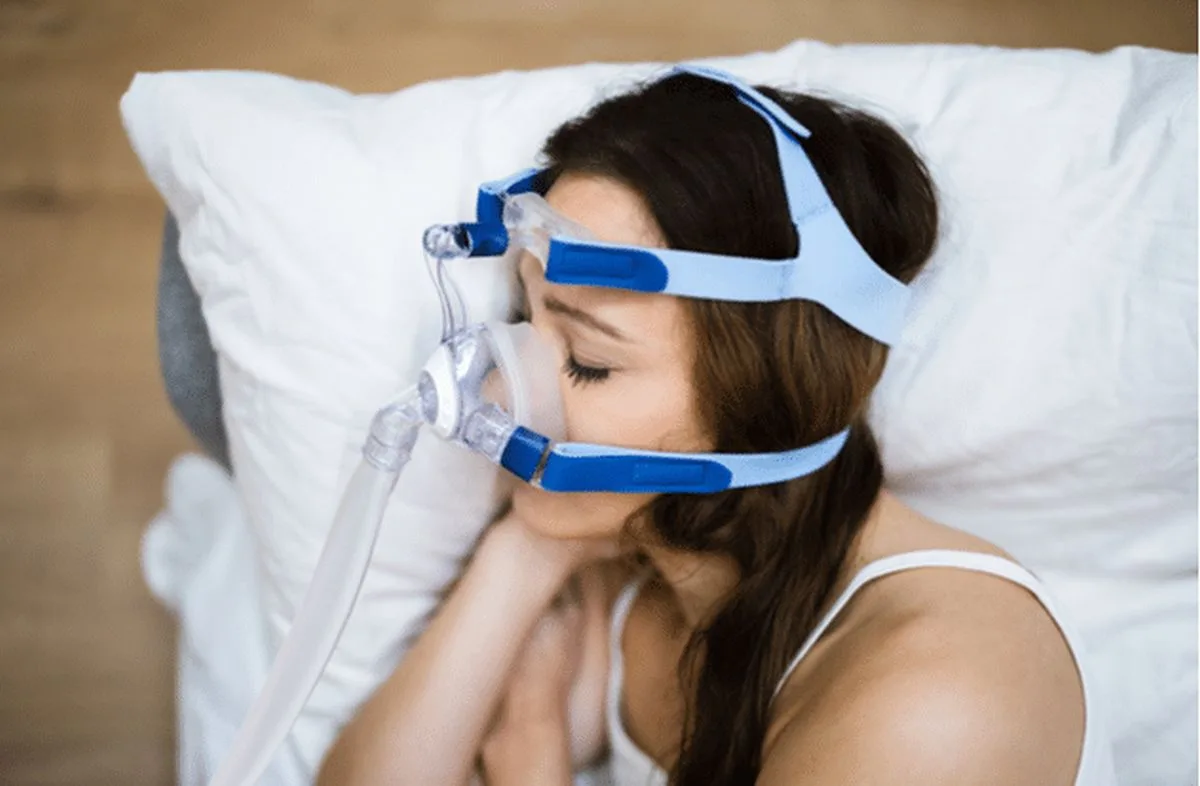
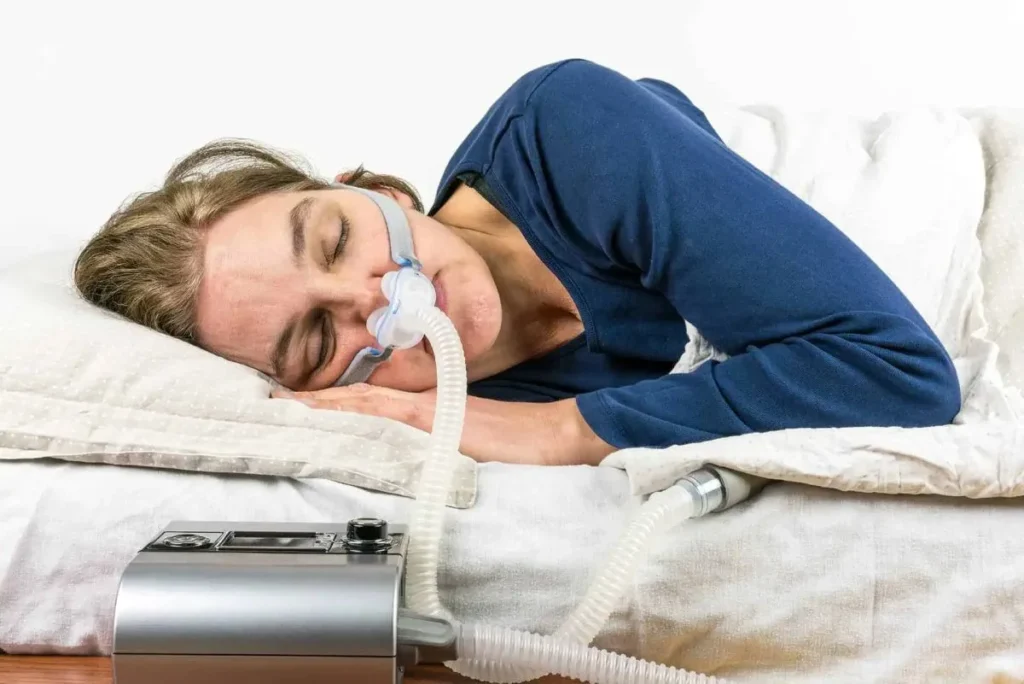
One of the most common treatments for sleep apnea is continuous positive airway pressure (CPAP) therapy. CPAP involves wearing a mask that delivers a steady stream of air to keep your airway open while you sleep. This therapy can help prevent the breathing interruptions associated with sleep apnea and reduce the impact on your oral health.
Oral Appliances
For people with mild to moderate sleep apnea, oral appliances (also known as dental devices) can be a highly effective treatment. These devices are custom-fitted by your dentist and work by repositioning your lower jaw to keep your airway open during sleep. Oral appliances can help reduce snoring, teeth grinding, and other oral health issues caused by sleep apnea.
If you’re interested in exploring oral appliances, Genç Dental offers a variety of solutions to address your sleep apnea concerns. You can also learn more about how our Aesthetic Dentistry services can help protect your teeth from the effects of sleep apnea.
Lifestyle Changes and Sleep Hygiene
In addition to medical treatments, certain lifestyle changes can help manage sleep apnea. Maintaining a healthy weight, avoiding alcohol or sedatives before bed, and sleeping on your side can help reduce the severity of sleep apnea symptoms. Good sleep hygiene, including maintaining a regular sleep schedule, can also improve the quality of your sleep.
Don't Delay Your Treatment
Let's create your personalised treatment plan right away with a complimentary consultation with our specialist dentists.
Conclusion
Sleep apnea is a condition that can have serious consequences for your oral and overall health. By seeking treatment for sleep apnea, you can protect your teeth, gums, and overall health. Whether you choose CPAP therapy, oral appliances, or other treatment options, addressing sleep apnea is an important step in improving your quality of life.
If you suspect you have sleep apnea or are experiencing related oral health issues, it’s essential to consult with a dentist or sleep specialist. At Genç Dental, we offer a range of dental services, including Periodontal Gum Diseases and Treatment, to help you manage your oral health while addressing the impact of sleep apnea.
Visit Genç Dental for Comprehensive Dental Care
For a full range of services to manage sleep apnea and protect your oral health, visit Genç Dental today. Our team is here to help you achieve and maintain a healthy smile and overall well-being. Contact us for personalized solutions tailored to your needs.”