
Teeth whitening is a highly effective way to achieve a brighter, more confident smile. However, one common side effect is temporary tooth sensitivity. Many people experience discomfort and tooth sensitivity when consuming hot, cold, or sweet foods after whitening treatments. Fortunately, there are ways to manage this sensitivity and continue enjoying your newly whitened teeth without pain.
This guide will explore why whitening causes sensitivity, effective ways to reduce discomfort, and how to prevent it in future whitening treatments.
Don't Delay Your Treatment
Let's create your personalised treatment plan right away with a complimentary consultation with our specialist dentists.
Why Does Teeth Whitening Cause Sensitivity?
Teeth whitening treatments work by using bleaching agents like hydrogen peroxide or carbamide peroxide. These ingredients penetrate the enamel to remove deep stains, reaching the dentin layer, where microscopic tubules lead to the nerves inside your teeth. This process can temporarily expose the nerves, making your teeth more sensitive to temperature changes and certain foods which means tooth sensitivity.
The degree of sensitivity varies from person to person and depends on several factors, such as the strength of the whitening treatment, how often it’s used, and the overall health of your enamel.

How to Reduce Sensitivity After Teeth Whitening
1. Use a Desensitizing Toothpaste
One of the easiest ways to manage tooth sensitivity is by switching to a toothpaste designed for sensitive teeth. These toothpastes contain ingredients like potassium nitrate and stannous fluoride, which help block pain signals from reaching the nerves. Using a desensitizing toothpaste daily can gradually reduce sensitivity and strengthen enamel.
2. Avoid Extremely Hot or Cold Foods and Drinks
Since teeth are more sensitive after whitening, consuming extremely hot or cold items can trigger discomfort. Try to stick to room-temperature foods and beverages for the first 48 hours after whitening. Instead of ice-cold water, drink lukewarm or slightly cool water to minimize irritation.
3. Apply Fluoride Gel or Mouthwash
Fluoride strengthens enamel and reduces nerve exposure. Many dentists recommend using a fluoride mouthwash or gel to help protect teeth and reduce post-whitening sensitivity. You can ask your dentist about in-office fluoride treatments or prescription fluoride products for added protection.
Don't Delay Your Treatment
Let's create your personalised treatment plan right away with a complimentary consultation with our specialist dentists.
4. Brush with a Soft-Bristled Toothbrush
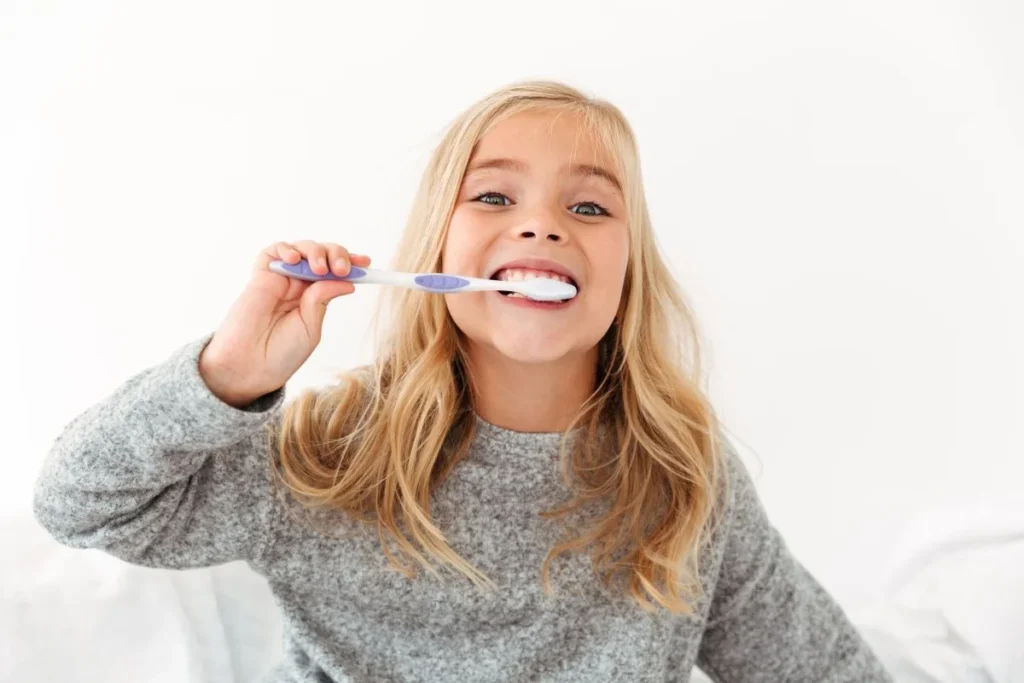
A toothbrush with soft bristles is gentler on your enamel and gums. Harsh brushing with a hard-bristled toothbrush can wear down enamel, worsening sensitivity. Use gentle strokes and avoid excessive pressure when brushing.
5. Reduce Whitening Frequency
If you use at-home whitening kits frequently, consider reducing the frequency to minimize sensitivity. Overuse of whitening products can weaken enamel, making teeth more prone to discomfort. If you experience severe sensitivity, consult a professional for a safer approach.
Best Foods to Eat After Whitening
The foods you eat after teeth whitening can affect both sensitivity and the longevity of your results. Here are some dentist-approved options:
- Dairy products (milk, cheese, yogurt) – Rich in calcium and help strengthen enamel.
- Bananas – Non-acidic and gentle on sensitive teeth.
- Boiled or mashed potatoes – Soft and neutral, causing minimal irritation.
- Rice and pasta – Mild foods that won’t stain or irritate teeth.
- Soft proteins (chicken, turkey, tofu) – Easy to chew and non-acidic.
Avoid highly pigmented, acidic, or sugary foods, as they can worsen sensitivity and stain your newly whitened teeth.
How Long Does Sensitivity Last After Whitening?
For most individuals, sensitivity lasts between 24 and 48 hours after whitening treatment. However, in some cases, it may persist for up to a week, depending on the method used. If you experience prolonged sensitivity beyond a week, it’s best to consult a dentist to rule out any underlying issues.
Don't Delay Your Treatment
Let's create your personalised treatment plan right away with a complimentary consultation with our specialist dentists.
When to See a Dentist
While mild sensitivity is normal, certain symptoms may indicate a more serious issue. You should see a dentist if you experience:
- Severe pain that lasts longer than a week
- Sharp pain when biting down
- Visible enamel erosion or gum irritation
- Tooth damage, such as cracks or fractures
Your dentist may recommend additional treatments, such as fluoride applications or dental fillings, if enamel damage is detected.
How to Prevent Sensitivity in Future Whitening Sessions
Preventing tooth sensitivity before whitening can make the experience more comfortable. Here are some proactive steps to take:
- Use a desensitizing toothpaste for at least two weeks before whitening.
- Opt for professional whitening instead of over-the-counter kits, as dentists can customize treatments to minimize sensitivity.
- Strengthen enamel by maintaining a diet rich in calcium and using fluoride-based products.
- Avoid excessive whitening treatments to prevent enamel erosion.
For individuals with extremely sensitive teeth, alternatives like veneers can offer a permanent whitening solution without causing discomfort.
Professional Whitening vs. At-Home Kits: Which is Better?
At-home whitening kits are convenient, but they often cause more sensitivity due to improper usage or strong chemicals. Professional teeth whitening performed by a dentist is a safer option because:
Don't Delay Your Treatment
Let's create your personalised treatment plan right away with a complimentary consultation with our specialist dentists.
- It uses controlled levels of whitening agents.
- The dentist can apply desensitizing treatments before and after the procedure.
- Results are more effective and long-lasting.
If you’re considering professional whitening but are concerned about sensitivity, talk to your dentist about aesthetic dentistry options that suit your needs.
Get a Brighter Smile with Expert Care at Genç Dental
Managing sensitivity after whitening doesn’t have to be difficult. At Genç Dental, we provide professional whitening treatments with customized care to minimize discomfort. Our expert dentists ensure safe and effective results tailored to your needs.
Whether you need professional whitening, veneers, or solutions for sensitive teeth, we’re here to help. Contact us today to schedule an appointment and achieve a brighter, pain-free smile!