
Losing a tooth – whether through injury, extensive decay, gum disease, or simply the natural process of aging – often feels like more than just a gap in your smile. It can subtly, or sometimes dramatically, alter how you eat, speak, and feel about your appearance. While the cosmetic aspect is often the most immediate concern, the reality is that a missing tooth sets off a chain reaction of consequences within your mouth that can significantly impact your long-term oral health and even your overall well-being. It’s not just about aesthetics; it’s about function, stability, and preventing a cascade of future problems.
Think of your teeth as a finely tuned team, working together not just for chewing, but also for supporting each other and maintaining the structure of your jaw and face. When one member is lost, the entire system is disrupted. Understanding the critical reasons *why* replacing missing teeth is so essential is the first step towards making informed decisions about restoring your smile and safeguarding your health. This isn’t just about filling a space; it’s about reinvesting in the foundation of your oral wellness.
Don't Delay Your Treatment
Let's create your personalised treatment plan right away with a complimentary consultation with our specialist dentists.
The Domino Effect: Why Ignoring a Gap is Risky Business
Leaving a gap where a tooth used to be might seem harmless initially, especially if it’s not visible when you smile. However, the underlying consequences can be far-reaching and often progress silently until significant issues arise.
1. Teeth Drifting and Bite Problems (Malocclusion)
Your teeth are held in place partly by their neighbours. When a tooth is missing, the adjacent teeth naturally tend to drift or tilt into the empty space. Even the opposing tooth (in the opposite jaw) can start to over-erupt, moving downwards or upwards into the gap because it lacks its counterpart to bite against. This shifting isn’t just random; it disrupts the carefully balanced alignment of your bite (occlusion). A misaligned bite can lead to:
- Chewing Difficulties: Making it harder to properly break down food.
- Increased Stress on Remaining Teeth: Causing excessive wear, chipping, or even fractures on the teeth bearing the brunt of the altered bite forces.
- TMJ Issues: Strain on the jaw joints (temporomandibular joints) can lead to pain, clicking, popping, headaches, and muscle soreness.
- Difficulty Cleaning: Shifted teeth create awkward angles and tight spaces where plaque and bacteria can easily accumulate, increasing the risk of cavities and gum disease in those areas.
Essentially, ignoring one gap can destabilize your entire dental arch.
2. Jawbone Deterioration (Resorption)
This is one of the most significant but often invisible consequences. Your jawbone requires stimulation to maintain its density and volume, much like a muscle needs exercise. This stimulation normally comes from the forces transmitted through the tooth roots during chewing. When a tooth is lost, the underlying bone in that area no longer receives this vital signal. Following a principle sometimes related to Wolff’s Law (which states bone adapts to the loads placed upon it), the body begins to resorb or break down the unused bone. This resorption can lead to:
- Facial Changes: Significant bone loss can alter facial structure, leading to a sunken appearance around the mouth, thinning lips, and premature wrinkling – contributing to an older look.
- Difficulty with Future Restorations: If you wait too long, there might not be enough bone remaining to securely place a dental implant without requiring additional procedures like bone grafting.
- Weakening of Adjacent Teeth Support: As bone recedes, it can compromise the stability of neighbouring teeth.
Bone loss starts almost immediately after tooth extraction and progresses over time.
Don't Delay Your Treatment
Let's create your personalised treatment plan right away with a complimentary consultation with our specialist dentists.
3. Impaired Chewing and Nutrition
Missing teeth, particularly molars which do the heavy lifting of grinding food, can significantly impact your ability to chew efficiently. You might find yourself avoiding certain foods (like fibrous vegetables, nuts, or tougher meats) that are essential for a balanced diet. This can inadvertently lead to nutritional deficiencies over time. Compensating by chewing only on one side can also lead to uneven wear and muscle strain.
4. Speech Impediments
Your teeth play a crucial role in articulation, helping your tongue and lips form specific sounds. Missing teeth, especially front teeth, can lead to difficulties pronouncing certain words, potentially causing whistling sounds or lisps. This can impact communication clarity and self-confidence.
5. Psychological and Social Impact
The aesthetic impact of missing teeth shouldn’t be underestimated. Feeling self-conscious about gaps in your smile can lead to reduced confidence, social avoidance, and reluctance to smile freely or speak up in groups. Restoring your smile can have a profoundly positive effect on self-esteem and social interaction.
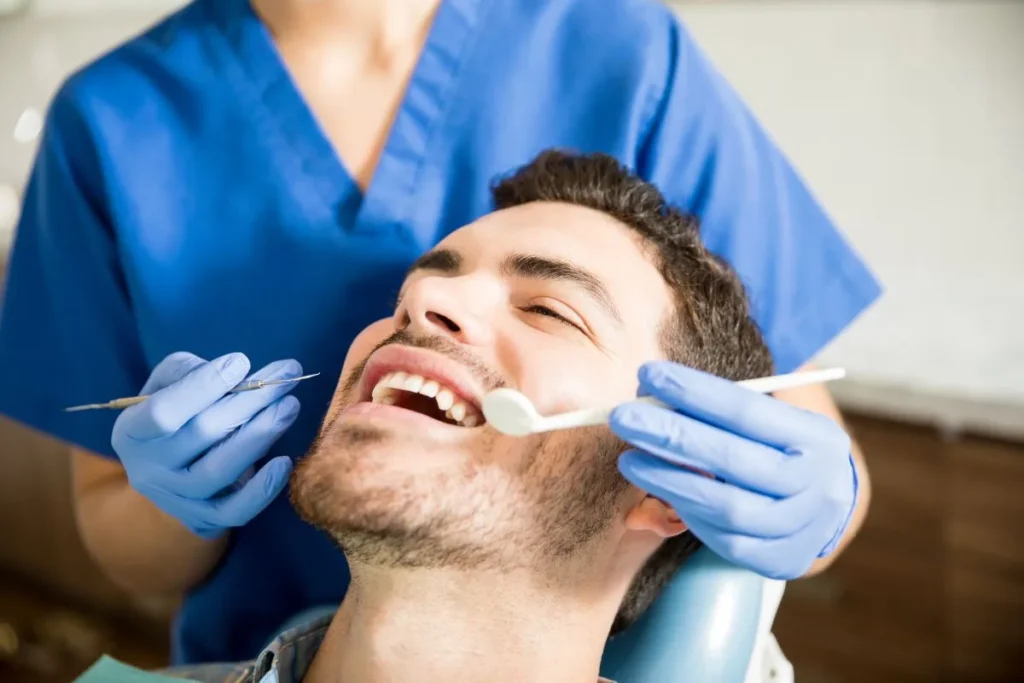
Exploring Your Options: Modern Solutions for Missing Teeth
Thankfully, modern dentistry offers several excellent solutions to replace missing teeth, each with its own set of advantages, disadvantages, and suitability depending on individual circumstances like the number of missing teeth, location, bone health, budget, and personal preference.
1. Dental Implants: The Gold Standard
Often considered the most advanced and durable solution, dental implants are essentially artificial tooth roots surgically placed into the jawbone. They are typically made of biocompatible titanium, which fuses directly with the bone through a process called osseointegration. Once integrated, an abutment (connector post) is attached, followed by a custom-made crown, bridge, or denture.
Don't Delay Your Treatment
Let's create your personalised treatment plan right away with a complimentary consultation with our specialist dentists.
Key Advantages:
- Preserves Jawbone: Implants provide the necessary stimulation to prevent bone resorption.
- Natural Look and Feel: They look, feel, and function almost identically to natural teeth.
- Doesn’t Affect Adjacent Teeth: Unlike traditional bridges, implants don’t require altering neighbouring healthy teeth.
- High Success Rate and Longevity: With proper care, implants can last for many years, often a lifetime.
- Improved Stability: They provide a secure foundation for replacement teeth, eliminating the slippage sometimes associated with dentures.
Considerations: Requires sufficient bone density (bone grafting may be needed), involves surgery, typically higher initial cost, and treatment time can span several months.
2. Dental Bridges: Bridging the Gap
A dental bridge literally “bridges” the gap created by one or more missing teeth. A traditional bridge involves creating crowns for the teeth on either side of the gap (abutment teeth) and attaching a false tooth (or teeth), called a pontic, between them. The entire structure is then cemented into place.
Key Advantages:
- Fixed Solution: Non-removable, providing good stability for chewing and speaking.
- Aesthetically Pleasing: Can restore a natural-looking smile.
- Faster Treatment Time: Typically completed more quickly than the full implant process.
- Less Invasive Than Implants: Doesn’t usually require bone surgery (unless extractions are needed first).
Considerations: Requires altering potentially healthy abutment teeth, the bone beneath the pontic can still resorb over time, requires meticulous cleaning underneath the pontic, and longevity might be less than implants. Effectively placing bridges often relies on well-prepared abutment teeth, sometimes involving dental crowns as part of the process.
Don't Delay Your Treatment
Let's create your personalised treatment plan right away with a complimentary consultation with our specialist dentists.
3. Dentures: Removable Replacements
Dentures are removable appliances designed to replace missing teeth and surrounding tissues. They come in various forms:
- Full Dentures: Replace all teeth in an upper or lower arch. They rest on the gums.
- Partial Dentures: Replace one or several missing teeth. They usually attach to remaining natural teeth with clasps or precision attachments.
Key Advantages:
- Cost-Effective: Generally the most affordable option, especially for replacing multiple teeth.
- Non-Invasive: No surgery required (unless extractions are needed first).
- Relatively Quick: Can often be fabricated faster than bridges or implants.
Considerations: Removable (can sometimes feel less secure or slip), may require adjustments over time as the jawbone changes, require diligent cleaning, bone resorption continues underneath, may affect taste or speech initially. For those seeking removable options, dentures remain a viable and common choice.
Beyond the Basics: Important Long-Term Considerations
Choosing a replacement option is just the beginning. Maintaining your oral health and the longevity of your restoration requires ongoing care and attention.
Maintaining Oral Hygiene with Restorations
Regardless of the type of replacement, excellent oral hygiene is paramount. Implants need brushing and flossing like natural teeth, potentially with special tools to clean around the abutment. Bridges require careful cleaning under the pontic using floss threaders or interdental brushes to prevent plaque buildup. Dentures must be removed and cleaned daily, and the gums underneath need gentle brushing. Poor hygiene around any restoration can lead to inflammation, infection, and potentially failure of the restoration or damage to remaining natural teeth. Regular visits for general dentistry check-ups and cleanings are crucial for monitoring the health of both your natural teeth and your restorations.
Don't Delay Your Treatment
Let's create your personalised treatment plan right away with a complimentary consultation with our specialist dentists.
The Aesthetic Component
Replacing missing teeth isn’t just about function; it’s also about restoring confidence through a natural-looking smile. Modern materials and techniques allow dentists to create restorations that blend seamlessly with your existing teeth in terms of colour, shape, and translucency. Whether it’s the precise shade matching of an implant crown or the artistry involved in crafting lifelike dentures, the goal is a result you feel proud of. Discussing your aesthetic goals is an important part of the treatment planning process, sometimes involving aspects of cosmetic dentistry to achieve the desired outcome.

Making the Right Choice for You
Deciding on the best way to replace missing teeth is a personal journey. Factors influencing the decision include:
- Number and Location of Missing Teeth: Replacing a single front tooth might favour an implant or bridge, while replacing many teeth might involve implants, bridges, or dentures.
- Jawbone Health: Sufficient bone is crucial for implants. Bone grafting might be necessary if significant resorption has occurred.
- Overall Oral Health: Existing gum disease or decay needs to be treated first.
- Budget: Costs vary significantly between options. Discuss payment plans or financing if needed.
- Lifestyle and Preferences: Considerations include willingness to undergo surgery, preference for fixed vs. removable solutions, and long-term maintenance commitment.
The most important step is a thorough consultation with your dentist. They will perform a comprehensive examination, including X-rays or 3D scans, discuss your health history, listen to your concerns and goals, and explain the pros and cons of each suitable option in your specific situation.
Conclusion: Invest in Your Smile, Invest in Your Health
Replacing missing teeth is far more than a cosmetic fix; it’s a fundamental investment in your oral and overall health. By restoring proper function, preventing the detrimental domino effect of shifting teeth and bone loss, and maintaining your ability to eat and speak comfortably, you are actively protecting your well-being. Modern dentistry provides remarkable solutions like dental implants, bridges, and dentures, allowing you to regain a complete, functional, and confident smile. Don’t let missing teeth compromise your health or quality of life. Taking action is key to preventing further complications and enjoying the long-term benefits of a healthy, stable mouth.
Restore Your Smile with Genç Dental
Understanding the importance of replacing missing teeth is the first step; finding the right solution is the next. At Genç Dental, we are dedicated to helping you navigate your options and achieve a healthy, complete smile that you can feel confident about. Our experienced team utilizes state-of-the-art technology and personalized treatment planning to deliver exceptional results, whether you are considering dental implants, bridges, dentures, or other restorative treatments.
Don't Delay Your Treatment
Let's create your personalised treatment plan right away with a complimentary consultation with our specialist dentists.
We believe everyone deserves a smile they love and the optimal oral health that supports it. Let us help you explore the best path forward for your unique situation in a comfortable and caring environment. Contact Genç Dental today to schedule your consultation and take a significant step towards restoring your smile and protecting your long-term health.