The dreaded word “”cavity”” often conjures images of dental drills and fillings. For decades, the prevailing wisdom has been that once tooth decay begins, it’s an irreversible march towards a restoration. But what if the earliest stages of this common dental ailment could actually be halted, or even reversed? The idea of healing a cavity naturally is certainly appealing, and while it’s not possible for fully formed cavities, science tells us that the very initial stages of tooth demineralization – the precursor to a cavity – can indeed be stopped and potentially reversed through a natural process called remineralization, significantly aided by fluoride and good oral hygiene.
This isn’t about miracle cures or abandoning professional dental care; rather, it’s about understanding the dynamic nature of our teeth and the delicate balance between mineral loss and mineral gain. Recognizing how cavities form and what interventions can tip the scales back in favour of repair empowers us to take proactive steps to protect our smiles. Let’s explore the fascinating science of demineralization and remineralization, and what it truly means to “”reverse”” the earliest signs of tooth decay.
Don't Delay Your Treatment
Let's create your personalised treatment plan right away with a complimentary consultation with our specialist dentists.
The Genesis of a Cavity: Demineralization Explained
To understand reversal, we first need to grasp how a cavity begins. Our tooth enamel, the hard, outer protective layer, is primarily composed of a crystalline mineral called hydroxyapatite, which is rich in calcium and phosphate.
The process starts with dental plaque – a sticky, biofilm teeming with bacteria that constantly forms on our teeth. When we consume sugary and starchy foods or drinks, these oral bacteria metabolize the carbohydrates and produce acids as byproducts. These acids attack the enamel, causing it to lose minerals – primarily calcium and phosphate. This process is known as demineralization. It’s a chemical dissolution of the enamel structure at a microscopic level.
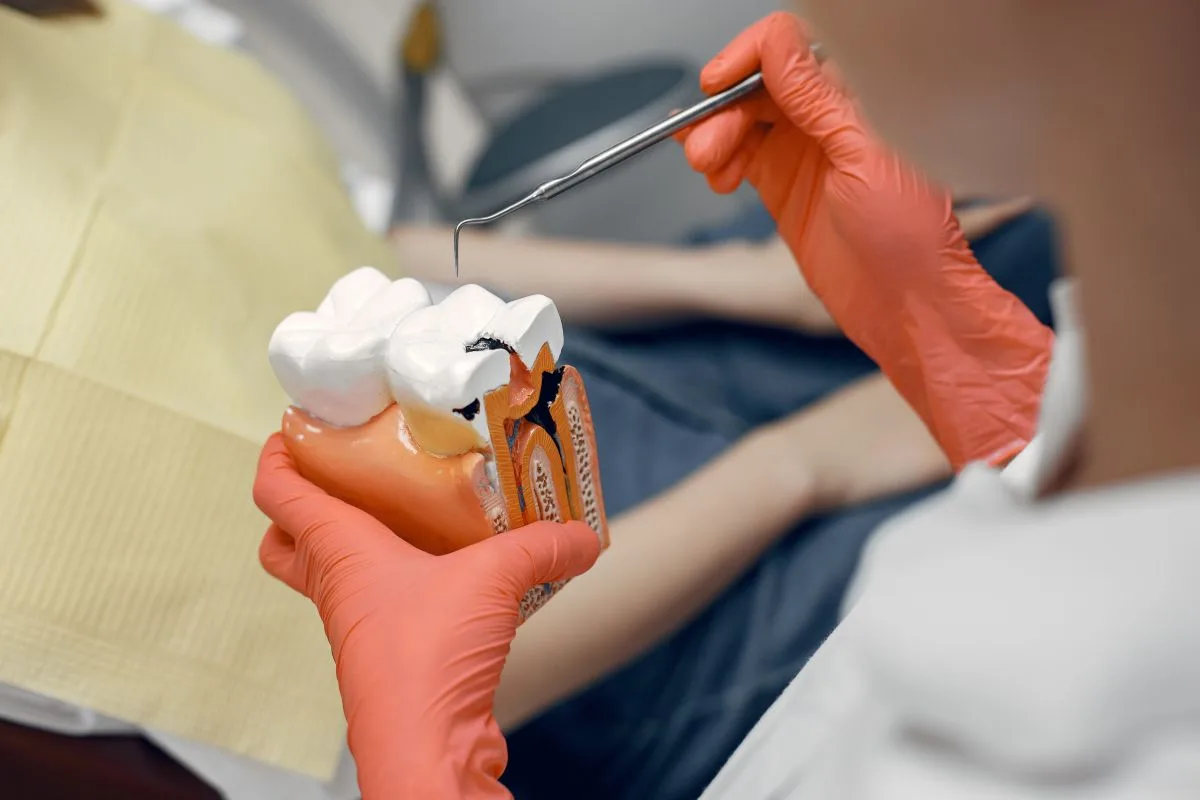
If demineralization happens repeatedly, without sufficient time or resources for repair, the enamel surface progressively weakens. Initially, this might appear as a “”white spot lesion”” – a chalky, opaque area on the tooth that indicates subsurface mineral loss. At this stage, the surface enamel might still be largely intact, but it’s compromised from within. If this demineralization continues unchecked, the weakened enamel structure eventually collapses, forming a physical hole or pit – what we commonly call a cavity (or dental caries).
Nature’s Repair Crew: The Power of Remineralization
Fortunately, our bodies have a natural defense and repair mechanism against these acid attacks: remineralization. This is the process where lost minerals (calcium and phosphate) are redeposited back into the enamel, repairing and strengthening the demineralized areas. Saliva plays a crucial role in this:
- Buffering Acids: Saliva helps neutralize the acids produced by plaque bacteria, raising the pH in the mouth back towards a safer level.
- Rich in Minerals: Saliva is supersaturated with calcium and phosphate ions, the very building blocks of enamel.
- Cleansing Action: It helps wash away food debris and some bacteria.
When conditions are favorable (i.e., acid attacks are infrequent and saliva has ample opportunity to work), remineralization can keep pace with demineralization, maintaining enamel integrity. A cavity forms when the demineralization process consistently overpowers the remineralization process over time.
Don't Delay Your Treatment
Let's create your personalised treatment plan right away with a complimentary consultation with our specialist dentists.
The Reversal Window: Early Stage Demineralization Only
This is the critical point: **cavity reversal is only possible in the very early stages of demineralization, specifically when the damage is limited to enamel and a physical cavity (hole) has not yet formed.** Those initial “”white spot lesions”” are often the prime candidates for remineralization and potential reversal.
Once the enamel surface has broken down and a distinct pit or hole has formed – a true cavitated lesion – the damage is generally considered irreversible through natural means alone. At this point, the structural integrity of the tooth is compromised, bacteria have invaded deeper, and the lost tooth structure cannot regrow. This is when restorative dental treatment, such as dental fillings, becomes necessary to remove the decayed tissue and restore the tooth’s form and function. If decay progresses further, it can infect the pulp, potentially requiring more complex procedures like endodontics (root canal therapy).
So, “”reversing a cavity”” really means arresting and remineralizing an incipient lesion before it becomes a full-blown cavity that needs a filling.
Fluoride: The Supercharger of Remineralization
While saliva is the natural repair agent, fluoride is its powerful assistant, significantly enhancing the remineralization process and making enamel more resistant to future acid attacks:
- Boosts Mineral Uptake: Fluoride present in the oral environment (from toothpaste, water, or professional treatments) attracts calcium and phosphate ions from saliva to the demineralized enamel surface more effectively, speeding up the repair process.
- Forms Stronger Enamel (Fluorapatite): When fluoride is incorporated into the remineralizing enamel, it forms fluorapatite instead of just rebuilding the original hydroxyapatite. Fluorapatite is a more stable, less soluble crystal structure that is significantly more resistant to acid dissolution than hydroxyapatite. This “”upgraded”” enamel is better equipped to withstand future acid attacks.
- Inhibits Bacterial Metabolism (Minor Effect): Some studies suggest fluoride can also slightly interfere with the ability of plaque bacteria to produce acid.
This is why consistent topical fluoride exposure is a cornerstone of modern cavity prevention and the management of early demineralization.
Don't Delay Your Treatment
Let's create your personalised treatment plan right away with a complimentary consultation with our specialist dentists.
Strategies to Promote Remineralization and “”Reverse”” Early Lesions
If your dentist identifies an incipient lesion, they will likely recommend a combination of strategies to try and halt its progression and encourage remineralization:
1. Optimize Fluoride Exposure
- Use Fluoride Toothpaste: Brush twice daily with a toothpaste containing an adequate concentration of fluoride. This is the most consistent way to deliver topical fluoride.
- Consider Fluoride Mouth Rinse: An over-the-counter or prescription fluoride rinse can provide additional topical benefits, especially if you are at higher risk for cavities.
- Professional Fluoride Treatments: Your dentist may apply a concentrated fluoride varnish, gel, or foam in the office. These deliver a high dose of fluoride directly to the tooth surfaces, promoting significant remineralization. These are common in pediatric care through pedodontics, but also beneficial for adults at risk.
- Drink Fluoridated Water: If available in your community, this provides frequent, low-dose systemic and topical fluoride.
2. Enhance Oral Hygiene Practices
- Thorough Brushing: Ensure you’re brushing effectively twice a day for at least two minutes, paying attention to all tooth surfaces, especially near the gum line where plaque accumulates.
- Daily Flossing (or Interdental Cleaning): Plaque between teeth is a major cause of cavities. Removing it daily is crucial.
- Reduce Plaque-Causing Bacteria: Good hygiene physically removes bacteria. Some mouthwashes can also help reduce bacterial load, but shouldn’t replace mechanical cleaning.
3. Dietary Modifications
- Limit Sugary and Starchy Foods/Drinks: Reduce the frequency of consuming items that feed plaque bacteria. This means fewer acid attacks on your enamel.
- Avoid Frequent Snacking: Constant snacking, especially on fermentable carbohydrates, keeps the oral pH low for extended periods, promoting demineralization.
- Choose Teeth-Friendly Snacks: Opt for cheese, nuts, plain yogurt, and crunchy vegetables if you need to snack.
- Rinse with Water After Meals/Snacks: If you can’t brush immediately, rinsing with plain water helps neutralize acids and wash away food debris.
4. Stimulate Saliva Flow
- Stay Hydrated: Drink plenty of water throughout the day.
- Chew Sugar-Free Gum: Chewing sugar-free gum (especially those with xylitol) after meals can significantly increase saliva flow, aiding in acid neutralization and remineralization.
5. Regular Dental Check-ups and Monitoring
This is vital. Your dentist can:
- Identify incipient lesions at their earliest, most reversible stage using visual examination, explorers, and sometimes diagnostic aids like bitewing X-rays or laser fluorescence devices.
- Monitor these lesions over time to see if they are arresting, remineralizing, or progressing.
- Provide personalized advice and professional interventions.
- Perform professional cleanings to remove plaque and tartar that you can’t remove at home. Comprehensive preventive care is a cornerstone of effective general dentistry.
What About Other “”Natural”” Cavity Reversal Claims?
You might encounter claims online about reversing cavities with oil pulling, special diets alone (beyond reducing sugar), or various supplements. While a healthy diet is undoubtedly important for overall oral health and saliva quality, and reducing sugar intake is critical for *preventing* demineralization, **there is no robust scientific evidence to support claims that these methods alone can reverse established cavities or even reliably remineralize incipient lesions without the proven benefits of fluoride and meticulous plaque control.**
The scientifically validated mechanisms for reversing early demineralization revolve around reducing acid attacks (plaque control, diet modification) and enhancing mineral redeposition, with fluoride playing a key role in making this process more efficient and creating more acid-resistant enamel. When significant structural damage has occurred, requiring more extensive repair, modern prosthodontics may offer solutions, but the goal is always to prevent reaching that stage.
Conclusion: Prevention and Early Intervention are Key
So, can you reverse cavities? The answer is a conditional “”yes”” – but only in their very earliest, non-cavitated stages of enamel demineralization. Once a physical hole forms, the tooth structure is lost and cannot be naturally regenerated; professional restorative treatment is then required. The true power lies in understanding and supporting the natural remineralization process, significantly amplified by the judicious use of fluoride, excellent oral hygiene, and a tooth-friendly diet. Regular dental check-ups are essential for detecting these early warning signs when reversal is still possible.
Don't Delay Your Treatment
Let's create your personalised treatment plan right away with a complimentary consultation with our specialist dentists.
Focusing on preventing demineralization in the first place and actively promoting remineralization when early signs appear is the most effective strategy for maintaining a cavity-free smile. It’s a testament to the body’s remarkable ability to heal, especially when given the right support.
Partner with Genç Dental for Cavity Prevention and Early Detection
Understanding the science behind cavity formation and reversal empowers you to take control of your oral health. At Genç Dental, we are passionate about preventive dentistry and helping our patients maintain healthy, strong smiles for life. Our experienced team utilizes modern diagnostic tools to detect the earliest signs of demineralization, providing personalized advice and treatments to promote remineralization and prevent cavities from developing.
From professional fluoride applications and tailored hygiene plans to dietary counseling and regular monitoring, we offer comprehensive care designed to keep your teeth in their best condition. Don’t wait for a cavity to announce itself. Contact Genç Dental today to schedule your check-up and cleaning, and let us partner with you in the science-backed journey of cavity prevention and early intervention.