When we think of calcium, our minds often jump to strong bones and preventing osteoporosis. While absolutely vital for skeletal health, calcium’s role extends profoundly into our mouths, acting as a primary building block for our teeth and a key defender against the relentless attack of tooth decay. Alongside fluoride, calcium is a cornerstone mineral in maintaining the integrity of our tooth enamel, the hard, protective outer layer that shields teeth from the bacteria and acids responsible for cavities. Understanding how calcium works to fortify our teeth and how to ensure we’re getting enough is fundamental to a proactive approach to oral health.
Tooth decay, or dental caries, isn’t just a matter of sugar; it’s a dynamic process of demineralization (mineral loss) and remineralization (mineral repair). Calcium, readily available in our saliva and dietary sources, is at the forefront of this daily battle. Its presence helps to neutralize damaging acids, rebuild weakened enamel, and keep our smiles resilient. Let’s delve into the science of calcium’s protective mechanisms and explore how this essential mineral contributes to a lifetime of healthy, cavity-resistant teeth.
Don't Delay Your Treatment
Let's create your personalised treatment plan right away with a complimentary consultation with our specialist dentists.
Tooth Enamel: A Calcium-Rich Fortress
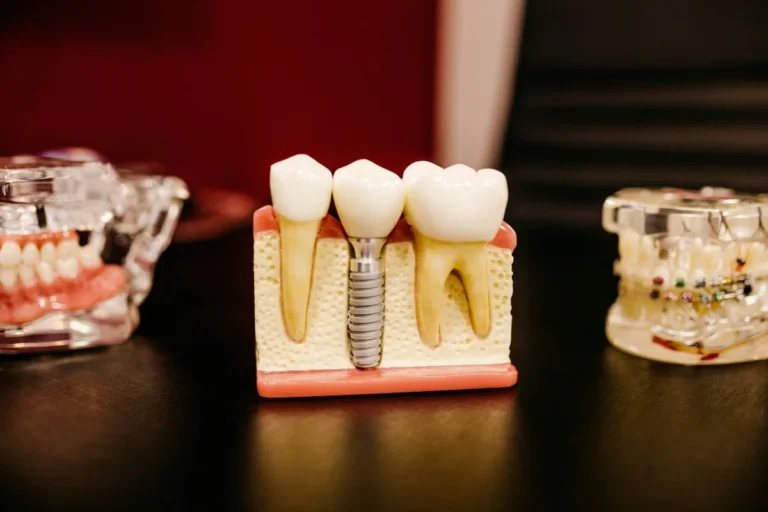
To appreciate calcium’s role, it’s essential to understand the composition of tooth enamel. Enamel is the hardest substance in the human body, even harder than bone. Approximately 96% of enamel by weight is made up of minerals, primarily in the form of hydroxyapatite crystals. Hydroxyapatite is a complex crystalline lattice composed mainly of calcium and phosphate ions, with hydroxyl groups also present.
Think of enamel as a microscopic, densely packed structure of these calcium-phosphate crystals. This robust, mineralized shield is what protects the softer, more sensitive inner layers of the tooth (dentin and pulp) from physical damage, temperature extremes, and, most importantly, from the acid attacks that lead to decay. The strength and resilience of this enamel fortress are directly dependent on its calcium and phosphate content and its ability to resist demineralization.
The Demineralization-Remineralization Cycle: Calcium’s Daily Battle
Our mouths are constantly engaged in a tug-of-war between forces that dissolve enamel minerals (demineralization) and forces that replenish them (remineralization).
- Demineralization: When we consume foods and drinks containing sugars or fermentable carbohydrates, bacteria in dental plaque metabolize these substances and produce acids (like lactic acid). If the pH in the mouth drops below a critical level (around 5.5 for enamel), these acids begin to dissolve the hydroxyapatite crystals, leaching calcium and phosphate ions out of the enamel. This is the initial step in cavity formation.
- Remineralization: Fortunately, our saliva is a natural superhero in this process. Saliva is supersaturated with calcium and phosphate ions. Between acid attacks, as the pH in the mouth returns to neutral, saliva bathes the teeth, allowing these dissolved calcium and phosphate ions to redeposit back into the partially demineralized enamel structure, repairing the microscopic damage.
A cavity develops when the rate and frequency of demineralization consistently exceed the capacity for remineralization over time. Calcium’s continuous availability, both within the enamel structure and in saliva, is therefore critical for tipping this balance in favour of repair and protection.

How Calcium Specifically Fights Tooth Decay
Calcium plays several direct and indirect roles in preventing cavities:
Don't Delay Your Treatment
Let's create your personalised treatment plan right away with a complimentary consultation with our specialist dentists.
1. Essential Building Block of Enamel
As the primary component of hydroxyapatite, calcium provides the fundamental structural integrity and hardness of tooth enamel. Sufficient calcium during tooth development is crucial for forming strong, well-mineralized enamel that is inherently more resistant to acid attacks from the outset. This early development is often monitored through pedodontics, ensuring children get a good start.
2. Fueling the Remineralization Process
Saliva’s ability to repair early enamel lesions (incipient caries or white spot lesions) is entirely dependent on having adequate concentrations of dissolved calcium and phosphate ions. When these ions are readily available in saliva, they can effectively deposit onto and into demineralized enamel, rebuilding the crystal structure and halting the progression of decay before a physical cavity forms.
3. Buffering Acids in Plaque
Some research suggests that calcium (and phosphate) present in plaque can act as a buffer, helping to neutralize acids produced by plaque bacteria. This can reduce the intensity and duration of the pH drop after sugar consumption, thereby lessening the demineralization challenge to the enamel.
4. Working Synergistically with Fluoride
Calcium and fluoride are a dynamic duo in oral health. Fluoride significantly enhances the remineralization process by:
- Attracting more calcium and phosphate ions to the demineralized tooth surface.
- Incorporating into the remineralized enamel to form fluorapatite, which is even more acid-resistant than the original hydroxyapatite.
This synergistic relationship means that having adequate calcium available in saliva makes fluoride’s protective actions even more effective. Without sufficient calcium (and phosphate), fluoride cannot work optimally to repair and strengthen enamel.
Don't Delay Your Treatment
Let's create your personalised treatment plan right away with a complimentary consultation with our specialist dentists.
5. Supporting Healthy Saliva Production
While not a direct role in enamel, overall health supported by adequate calcium contributes to healthy salivary gland function. Healthy saliva flow is critical for all the protective mechanisms mentioned above. Conditions or medications that reduce saliva (dry mouth) drastically increase cavity risk, partly by diminishing the availability of salivary calcium and phosphate.
Dietary Sources: Ensuring Adequate Calcium Intake for Your Teeth
Our bodies don’t produce calcium; we must obtain it through our diet. Ensuring consistent intake of calcium-rich foods is vital for both skeletal and dental health.
Excellent dietary sources of calcium include:
- Dairy Products: Milk, cheese, and yogurt are among the richest and most bioavailable sources of calcium. Cheese, in particular, has also been shown to stimulate saliva and may have additional anti-cavity properties.
- Leafy Green Vegetables: Kale, collard greens, spinach (though its oxalate content can slightly reduce calcium absorption), turnip greens, and bok choy are good plant-based sources.
- Fortified Foods: Many foods are now fortified with calcium, including some orange juices, plant-based milks (soy, almond, oat), cereals, and breads. Check labels.
- Canned Fish with Bones: Sardines and canned salmon (eaten with their soft, edible bones) are excellent sources.
- Nuts and Seeds: Almonds, chia seeds, and sesame seeds contain good amounts of calcium.
- Tofu and Edamame: Especially tofu made with calcium sulfate.
- Beans and Lentils: Offer moderate amounts of calcium along with other beneficial nutrients.
It’s also important to consider Vitamin D, as it plays a crucial role in calcium absorption. Sunlight exposure and foods like fatty fish, egg yolks, and fortified dairy products help ensure adequate Vitamin D levels.
If dietary intake is insufficient, especially in certain life stages or due to dietary restrictions, calcium supplements might be considered, but always in consultation with a doctor or registered dietitian. Maintaining strong teeth through diet and hygiene can prevent the need for dental fillings later on.
Don't Delay Your Treatment
Let's create your personalised treatment plan right away with a complimentary consultation with our specialist dentists.
Beyond Diet: Other Factors Influencing Calcium and Tooth Health
- Saliva Quality and Quantity: Conditions or medications that cause dry mouth (xerostomia) significantly reduce the protective buffering and remineralizing capacity of saliva, including its calcium content.
- Overall Systemic Health: Certain medical conditions or treatments can affect calcium metabolism or absorption, indirectly impacting dental health.
- Oral Hygiene: While calcium is vital, it cannot overcome the effects of poor oral hygiene. Consistent plaque removal through brushing and flossing is essential to reduce the acid attacks that deplete enamel calcium. This is a key component of general dentistry and preventive care.

What Happens When Calcium is Lacking or Enamel is Compromised?
Insufficient calcium availability, either due to poor dietary intake over time or factors that hinder its utilization in the mouth (like chronic dry mouth), can weaken enamel’s ability to withstand acid attacks and repair itself. This increases the susceptibility to:
- Increased Cavity Formation: Teeth demineralize more easily and remineralize less effectively.
- Enamel Hypoplasia (in developing teeth): Severe calcium deficiency during tooth formation can lead to defects in enamel quantity and quality, making teeth inherently weaker.
- Tooth Sensitivity: As enamel thins or demineralizes, the underlying dentin can become exposed, leading to sensitivity.
If decay does occur and progresses, it can lead to the need for various restorative treatments. If it reaches the tooth’s nerve, more complex procedures such as endodontics (root canal therapy) might be required to save the tooth. In severe cases where a tooth cannot be saved, replacement options such as dental implants become necessary to restore function and aesthetics.
Maximizing Calcium’s Protective Effects
To harness the full power of calcium for your teeth:
- Ensure Adequate Dietary Intake: Focus on consuming a variety of calcium-rich foods daily.
- Pair with Vitamin D: Get sufficient Vitamin D for optimal calcium absorption.
- Practice Excellent Oral Hygiene: Brush twice daily with fluoride toothpaste and floss daily to minimize acid-producing plaque.
- Limit Sugary and Acidic Foods/Drinks: Reduce the frequency of demineralization challenges.
- Stay Hydrated: Drink plenty of water to support saliva production.
- Chew Sugar-Free Gum After Meals: This stimulates saliva, which delivers calcium and phosphate for remineralization.
- Regular Dental Check-ups: Your dentist can assess your cavity risk, identify early signs of demineralization, and provide professional advice and preventive treatments.
Conclusion: Calcium – A Fundamental Mineral for a Resilient Smile
Calcium is much more than just a bone builder; it is an indispensable mineral for developing strong teeth and actively defending them against the daily onslaught of acids that cause tooth decay. As the primary component of enamel and a key player in the vital remineralization process facilitated by saliva, calcium works tirelessly to repair microscopic damage and keep our teeth robust. Its synergistic relationship with fluoride further amplifies its protective effects, creating a more acid-resistant tooth surface.
By ensuring adequate dietary calcium intake, practicing diligent oral hygiene, and maintaining regular dental visits, you empower this essential mineral to do its job effectively. A calcium-rich diet, combined with good oral care habits, is a powerful, natural strategy for preventing cavities and enjoying a lifetime of healthy, strong teeth.
Don't Delay Your Treatment
Let's create your personalised treatment plan right away with a complimentary consultation with our specialist dentists.
Fortify Your Smile with Genç Dental’s Preventive Approach
Understanding the vital role of minerals like calcium in your oral health is the first step towards a stronger, more resilient smile. At Genç Dental, we champion a preventive approach, educating our patients on the importance of nutrition, hygiene, and regular professional care. Our experienced team can assess your dietary habits, evaluate your cavity risk, and provide personalized guidance to help you optimize your oral health, including harnessing the benefits of calcium and fluoride.
From comprehensive check-ups and professional cleanings to advanced preventive treatments, we are dedicated to helping you and your family achieve and maintain optimal dental wellness. Contact Genç Dental today to schedule your appointment and let us partner with you in building a strong foundation for a lifetime of healthy smiles, well-supported by essential minerals like calcium.