For gums to bleed when brushing is an experience many of us have had: that tell-tale tinge of pink or red in the sink after brushing or flossing. It’s a common occurrence, so much so that some people might dismiss it as “normal” or simply a result of brushing too hard. However, while occasional, very minor irritation can happen, persistent or significant bleeding from your gums is decidedly not normal. In fact, it’s often one of the earliest and most noticeable warning signs of underlying gum inflammation, typically gingivitis, the initial stage of gum disease. Ignoring the tendency for your gums to bleed means ignoring a clear signal from your body that something is amiss in your oral health.
When gums to bleed is a concern, understanding why your gums might be bleeding is the first step towards addressing the issue and restoring them to health. Healthy gums are firm, pink, and form a tight seal around your teeth; they should not bleed with routine brushing or flossing. If your **gums to bleed** is a regular occurrence, it’s an indication that your gums are irritated and inflamed, likely due to an accumulation of bacterial plaque. Let’s explore the common causes of why **gums to bleed** happens, why it’s a concern, and what you can do to stop the bleeding and protect your smile.
Don't Delay Your Treatment
Let's create your personalised treatment plan right away with a complimentary consultation with our specialist dentists.
The Primary Culprit: Plaque Buildup and Gingivitis
In the vast majority of cases, bleeding gums are a direct result of **gingivitis**, the earliest and mildest form of periodontal (gum) disease. Here’s how it happens:
- Plaque Accumulation: Our mouths are constantly forming plaque – a sticky, almost invisible film of bacteria, food debris, and saliva – on our teeth, especially along the gumline.
- Bacterial Toxins: The bacteria in plaque produce toxins (poisons) that irritate the gum tissue.
- Inflammatory Response: Your body’s immune system responds to this bacterial irritation by sending more blood to the affected gum tissue, causing it to become inflamed. This inflammation is characterized by redness, swelling, tenderness, and an increased tendency to bleed easily upon slight provocation, like brushing or flossing.
Gingivitis is essentially your gums’ way of saying, “There’s too much bacteria here, and I’m under attack!” The good news is that gingivitis is often completely reversible with improved oral hygiene and professional dental care. However, if left unaddressed, the inflammation can progress, leading to more serious gum disease. Professional intervention for periodontal gum diseases becomes crucial if the condition advances.
Other Potential Causes of Bleeding Gums
While gingivitis is the leading cause, other factors can also contribute to or exacerbate bleeding gums:
- Aggressive Brushing or Flossing Technique: Using a hard-bristled toothbrush or brushing too vigorously can traumatize gum tissue, causing it to bleed. Similarly, snapping floss harshly against the gums instead of gently guiding it can cause irritation. Some people even develop receding gums which can make them more sensitive and potentially lead to the need for gum esthetics procedures to correct.
- New Oral Hygiene Routine: If you’ve recently started flossing for the first time or after a long break, you might experience some minor bleeding initially as your gums adjust and become healthier. This should subside within a week or two with consistent, gentle technique. If it persists, see your dentist.
- Medications: Certain medications can increase the risk of bleeding. Blood thinners (anticoagulants like warfarin or aspirin) directly affect clotting. Some other medications (like certain anticonvulsants, immunosuppressants, or calcium channel blockers) can cause gum overgrowth (gingival hyperplasia), making gums harder to clean and more prone to inflammation and bleeding.
- Hormonal Changes: Fluctuations in hormone levels, particularly during puberty, pregnancy (“pregnancy gingivitis”), and menopause, can make gums more sensitive and susceptible to inflammation and bleeding in response to plaque.
- Nutritional Deficiencies: Severe deficiency of Vitamin C (scurvy) can lead to weakened capillaries and bleeding gums. Vitamin K deficiency can also affect blood clotting. While rare in developed countries, poor overall nutrition can impact gum health.
- Smoking and Tobacco Use: Smoking impairs blood flow to the gums, hinders the immune response, and makes individuals much more susceptible to severe gum disease. While smokers might initially experience *less* bleeding (due to constricted blood vessels), the underlying disease is often more advanced.
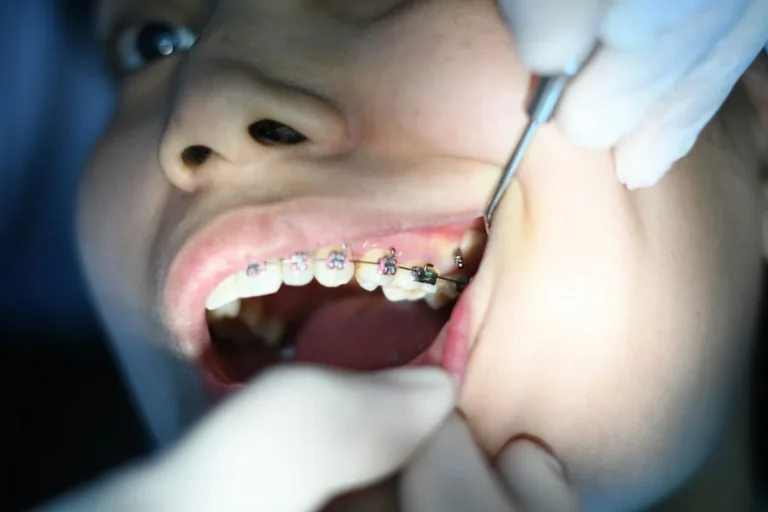
- Misaligned Teeth or Ill-Fitting Dental Appliances: Crooked teeth can be harder to clean, allowing plaque to accumulate. Poorly fitting dentures, bridges, or orthodontic appliances can irritate the gums and cause localized bleeding. Addressing alignment with orthodontic treatment can sometimes improve cleanability and gum health.
- Systemic Health Conditions: Certain diseases, like diabetes (especially if poorly controlled), leukemia, and other conditions affecting the immune system or blood clotting, can manifest with bleeding gums.
- Stress: Chronic stress can weaken the immune system, potentially making it harder for your body to fight off the bacteria that cause gum inflammation.
It’s important to note that even if one of these other factors is contributing, underlying plaque buildup often makes the situation worse. Your dentist can help determine the primary cause(s) of your bleeding gums.

Why You Shouldn’t Ignore Bleeding Gums
Dismissing bleeding gums as “normal” is a mistake because it allows the underlying problem to persist and potentially worsen. Here’s why it’s a concern:
Don't Delay Your Treatment
Let's create your personalised treatment plan right away with a complimentary consultation with our specialist dentists.
- Indicator of Inflammation/Infection: Bleeding is a sign that your gums are inflamed and fighting an infection caused by bacteria.
- Progression to Periodontitis: Untreated gingivitis can progress to periodontitis, a more severe form of gum disease. In periodontitis, the inflammation spreads deeper, destroying the tissues and bone that support your teeth. This can lead to:
- Gum recession (gums pulling away from teeth)
- Formation of deep pockets around teeth
- Loose teeth
- Eventual tooth loss
- Bad Breath (Halitosis): The bacteria responsible for gum inflammation also produce volatile sulfur compounds, leading to persistent bad breath.
- Links to Systemic Health: Growing research links chronic gum disease (periodontitis) to an increased risk of other health problems, including heart disease, stroke, diabetes complications, respiratory issues, and adverse pregnancy outcomes. The inflammation and bacteria from infected gums can enter the bloodstream and affect other parts of the body.
- Discomfort and Aesthetic Concerns: Chronically inflamed gums can be tender, sore, and look unsightly.
Treating bleeding gums early, when it’s likely just gingivitis, is much simpler, less invasive, and more effective than trying to manage advanced periodontitis. It’s an important aspect of overall general dentistry to address these early signs.
Taking Action: How to Stop Gums from Bleeding
If your gums are bleeding, the primary goal is to remove the plaque irritating them and allow them to heal. Here’s what you can do:
1. Level Up Your Oral Hygiene – Gently but Thoroughly
- Brush Twice Daily: Use a soft-bristled toothbrush and fluoride toothpaste. Angle the bristles at 45 degrees towards the gumline and use gentle, circular motions. Brush for at least two minutes, ensuring you clean all tooth surfaces and along the gum line. Don’t brush aggressively, as this can worsen irritation.
- Floss Daily: This is crucial for removing plaque from between teeth and under the gumline where your brush can’t reach. Gently guide the floss between teeth, curve it in a C-shape against each tooth, and slide it carefully beneath the gum line. If you’re new to flossing, expect some initial bleeding that should improve.
- Consider an Antiseptic Mouthwash: An over-the-counter antimicrobial or antiseptic mouthwash can help reduce bacteria and soothe inflamed gums, but it’s an adjunct to, not a replacement for, brushing and flossing. Ask your dentist for a recommendation.
It might seem counterintuitive to brush and floss areas that are bleeding, but gentle, thorough cleaning is exactly what’s needed to remove the irritants and allow healing.
2. Schedule a Professional Dental Cleaning and Check-up
This is essential. While good home care can manage gingivitis, hardened plaque (tartar or calculus) can only be removed by a dental professional using specialized instruments. During your visit:
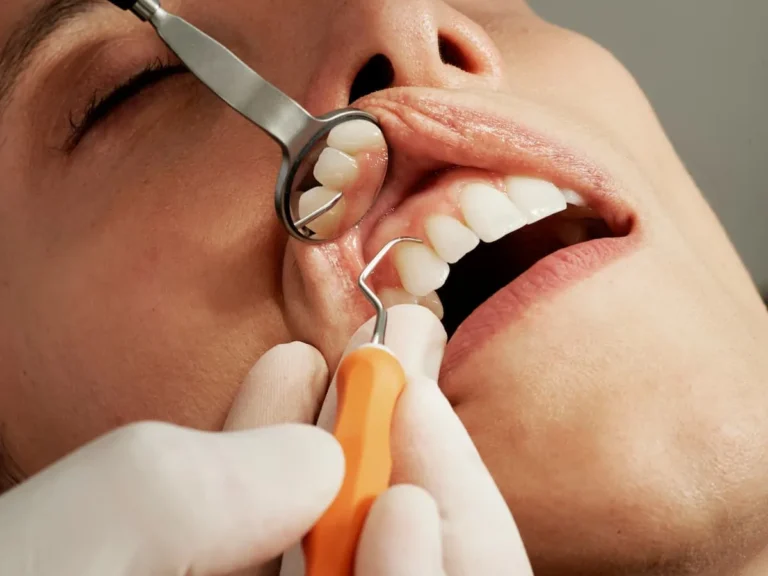
- Your dentist or hygienist will perform a thorough cleaning (prophylaxis) to remove all plaque and tartar.
- They will examine your gums, measure any periodontal pockets, and diagnose the cause and severity of the bleeding.
- They can provide personalized oral hygiene instructions and demonstrate proper techniques.
- If gingivitis is more advanced or periodontitis is suspected, they may recommend a deeper cleaning procedure called scaling and root planing.
Regular professional cleanings are key to preventing and treating bleeding gums. Catching issues early often means simpler and less invasive solutions, perhaps avoiding the need for more complex restorative work like dental fillings caused by decay near inflamed gums.
Don't Delay Your Treatment
Let's create your personalised treatment plan right away with a complimentary consultation with our specialist dentists.
3. Review Your Diet and Lifestyle
- Eat a Balanced Diet: A diet rich in vitamins and minerals, especially Vitamin C and K, supports gum health.
- Limit Sugary and Starchy Foods: These feed plaque bacteria.
- Stay Hydrated: Water helps rinse the mouth and supports saliva production.
- Quit Smoking: If you smoke, seek help to quit. This is one of the most impactful steps for improving gum health.
4. Manage Stress
If chronic stress is a factor, explore healthy stress-management techniques like exercise, meditation, or hobbies.

When to Be Extra Concerned
While any persistent gum bleeding warrants a dental visit, contact your dentist promptly if you experience:
- Heavy or prolonged bleeding
- Painful, very swollen gums
- Loose teeth
- Receding gums
- Pus around teeth and gums
- Fever along with bleeding gums
- Bleeding that doesn’t improve within 1-2 weeks of improved oral hygiene
These could be signs of more advanced gum disease or another underlying issue requiring immediate attention, potentially involving specialized periodontology care.
Conclusion: Healthy Gums Don’t Bleed
The bottom line is clear: bleeding gums are not normal and should not be ignored. They are a common sign of gum inflammation, usually gingivitis, caused by plaque buildup. By embracing a consistent and gentle oral hygiene routine, including thorough brushing and daily flossing, and by seeking regular professional dental cleanings and check-ups, you can effectively address the root cause of bleeding gums, reverse gingivitis, and prevent the progression to more serious periodontal disease.
Listen to your body’s signals. If you see pink in the sink, take it as a cue to step up your oral care and consult your dental professional. Protecting your gums is essential for maintaining your teeth, your overall health, and your confident smile.
Don't Delay Your Treatment
Let's create your personalised treatment plan right away with a complimentary consultation with our specialist dentists.
Address Bleeding Gums with Expert Care at Genç Dental
Noticing bleeding gums can be concerning, but it’s a sign that your body needs attention. At Genç Dental, our dedicated team is experienced in diagnosing and treating the causes of bleeding gums, from early gingivitis to more complex periodontal conditions. We provide thorough examinations, professional cleanings, and personalized guidance to help you restore your gum health and prevent future problems.
We believe in proactive care and patient education. Let us help you understand why your gums are bleeding and develop an effective plan to achieve and maintain healthy, non-bleeding gums. Contact Genç Dental today to schedule your comprehensive dental check-up. Take the first step towards a healthier smile and peace of mind.