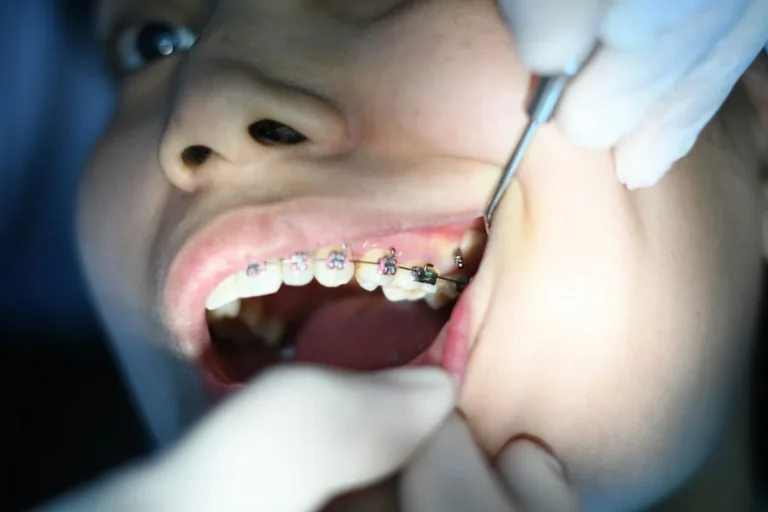
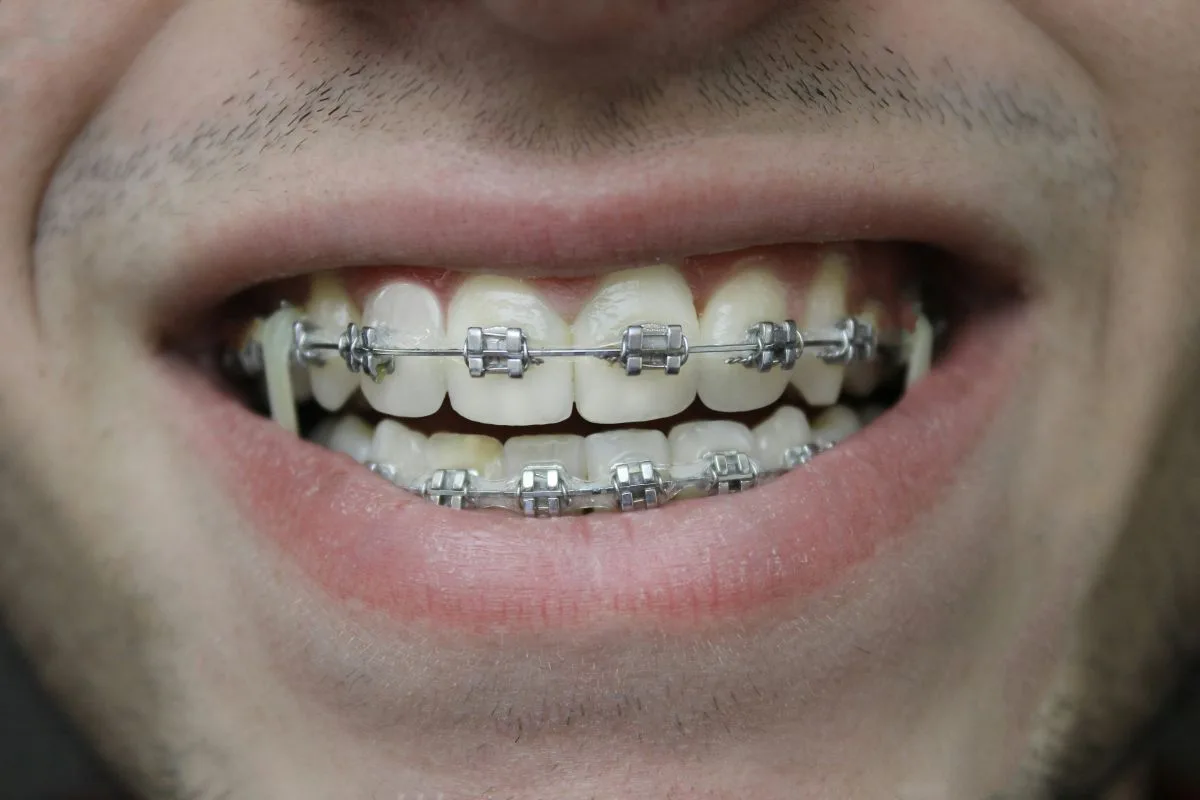
Embarking on orthodontic treatment with braces is an exciting step towards achieving a straighter, healthier, and more confident smile. Whether traditional metal braces, ceramic ones, or other fixed appliances, they work diligently to align your teeth and correct bite issues. However, the presence of brackets, wires, and bands also creates new challenges for oral hygiene. These intricate components provide numerous nooks and crannies where plaque bacteria and food particles can easily accumulate, significantly increasing the risk of cavities (dental caries), white spot lesions, and unsightly stains if not managed with meticulous care.
The success of your orthodontic journey isn’t just about achieving perfect alignment; it’s also about ensuring your teeth remain healthy and beautiful throughout the process and beyond. Preventing dental problems while wearing braces requires a dedicated commitment to an enhanced oral hygiene routine and some smart dietary choices. Understanding how to effectively clean around your braces and protect your enamel is paramount to unveiling a stunning, healthy smile when your braces finally come off. This guide provides essential tips and techniques for optimal oral care during your orthodontic treatment.
Don't Delay Your Treatment
Let's create your personalised treatment plan right away with a complimentary consultation with our specialist dentists.
Why Braces Demand Extra Oral Hygiene Attention
Orthodontic appliances, by their very nature, create a more complex oral environment. The brackets bonded to your teeth and the wires connecting them form physical barriers and ledges that:
- Trap Food Particles: Small bits of food easily get lodged in and around braces after every meal or snack.
- Promote Plaque Buildup: Plaque, the sticky biofilm of bacteria, thrives in these protected areas that are harder to reach with a standard toothbrush.
- Make Cleaning More Challenging: Navigating around wires and brackets requires more time, patience, and specialized tools than routine brushing and flossing.
If plaque is not effectively removed, the bacteria within it will metabolize sugars from your diet and produce acids. These acids attack the tooth enamel, leading to demineralization (loss of minerals). If this process continues unchecked, it can result in:
- Dental Cavities: Especially common around the edges of brackets or under loose bands.
- White Spot Lesions (Decalcification): These are early signs of enamel demineralization that appear as chalky white spots on the teeth, often visible once braces are removed. They can be permanent if not addressed.
- Gingivitis (Gum Inflammation): Plaque buildup along the gumline irritates the gums, causing them to become red, swollen, and prone to bleeding. This early stage of gum disease needs careful management to prevent progression.
- Staining: Certain foods and drinks, combined with plaque, can cause discoloration around brackets if cleaning is inadequate.
The investment in beautiful, straight teeth through orthodontic treatment deserves to be protected by diligent care.
Your Braces Care Toolkit: Essential Oral Hygiene Aids
Standard brushing and flossing techniques need some modification when you have braces. Arming yourself with the right tools is the first step:
- Orthodontic Toothbrush: These often have “V-shaped” bristles designed to clean effectively above and below brackets and wires. A soft-bristled manual toothbrush or an electric toothbrush with a small, oscillating head can also be effective.
- Interdental Brush (Proxabrush): A small, cone-shaped or cylindrical brush designed to clean between teeth, under wires, and around brackets where toothbrush bristles can’t easily reach. Indispensable for brace wearers.
- Floss Threaders or Orthodontic Floss: Flossing with braces requires getting the floss under the archwire. A floss threader is a stiff but flexible plastic needle that helps guide regular floss under the wire. Alternatively, orthodontic floss (e.g., Super Floss) has a stiffened end for easier threading.
- Fluoride Toothpaste: Essential for strengthening enamel and helping to prevent cavities.
- Fluoride Mouth Rinse (Optional but Recommended): An antimicrobial or fluoride mouth rinse can provide an extra layer of protection by reaching areas that might be missed and helping to control bacteria. Ask your orthodontist or dentist for a recommendation.
- Water Flosser/Oral Irrigator (Optional Adjunct): While not a replacement for traditional flossing, a water flosser can be very helpful for dislodging food particles from around braces and stimulating gums.
- Orthodontic Wax: Useful for covering any brackets or wires that might be causing irritation to your cheeks or lips, especially when braces are new.
The Braces Cleaning Playbook: Step-by-Step Guide
Meticulous cleaning needs to become a non-negotiable part of your daily routine, ideally after every meal or at least twice a day (morning and before bed).
Don't Delay Your Treatment
Let's create your personalised treatment plan right away with a complimentary consultation with our specialist dentists.
1. Brushing with Braces (Allow 3-5 Minutes)
- Rinse First: Vigorously swish water around your mouth to dislodge any loose food particles.
- Brush Around Brackets:
- Angle your toothbrush (manual or electric) at 45 degrees towards the gumline, above the brackets, and use gentle, circular motions to clean along the gum line and the tooth surface between the gums and the brackets.
- Then, angle the brush downwards from above the brackets to clean the top surfaces of the brackets and the tooth structure just above them.
- Finally, angle the brush upwards from below the brackets to clean the bottom surfaces of the brackets and the tooth structure just below them.
- Clean Each Tooth Individually: Spend about 10 seconds on each tooth, ensuring all surfaces are addressed. Don’t forget the chewing surfaces and the inner (tongue-side) surfaces.
- Use Your Interdental Brush: Carefully insert the interdental brush under the archwire between each bracket to clean the sides of the brackets and the tooth surfaces that are hard to reach with your main toothbrush. Rinse the brush frequently.
2. Flossing with Braces (Can Be Time-Consuming but is Crucial)
Flossing with braces takes patience but is vital for preventing interproximal (between-teeth) cavities and gum disease.
- Thread the Floss: Use a floss threader to guide a piece of floss (about 18 inches) under the main archwire between two teeth. Alternatively, use orthodontic floss with a stiffened end.
- Gentle Sawing Motion: Once under the wire, gently work the floss between the two teeth using an up-and-down or gentle sawing motion.
- Curve Against Each Tooth: Form a “C” shape with the floss around one tooth, sliding it carefully just beneath the gum line. Rub up and down a few times. Repeat on the adjacent tooth.
- Remove and Repeat: Carefully remove the floss and re-thread for the next set of teeth. Repeat for all teeth.
This process can be tedious initially, but with practice, it becomes quicker. Consider doing it once a day thoroughly, perhaps in the evening when you have more time. If significant gum inflammation occurs, managing it might involve specific periodontal gum diseases treatments alongside your orthodontic care.
3. Rinsing (Optional Final Step)
After thorough brushing and flossing, you can use a fluoride mouth rinse as recommended by your orthodontist or dentist to provide extra protection.
Dietary Discipline: Eating Smart with Braces
What you eat (and don’t eat) plays a significant role in preventing problems while wearing braces:
- AVOID Hard Foods: Nuts, hard candies, ice, popcorn (unpopped kernels), hard pretzels, and hard bread crusts can bend wires, break brackets, or loosen bands.
- AVOID Sticky/Chewy Foods: Caramels, taffy, gummy candies, and very chewy breads can get stuck in braces, pull on appliances, and are difficult to clean off, promoting decay.
- CUT UP Firm Foods: Instead of biting directly into hard fruits like apples or raw carrots, cut them into small, bite-sized pieces. The same goes for corn on the cob (cut it off the cob).
- Limit Sugary Foods and Drinks: Sodas, sports drinks, excessive sweets, and frequent snacking on sugary items significantly increase your risk of cavities and white spot lesions. If you do indulge, brush your teeth as soon as possible afterward.
- Choose Softer, Healthier Options: Focus on softer foods like yogurt, cheese, pasta, cooked vegetables, soft fruits, fish, and tender meats.
Being mindful of your diet not only protects your braces from damage (avoiding extra repair visits) but also minimizes the fuel available for cavity-causing bacteria. Damaged braces or persistent decay might even necessitate removal of braces and placement of temporary solutions like dental fillings before orthodontic work can resume.
Don't Delay Your Treatment
Let's create your personalised treatment plan right away with a complimentary consultation with our specialist dentists.
Regular Orthodontic and Dental Visits are Non-Negotiable
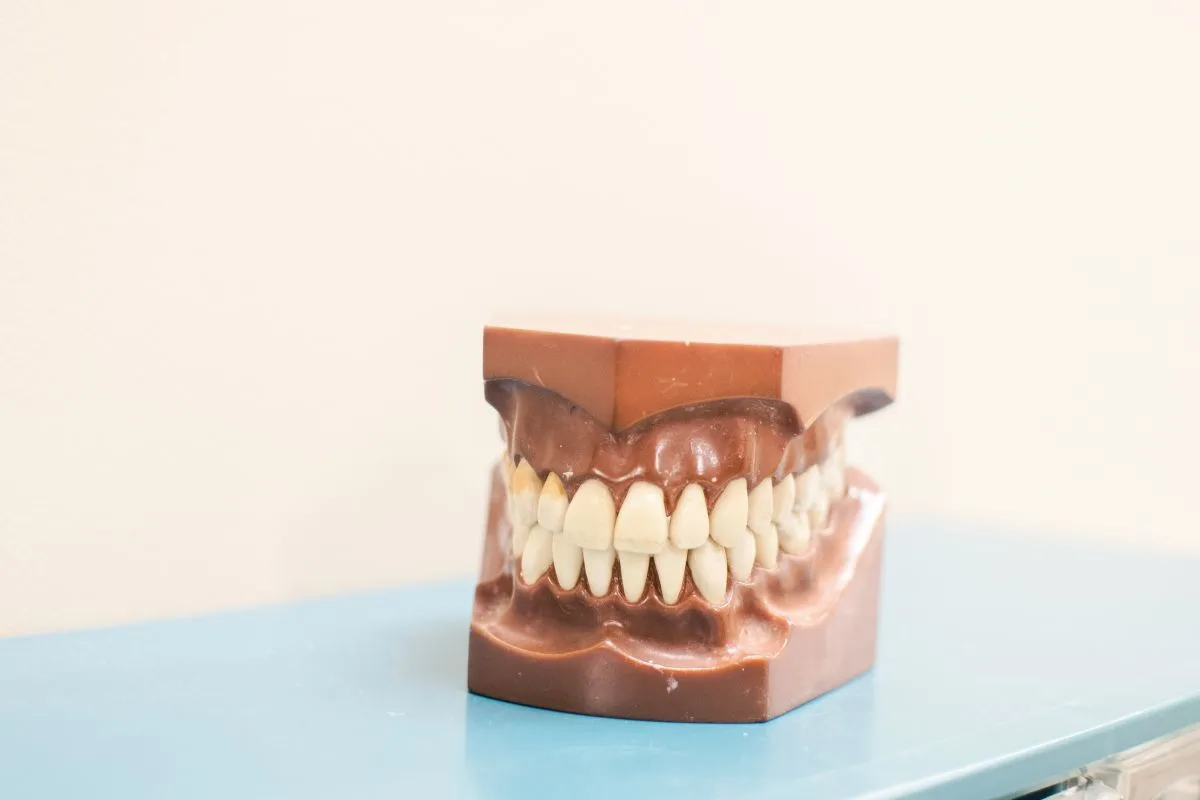
Throughout your orthodontic treatment, you will have regular appointments with your orthodontist for adjustments. These are also opportunities for them to check your oral hygiene and the health of your teeth and gums.
It’s equally important to continue seeing your regular family dentist for routine check-ups and professional cleanings, typically every 6 months, or possibly more frequently if recommended while you have braces. Your dentist can perform thorough cleanings in ways that are difficult with braces on and can detect any early signs of cavities or gum issues that might be developing. They can also provide professional fluoride treatments for extra protection. Sometimes, more specific esthetic concerns around the gums can be identified, which might be addressed with procedures related to gum esthetics after braces are removed.
After Braces: Maintaining Your Healthy, Straight Smile
The day your braces come off is a moment of celebration! However, oral care doesn’t stop there. To maintain your newly straightened smile and the health of your teeth:
- Wear Your Retainer as Prescribed: This is crucial to prevent teeth from shifting back to their original positions.
- Continue Excellent Oral Hygiene: Brushing and flossing are still essential, even though they’re easier without braces.
- Schedule a Professional Cleaning and Check-up: A thorough cleaning after braces removal helps remove any residual plaque or calculus and allows your dentist to assess the health of your enamel.
- Consider Whitening (If Desired): Some patients opt for professional teeth whitening after braces to enhance their new smile, once any potential sensitivity has subsided.
Conclusion: Your Diligence Determines Your Outcome
Wearing braces is a significant commitment, and achieving the best possible outcome – a beautifully straight *and* healthy smile – requires a dedicated partnership between you and your orthodontic team. While braces create challenges for oral hygiene, these can be successfully overcome with the right tools, techniques, and consistent effort. Meticulous brushing and flossing, smart dietary choices, and regular professional dental and orthodontic visits are your best defenses against cavities, white spots, and stains during your treatment.
The extra effort you put into caring for your teeth with braces will be well worth it when you see your stunning, healthy, and perfectly aligned smile at the end of your orthodontic journey. Protect your investment and set the stage for a lifetime of confident smiles.
Don't Delay Your Treatment
Let's create your personalised treatment plan right away with a complimentary consultation with our specialist dentists.
Expert Orthodontic Care and Guidance at Genç Dental
Embarking on orthodontic treatment is a journey towards a healthier, more confident smile. At Genç Dental, our experienced orthodontic team provides comprehensive care, from initial consultation and treatment planning to ongoing support and guidance on how to best care for your braces. We are committed to helping our patients achieve not only beautifully aligned teeth but also optimal oral health throughout their treatment and beyond.
If you’re considering braces or need advice on caring for your current orthodontic appliances, we are here to help. We’ll equip you with the knowledge and tools you need to prevent cavities and stains, ensuring your final result is a smile you’re proud to show off. Contact Genç Dental today to schedule your orthodontic consultation or your next check-up.