
Welcome to our Root Canal Treatment Guide where we will be exploring root canal treatment and how it saves your teeth. Endodontics is a branch of dentistry that deals with the diagnosis and treatment of dental pulp and the tissues around the root of a tooth. Root canal treatment or endodontic therapy is a common procedure done by endodontists to remove infected or damaged pulp from the tooth so it won’t get extracted.
What is Endodontics?
Endodontics is derived from the Greek words “endo” meaning inside and “odont” meaning tooth. It is the branch of dentistry that deals with the study and treatment of dental pulp and the tissues around the root of the teeth. The dental pulp is located in the center of the tooth and contains nerves, blood vessels and connective tissue. Endodontists are dental specialists who have additional training beyond dental school to become experts in diagnosing and treating diseases and injuries of the dental pulp.
Don't Delay Your Treatment
Let's create your personalised treatment plan right away with a complimentary consultation with our specialist dentists.
When do you need a Root Canal
Here are the signs:
- Severe toothache: Persistent and intense tooth pain when you bite or apply pressure can be a sign of infected or inflamed pulp.
- Sensitivity to hot and cold: Sensitivity to hot or cold even after the stimulus is removed may need a root canal.
- Swelling and tenderness: Swelling and tenderness in the gums around the tooth can be a sign of infection.
- Discoloration: Darkening or discoloration of the tooth means the pulp is damaged or dead.
If you have any of these symptoms, see an endodontist to evaluate your condition and determine if you need a root canal.
Root Canal Procedure
The root canal procedure is a multi-step process of removing the infected or damaged pulp from the tooth and sealing the root canal system to prevent re-infection. Here’s a step by step breakdown of the root canal procedure:
1. Examination and Treatment Planning
The first step of the root canal procedure is an examination and diagnosis by an endodontist. They will examine the tooth and surrounding tissues using various diagnostic tools like X-rays and tests to determine the extent of the infection or damage.
Based on the diagnosis, the endodontist will create a treatment plan for you. In some cases, a root canal may not be needed and other treatments may be recommended.
Don't Delay Your Treatment
Let's create your personalised treatment plan right away with a complimentary consultation with our specialist dentists.
2. Local Anesthesia
Before the procedure, the endodontist will administer local anesthesia to numb the area around the tooth. This will make you comfortable and pain-free during the treatment.
3. Access and Removal of Infected Pulp
Once numb, the endodontist will create a small access hole in the tooth to reach the infected or damaged pulp. Specialized instruments will then be used to remove the pulp from the root canals.
The root canals are thoroughly cleaned and shaped to remove all bacteria and debris. This step is crucial to prevent re-infection and healing.
4. Filling and Sealing the Root Canals
After the root canals are cleaned and shaped, they are filled with a biocompatible material called gutta-percha. This material seals the canals and prevent bacteria from entering the tooth.
In some cases, the endodontist may place a temporary filling to protect the tooth until a permanent restoration, such as a dental crown can be placed.
Don't Delay Your Treatment
Let's create your personalised treatment plan right away with a complimentary consultation with our specialist dentists.
5. Restoration of the Tooth
After the root canal treatment is done, the tooth will need a permanent restoration to restore its strength and function. This usually involves placing a dental crown which provides protection and support to the treated tooth.
The dental crown is custom made to match the shape and color of your natural teeth for a natural and beautiful result.
Root Canal Benefits
Root canal treatment has many benefits that’s why it’s the preferred choice for teeth with infected or damaged pulp. Here are some of the advantages:
1) Pain Relief
One of the biggest benefit of root canal treatment is pain relief. By removing the infected or damaged pulp, the source of the pain is gone and you’ll get instant relief.
2) Preservation of Natural Teeth
Root canal treatment allows you to preserve your natural teeth which are priceless for proper chewing, speaking and maintaining the alignment of surrounding teeth. Saving your natural teeth also helps to maintain the natural look of your smile.
Don't Delay Your Treatment
Let's create your personalised treatment plan right away with a complimentary consultation with our specialist dentists.
3) Efficient Chewing and Speaking
By saving your natural teeth through root canal treatment, you can continue to chew and speak efficiently. Unlike tooth extraction which may require replacement options like dental implants or bridges, root canal allows you to keep your original teeth.
4) Prevention of Further Infections
Root canal treatment removes the infected pulp and seals the root canals to prevent further infection to the surrounding tissues. This helps to protect your overall oral health and prevent more dental procedures in the future.
Aftercare and Maintenance
After the root canal treatment, it’s important to follow aftercare instructions to ensure optimal healing and long-term results. Here are some aftercare tips:
1. Take Medications
Take the medications prescribed by your endodontist, such as antibiotics or pain relievers. These medications will control infection and manage the discomfort during the healing process.
2. Good Oral Hygiene
Follow a regular oral hygiene routine by brushing your teeth twice a day and flossing daily. This will keep your teeth and gums healthy and reduce the risk of re-infection.
Don't Delay Your Treatment
Let's create your personalised treatment plan right away with a complimentary consultation with our specialist dentists.
3. Avoid Chewing on Hard Foods
Avoid chewing on hard or sticky foods after the root canal treatment. Opt for softer foods and gradually introduce harder foods as advised by your endodontist.
4. Follow-up Appointments
Attend all scheduled follow-up appointments with your endodontist. These visits will allow them to check on your healing and ensure the success of the root canal treatment.
Root Canal Myths
Root canals have a bad reputation of being painful and uncomfortable thus many misconceptions. Let’s bust some common myths about root canal treatment:
Myth 1: Root Canals are Painful
Root canal treatment is not painful. With the use of local anesthesia, you won’t feel any pain during the procedure. In fact, root canal treatment is done to relieve tooth pain caused by infected or damaged pulp.
Myth 2: Root Canals Cause Disease
There is no scientific evidence to back up the claim that root canals cause disease in other parts of the body. Root canal treatment is a safe procedure that removes infection and saves the tooth.
Don't Delay Your Treatment
Let's create your personalised treatment plan right away with a complimentary consultation with our specialist dentists.
Myth 3: Extraction is Better
While extraction may seem like the easier option, it’s not always the best. Saving your natural tooth through root canal treatment is better as you can maintain proper oral function and aesthetics.
Root Canal Alternatives
In some cases, root canal may not be the best option. Here are some alternative treatments:
1. Extraction
If the tooth is badly damaged or the infection is severe, extraction may be needed. But consider the long term consequences of tooth loss and discuss replacement options with your dentist.
2. Dental Implants
Dental implants are a popular option for missing teeth. It involves the surgical placement of an artificial tooth root into the jawbone which provides a stable base for a dental crown.

3. Bridge
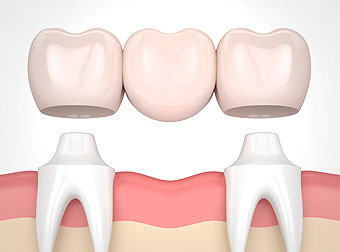
A dental bridge is a fixed restoration that replaces one or more missing teeth. It’s a false tooth (pontic) held in place by dental crowns on the adjacent teeth.
Don't Delay Your Treatment
Let's create your personalised treatment plan right away with a complimentary consultation with our specialist dentists.
Choosing the Right Endodontist
When it comes to root canal treatment, choosing the right endodontist is key to success. Here are some things to consider when selecting an endodontist:
Experience and Expertise
Look for an endodontist who has years of experience and specialized training in root canal procedures. They should be up to date with the latest in endodontics and uses state of the art equipment.
Reputation and Reviews
Read reviews and testimonials from previous patients to get an idea of the endodontist’s reputation. Positive feedback and recommendations will give you confidence in their skills.
Comfort and Communication
Choose an endodontist who puts patient comfort first and communicates well. A caring and understanding approach will ease any anxiety or concerns you may have about the procedure.
Root Canal Cost
The cost of root canal treatment varies depending on the complexity of the case, the tooth location and the location of the dental practice. Best to consult with your endodontist to get an exact quote.
Don't Delay Your Treatment
Let's create your personalised treatment plan right away with a complimentary consultation with our specialist dentists.
Root Canal Success Rate
Root canal procedures have high success rate with studies showing success rate of 85% to 97%. Success of the treatment depends on proper diagnosis, thorough cleaning of the root canals and proper restoration of the tooth.
Regular dental check ups and good oral hygiene practices are key to long term success of root canal treatment.
We hope this guide has been helpful in giving you an idea of endodontics and how root canal treatment can save your teeth. Remember early detection and timely treatment is key to saving your natural teeth and a healthy smile. If you think you need a root canal don’t hesitate to consult an experienced endodontist who can guide you through the process and restore your oral health.
Ready to Save Your Smile with Genç Dental?
Looking to save your teeth with root canal treatment? Look no further than Genç Dental®. Our oral health polyclinic which has been providing top quality dental services locally and internationally since 2015 has specialist physicians for every dental need. Trust our academically inclined doctors who are always up to date with the latest in dental technology. Contact us today at Genç Dental® to get started with a healthier smile.