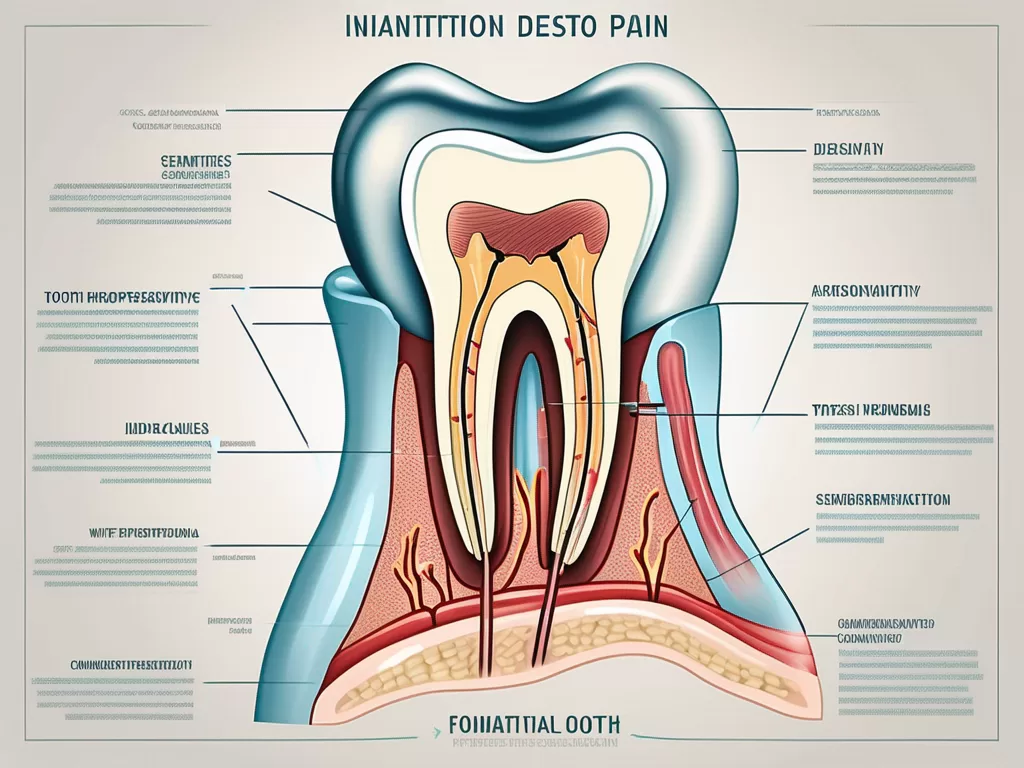
Tooth pain can be an uncomfortable and distressing experience, often indicating underlying dental issues that require attention. Understanding the various types of tooth pain can help individuals identify the source of their discomfort and seek appropriate treatment. This guide delves into the different types of tooth pain, what they signify, and how to manage them effectively.
Sharp Pain
Sharp pain in the teeth is often sudden and intense, typically signaling an acute issue such as a cavity or a cracked tooth. This type of pain can be triggered by various stimuli, including temperature changes or pressure. When a tooth is compromised, the nerves within can become exposed, leading to sharp sensations that can be quite alarming.
Don't Delay Your Treatment
Let's create your personalised treatment plan right away with a complimentary consultation with our specialist dentists.
In many cases, sharp pain may also indicate an infection or abscess. If the pain persists, it is crucial to consult a dentist promptly. They can perform a thorough examination, possibly including X-rays, to determine the exact cause of the pain and recommend appropriate treatment options, which may include fillings, root canals, or extractions.
Identifying Triggers
Understanding what triggers sharp pain can be beneficial. For instance, consuming hot or cold beverages may exacerbate the discomfort. Keeping a diary of when the pain occurs and what activities precede it can provide valuable insights for your dental professional.
Home Remedies
While waiting for a dental appointment, some home remedies may provide temporary relief. Over-the-counter pain relievers, such as ibuprofen or acetaminophen, can help manage the pain. Additionally, rinsing with warm salt water may reduce inflammation and provide comfort.
Dull Ache
A dull ache is often a more persistent form of tooth pain that can be less intense than sharp pain but can still be bothersome. This type of discomfort may be associated with issues such as tooth decay, gum disease, or even bruxism (teeth grinding). The ache can be constant or intermittent, often worsening at night or during periods of stress.
It is essential to address dull aches promptly, as they can indicate a developing problem that may require intervention. Regular dental check-ups can help catch issues early, preventing them from escalating into more severe conditions.
Don't Delay Your Treatment
Let's create your personalised treatment plan right away with a complimentary consultation with our specialist dentists.
Possible Causes
Several factors can contribute to a dull ache in the teeth. For instance, untreated cavities can lead to deeper decay, causing discomfort. Additionally, gum disease can result in inflammation and pain in the surrounding tissues, leading to a dull, throbbing sensation.
When to Seek Help
If a dull ache persists for more than a few days, it is advisable to consult a dentist. They can evaluate your oral health and recommend treatments such as fillings, deep cleanings, or other interventions to alleviate the pain.
Throbbing Pain
Throbbing pain is often rhythmic and can feel like a pulsing sensation in the affected tooth. This type of pain is frequently associated with dental infections or abscesses, where pressure builds up in the tooth or surrounding tissues. Throbbing pain can be particularly distressing, often interfering with daily activities and sleep.
In many cases, throbbing pain indicates that the nerve inside the tooth is inflamed or infected. This condition requires immediate attention, as it can lead to more severe complications if left untreated. A dentist may recommend a root canal or extraction, depending on the severity of the infection.
Symptoms to Watch For
Along with throbbing pain, other symptoms may accompany this type of discomfort, such as swelling in the gums, fever, or a bad taste in the mouth. Recognizing these signs can help you communicate effectively with your dental provider and expedite treatment.
Don't Delay Your Treatment
Let's create your personalised treatment plan right away with a complimentary consultation with our specialist dentists.
Managing Throbbing Pain
While waiting for professional care, applying a cold compress to the outside of the cheek can help reduce swelling and numb the pain. Additionally, over-the-counter pain medications can provide temporary relief until you can see a dentist.
Sensitivity to Hot/Cold
Tooth sensitivity to hot or cold stimuli is a common issue that many people experience. This sensitivity can range from mild discomfort to sharp pain when consuming hot beverages or cold foods. The underlying causes of this sensitivity can vary, including enamel erosion, gum recession, or cavities.
When the protective layers of the teeth are compromised, the nerves inside can become more exposed, leading to heightened sensitivity. Identifying the specific triggers can help in managing this discomfort effectively.
Common Causes of Sensitivity
Enamel erosion is a significant contributor to tooth sensitivity. Factors such as acidic foods, aggressive brushing, or grinding can wear down enamel, exposing the dentin layer beneath. Gum recession, where the gums pull away from the teeth, can also expose sensitive areas, leading to discomfort.
Strategies for Relief
To manage sensitivity, consider using toothpaste specifically designed for sensitive teeth. These products contain compounds that help block pain signals from reaching the nerve. Additionally, avoiding extreme temperatures in food and drinks can help minimize discomfort.
Don't Delay Your Treatment
Let's create your personalised treatment plan right away with a complimentary consultation with our specialist dentists.
Pain When Chewing
Pain when chewing can be a frustrating experience, often indicating issues with the teeth, gums, or jaw. This type of pain can arise from various conditions, including cavities, cracked teeth, or even temporomandibular joint (TMJ) disorders. The discomfort may be localized to one tooth or felt throughout the jaw.
When chewing exacerbates the pain, it is essential to evaluate the situation carefully. Ignoring this symptom can lead to further complications, including worsening dental issues or chronic pain conditions.
Potential Dental Issues
Common dental problems that can cause pain while chewing include tooth decay, which can weaken the structure of a tooth, and cracked teeth, which may become more painful under pressure. Additionally, gum disease can lead to inflammation and pain when biting down.
Consulting a Professional
If you experience pain while chewing, it is advisable to schedule an appointment with a dentist. They can conduct a thorough examination to identify the root cause and recommend appropriate treatments, such as fillings, crowns, or periodontal therapy.
Gum Pain
Pain in the gums can be a sign of various dental issues, including gum disease, infections, or even allergic reactions to dental products. This type of pain can manifest as tenderness, swelling, or bleeding, often indicating inflammation in the gum tissues.
Don't Delay Your Treatment
Let's create your personalised treatment plan right away with a complimentary consultation with our specialist dentists.
Gum pain should not be overlooked, as it can lead to more severe conditions if left untreated. Regular dental hygiene practices, including brushing and flossing, can help maintain gum health and prevent discomfort.
Understanding Gum Disease
Gum disease, or periodontal disease, is a common cause of gum pain. It begins with gingivitis, characterized by inflammation and bleeding of the gums. If not addressed, it can progress to periodontitis, which can lead to tooth loss and other serious health issues.
Home Care and Prevention
To alleviate gum pain, maintaining good oral hygiene is essential. Rinsing with warm salt water can help reduce inflammation, while over-the-counter pain relievers can provide temporary relief. If gum pain persists, it is crucial to consult a dentist for a comprehensive evaluation and treatment plan.

Radiating Pain
Radiating pain refers to discomfort that spreads from one area to another, often making it challenging to pinpoint the exact source. This type of pain can occur in the jaw, neck, or even the ear, and may be associated with dental issues or other medical conditions.
Radiating pain can be particularly concerning, as it may indicate a more serious underlying problem, such as a dental abscess or even heart-related issues. Understanding the nature of the pain and accompanying symptoms is crucial for effective diagnosis and treatment.
Don't Delay Your Treatment
Let's create your personalised treatment plan right away with a complimentary consultation with our specialist dentists.
Possible Causes of Radiating Pain
Dental abscesses are a common cause of radiating pain, as the infection can affect surrounding tissues and nerves. Additionally, conditions such as TMJ disorders can lead to discomfort that radiates throughout the jaw and neck. It is essential to consider other symptoms, such as swelling or fever, which may indicate a more severe issue.
When to Seek Medical Attention
If you experience radiating pain, especially if accompanied by other concerning symptoms, it is vital to seek medical attention promptly. A dentist or healthcare provider can perform a thorough evaluation and determine the appropriate course of action.
Pain from Sinus Issues
Sinus issues can often mimic tooth pain, leading to confusion about the source of discomfort. Sinus infections or sinusitis can cause pressure and pain in the upper teeth, particularly the molars, as the roots of these teeth are located near the sinus cavities.
Understanding the relationship between sinus issues and tooth pain can help individuals seek the appropriate treatment. If sinus-related pain is suspected, addressing the underlying sinus condition may alleviate the dental discomfort.
Recognizing Sinus-Related Pain
Sinus-related tooth pain is typically accompanied by other symptoms, such as nasal congestion, facial pressure, or headaches. If the pain is primarily located in the upper teeth and coincides with sinus symptoms, it may indicate a sinus infection rather than a dental issue.
Don't Delay Your Treatment
Let's create your personalised treatment plan right away with a complimentary consultation with our specialist dentists.
Managing Sinus Pain
Over-the-counter decongestants and antihistamines can help relieve sinus pressure and reduce associated tooth pain. If symptoms persist, it is advisable to consult a healthcare provider for further evaluation and treatment options.
Pain After Dental Work
Experiencing pain after dental work is not uncommon and can vary in intensity depending on the procedure performed. Whether it’s a filling, extraction, or root canal, some discomfort is expected as the mouth heals. Understanding what to expect can help alleviate anxiety and manage pain effectively.
Post-operative pain is typically temporary and can be managed with prescribed or over-the-counter pain medications. However, if the pain worsens or persists beyond a few days, it may indicate complications that require professional attention.
Common Causes of Post-Operative Pain
Post-operative pain can arise from inflammation, swelling, or irritation of the surrounding tissues. In some cases, infection may develop, leading to increased discomfort. It is essential to follow post-operative care instructions provided by your dentist to minimize the risk of complications.
When to Contact Your Dentist
If pain after dental work becomes severe or is accompanied by symptoms such as fever, swelling, or discharge, it is crucial to contact your dentist immediately. They can assess the situation and determine if further treatment is necessary.
Don't Delay Your Treatment
Let's create your personalised treatment plan right away with a complimentary consultation with our specialist dentists.
Chronic Tooth Pain
Chronic tooth pain is a persistent issue that can significantly impact an individual’s quality of life. This type of pain may stem from various underlying conditions, including untreated dental issues, nerve damage, or systemic health problems. Understanding the nature of chronic pain is essential for effective management and treatment.
Chronic tooth pain can be challenging to diagnose, as it may not always correlate with visible dental issues. A comprehensive evaluation by a dental professional is often necessary to identify the root cause and develop an appropriate treatment plan.
Identifying Underlying Conditions
Chronic tooth pain may be linked to conditions such as bruxism, where teeth grinding leads to wear and tear on the teeth and surrounding structures. Additionally, systemic health issues, such as diabetes or autoimmune disorders, can contribute to ongoing dental discomfort.
Long-Term Management Strategies
Managing chronic tooth pain often requires a multi-faceted approach. Regular dental check-ups, maintaining good oral hygiene, and addressing any underlying health issues are crucial steps. In some cases, a dentist may recommend treatments such as night guards for bruxism or other interventions to alleviate pain and improve overall oral health.
Understanding the different types of tooth pain can empower individuals to take charge of their dental health. By recognizing the signs and symptoms associated with each type of pain, individuals can seek timely and appropriate care, ensuring a healthier and more comfortable smile.
Don't Delay Your Treatment
Let's create your personalised treatment plan right away with a complimentary consultation with our specialist dentists.
Take the Next Step Towards a Pain-Free Smile with Genç Dental
If you’re experiencing any form of tooth pain, don’t wait for it to worsen. At Genç Dental®, our team of specialist physicians and academic professionals are dedicated to providing you with the highest quality care. With our commitment to innovation and learning, we ensure that every treatment is tailored to your unique needs, helping you achieve a healthy and comfortable smile. Contact us today to schedule your appointment and take the first step towards optimal oral health.