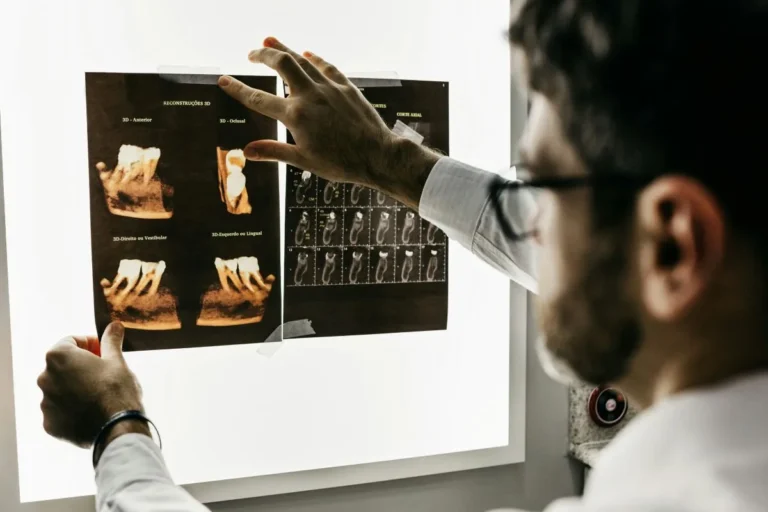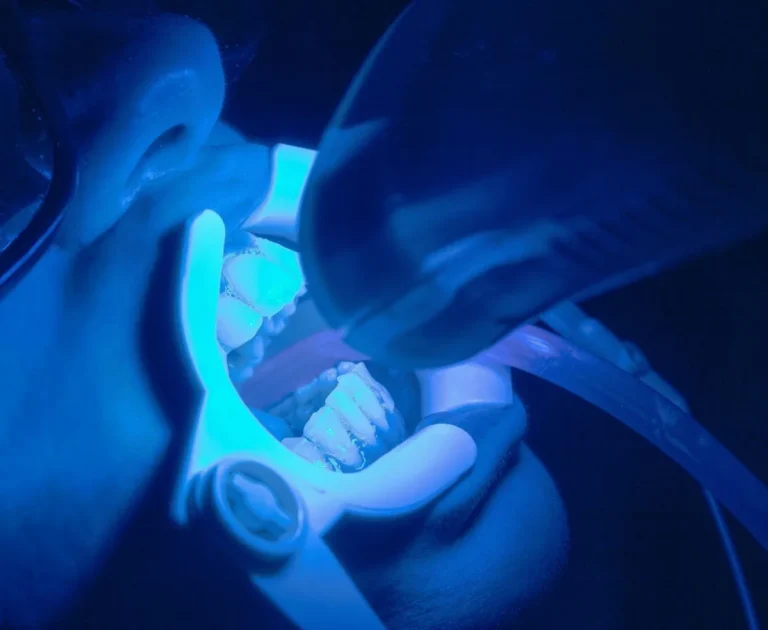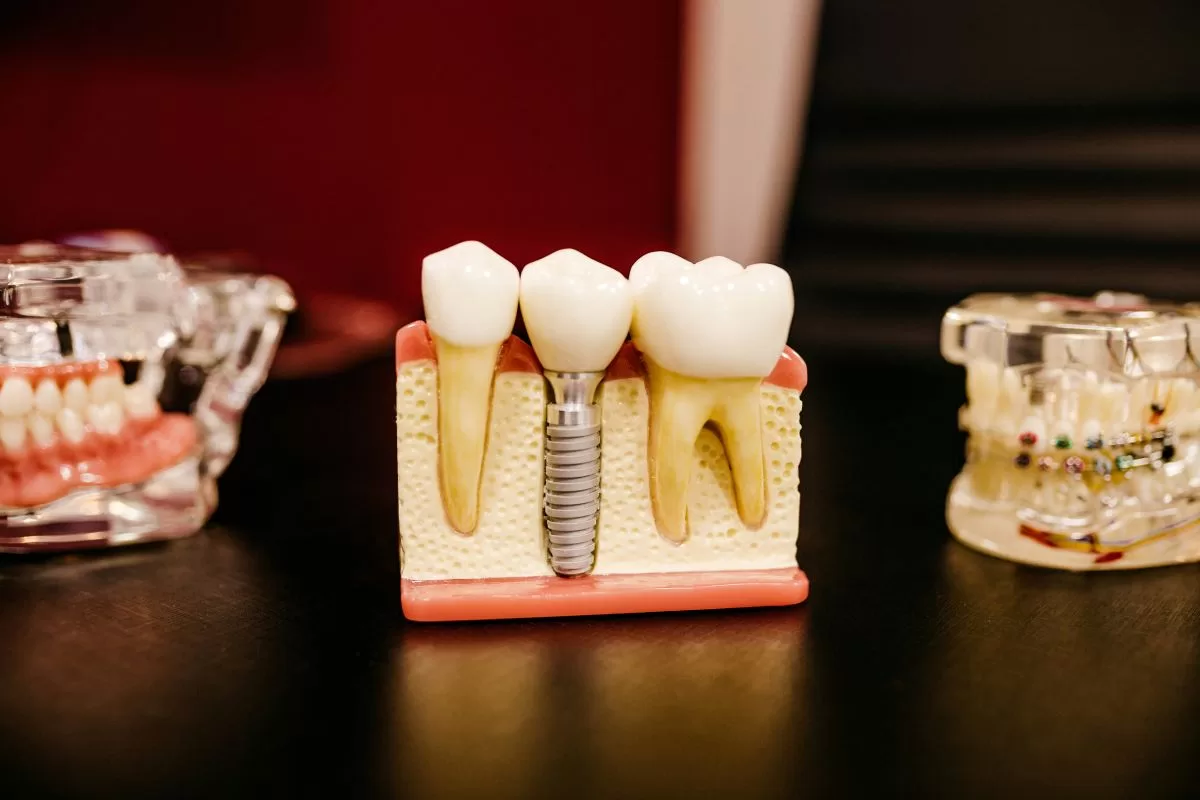
Tooth loss can be a distressing experience, impacting not only one’s ability to chew and speak but also affecting self-esteem and overall quality of life. Fortunately, modern dentistry offers a variety of tooth replacement options that cater to different needs and preferences. This exploration delves into the three primary methods of tooth replacement: dental implants, dental bridges, and dentures. Each option has its unique features, benefits, and considerations, making it essential to understand them thoroughly before making a decision.
Introduction to Tooth Replacement
Tooth replacement is a crucial aspect of restorative dentistry, aimed at restoring the functionality and aesthetics of a person’s smile. When a tooth is lost due to decay, injury, or periodontal disease, it can lead to a cascade of dental issues, including shifting teeth, bite misalignment, and bone loss. Therefore, timely intervention is vital.
Don't Delay Your Treatment
Let's create your personalised treatment plan right away with a complimentary consultation with our specialist dentists.
Choosing the right tooth replacement option involves evaluating various factors, including the number of missing teeth, the condition of the surrounding teeth and gums, personal preferences, and budget. Each replacement method has its own set of advantages and potential drawbacks, which will be explored in detail.
What are Dental Implants?
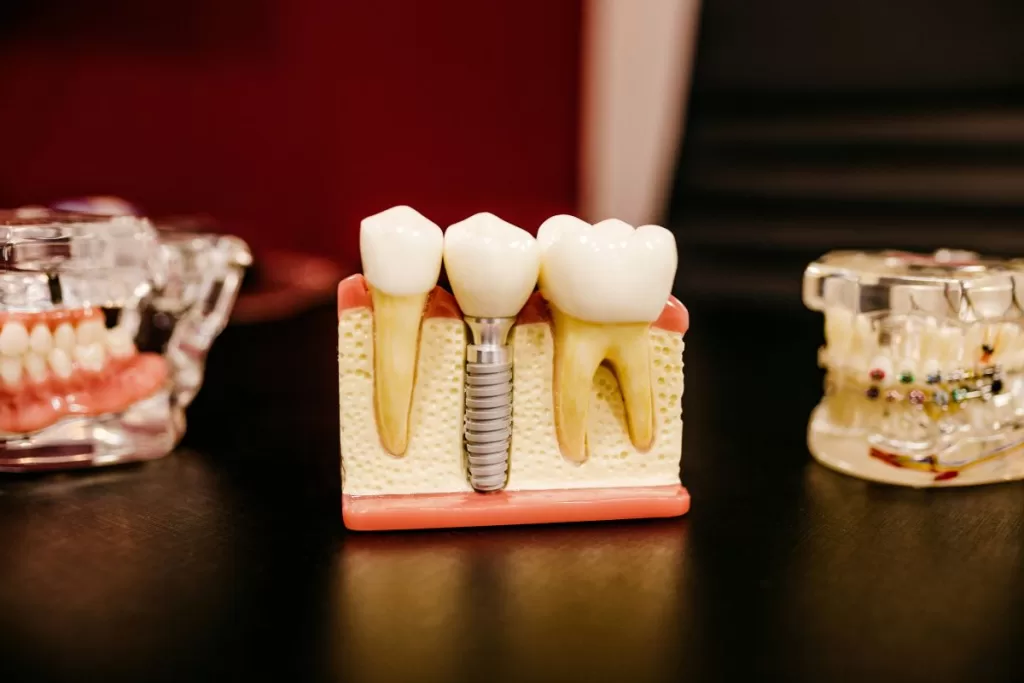
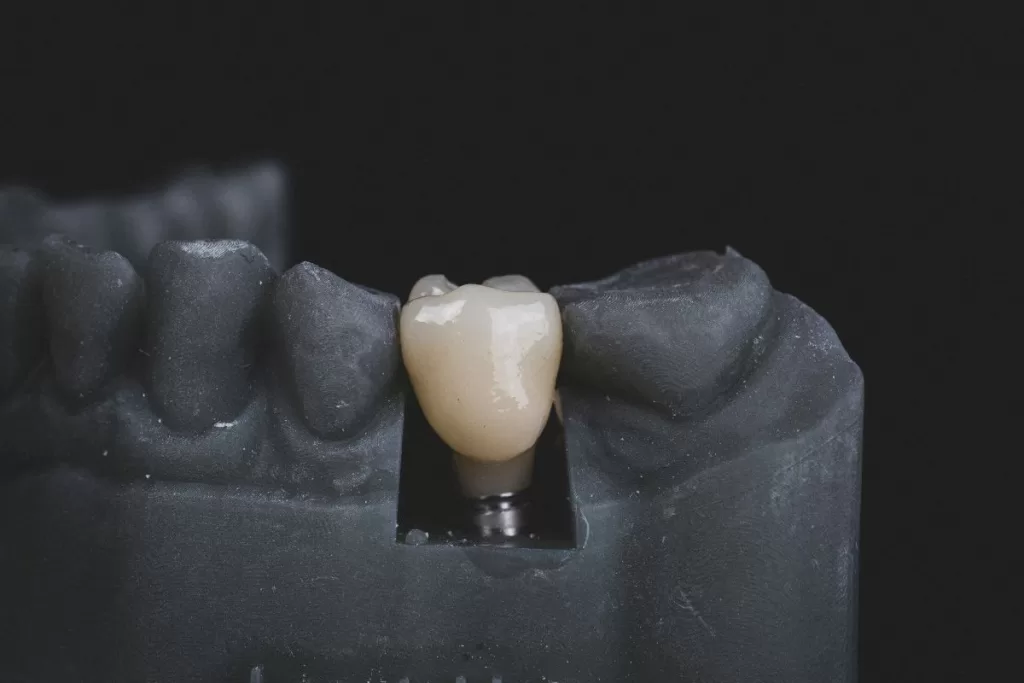
Dental implants are artificial tooth roots, typically made from titanium, that are surgically placed into the jawbone. They serve as a sturdy foundation for replacement teeth, which can be crowns, bridges, or dentures. The implant integrates with the bone through a process called osseointegration, providing a stable and long-lasting solution for tooth loss.
One of the most significant advantages of dental implants is their ability to mimic the natural tooth structure. Unlike other replacement options, implants do not rely on adjacent teeth for support, which helps preserve the integrity of surrounding teeth and bone. This makes them an excellent choice for individuals looking for a permanent solution to tooth loss.
Benefits of Dental Implants
Dental implants offer numerous benefits that make them a preferred choice for many individuals. Firstly, they provide a natural appearance and feel, allowing patients to eat, speak, and smile with confidence. The stability of implants also means that they do not shift or slip, which can be a concern with removable options.
Additionally, dental implants help prevent bone loss in the jaw. When a tooth is lost, the underlying bone can begin to deteriorate over time. Implants stimulate the bone, encouraging its growth and maintaining facial structure. This is particularly important for long-term oral health.
Don't Delay Your Treatment
Let's create your personalised treatment plan right away with a complimentary consultation with our specialist dentists.
Dental Implant Procedure
The dental implant procedure typically involves several stages. Initially, a thorough examination and imaging tests are conducted to assess the jawbone’s condition and determine the best placement for the implant. Once the planning is complete, the surgical placement of the implant occurs, which is usually done under local anesthesia.
After the implant is placed, a healing period of several months is necessary for osseointegration to take place. During this time, the implant fuses with the jawbone, creating a solid foundation. Once healing is complete, an abutment is attached to the implant, followed by the placement of the custom-made crown or prosthetic tooth.
What are Dental Bridges?
Dental bridges are another popular tooth replacement option, designed to fill the gap created by one or more missing teeth. A bridge consists of one or more artificial teeth, known as pontics, which are anchored in place by crowns on the adjacent natural teeth. This method effectively restores both function and aesthetics.
Bridges can be made from various materials, including porcelain, ceramic, or metal, allowing for a customized appearance that blends seamlessly with the natural teeth. They can be a suitable option for individuals who may not be candidates for implants due to certain health conditions or insufficient bone density.
Benefits of Dental Bridges
One of the primary benefits of dental bridges is their ability to restore the ability to chew and speak properly. By filling the gap left by missing teeth, bridges help maintain the alignment of remaining teeth, preventing them from shifting out of position. This can also help preserve facial structure and prevent sagging.
Don't Delay Your Treatment
Let's create your personalised treatment plan right away with a complimentary consultation with our specialist dentists.
Bridges are generally less invasive than implants, as they do not require surgical placement. The procedure can often be completed in just a few visits, making it a quicker solution for those seeking immediate results. Additionally, bridges can be more affordable than implants, depending on the materials used and the complexity of the case.
Types of Dental Bridges
There are several types of dental bridges available, each designed to address specific needs. Traditional bridges are the most common type, utilizing crowns on adjacent teeth for support. Cantilever bridges are used when there is only one adjacent tooth available for anchoring, while Maryland bridges feature a framework that is bonded to the back of the adjacent teeth without the need for crowns.
Implant-supported bridges are another option, where the bridge is anchored to dental implants rather than natural teeth. This type provides enhanced stability and is ideal for patients with multiple missing teeth. Understanding the different types of bridges can help individuals make informed decisions based on their unique dental situations.
What are Dentures?
Dentures are removable prosthetic devices designed to replace missing teeth and surrounding tissues. They can be complete, replacing all teeth in an arch, or partial, filling in gaps where some natural teeth remain. Dentures are a time-tested solution for tooth loss and can significantly improve a person’s quality of life.
Modern dentures are crafted from advanced materials that mimic the appearance of natural teeth and gums, providing a more comfortable fit and a more aesthetic look. They are custom-made to fit each individual’s mouth, ensuring a snug and secure fit that enhances functionality.
Don't Delay Your Treatment
Let's create your personalised treatment plan right away with a complimentary consultation with our specialist dentists.
Benefits of Dentures
Dentures offer several advantages, particularly for individuals who have lost most or all of their teeth. They can restore the ability to eat a variety of foods, improving nutrition and overall health. Additionally, dentures can enhance speech, allowing individuals to communicate more effectively.
Another significant benefit is the affordability of dentures compared to other tooth replacement options. They are often a more accessible solution for those on a budget, providing a functional and aesthetic improvement without the higher costs associated with implants or bridges.
Types of Dentures
There are two main types of dentures: complete and partial. Complete dentures are used when all teeth are missing in an arch, while partial dentures are designed for individuals who still have some natural teeth remaining. Partial dentures can help maintain the position of existing teeth and prevent further tooth loss.
Additionally, there are implant-supported dentures, which combine the benefits of implants and traditional dentures. These dentures are anchored to dental implants, providing enhanced stability and preventing slippage. Understanding the different types of dentures can help individuals choose the best option for their needs.
Comparing Implants, Bridges, and Dentures
When considering tooth replacement options, it’s essential to compare the benefits and drawbacks of implants, bridges, and dentures. Dental implants are often regarded as the gold standard due to their durability, natural appearance, and ability to prevent bone loss. However, they require a surgical procedure and may not be suitable for everyone.
Don't Delay Your Treatment
Let's create your personalised treatment plan right away with a complimentary consultation with our specialist dentists.
Bridges offer a less invasive solution that can restore function and aesthetics relatively quickly. They are ideal for individuals with healthy adjacent teeth but may require alteration of those teeth for support. Dentures, while more affordable and non-invasive, may require adjustments over time and can be less stable than other options.
– Cost Considerations
The cost of tooth replacement options can vary significantly based on several factors, including the type of restoration, materials used, and the complexity of the case. Dental implants tend to be the most expensive option, often requiring multiple appointments and surgical procedures. However, their longevity and benefits may justify the initial investment.
Bridges generally fall in the mid-range of costs, depending on the materials chosen and the number of teeth being replaced. Partial dentures are usually less expensive than full dentures, but the overall cost will depend on the specific needs of the patient. It’s crucial to consult with a dental professional to obtain a detailed estimate and explore potential financing options.
– Maintenance and Care
Proper maintenance and care are vital for the longevity of any tooth replacement option. Dental implants require regular brushing and flossing, just like natural teeth, along with routine dental check-ups to ensure the health of the surrounding gums and bone. Maintaining good oral hygiene is essential to prevent complications.
Bridges also require diligent care, as the supporting teeth need to remain healthy. Flossing around the bridge and regular dental visits are crucial for maintaining the integrity of the restoration. Dentures, while removable, should be cleaned daily and soaked overnight to maintain their shape and prevent staining.
Don't Delay Your Treatment
Let's create your personalised treatment plan right away with a complimentary consultation with our specialist dentists.
Conclusion and Recommendations
In conclusion, the choice of tooth replacement option—whether dental implants, bridges, or dentures—depends on individual circumstances, preferences, and budget. Each method has its unique advantages and considerations, making it essential to consult with a dental professional to determine the best fit for your specific needs.
For those seeking a long-term, stable solution, dental implants may be the ideal choice. If a quicker, less invasive option is preferred, bridges could be the way to go. Lastly, for individuals on a tighter budget or those who require a removable solution, dentures offer a practical alternative. Ultimately, the goal is to restore function, aesthetics, and confidence in your smile.
Schedule Your Consultation with Genç Dental Today
Ready to take the next step towards a confident, healthy smile? Genç Dental® is here to guide you through your tooth replacement journey. With our team of specialist physicians and commitment to continuous learning, we ensure that you receive the highest standard of care. Whether you’re considering dental implants, bridges, or dentures, we provide personalized solutions that cater to your unique needs. Contact us today to schedule your consultation and join the thousands of patients who have trusted us with their smiles.