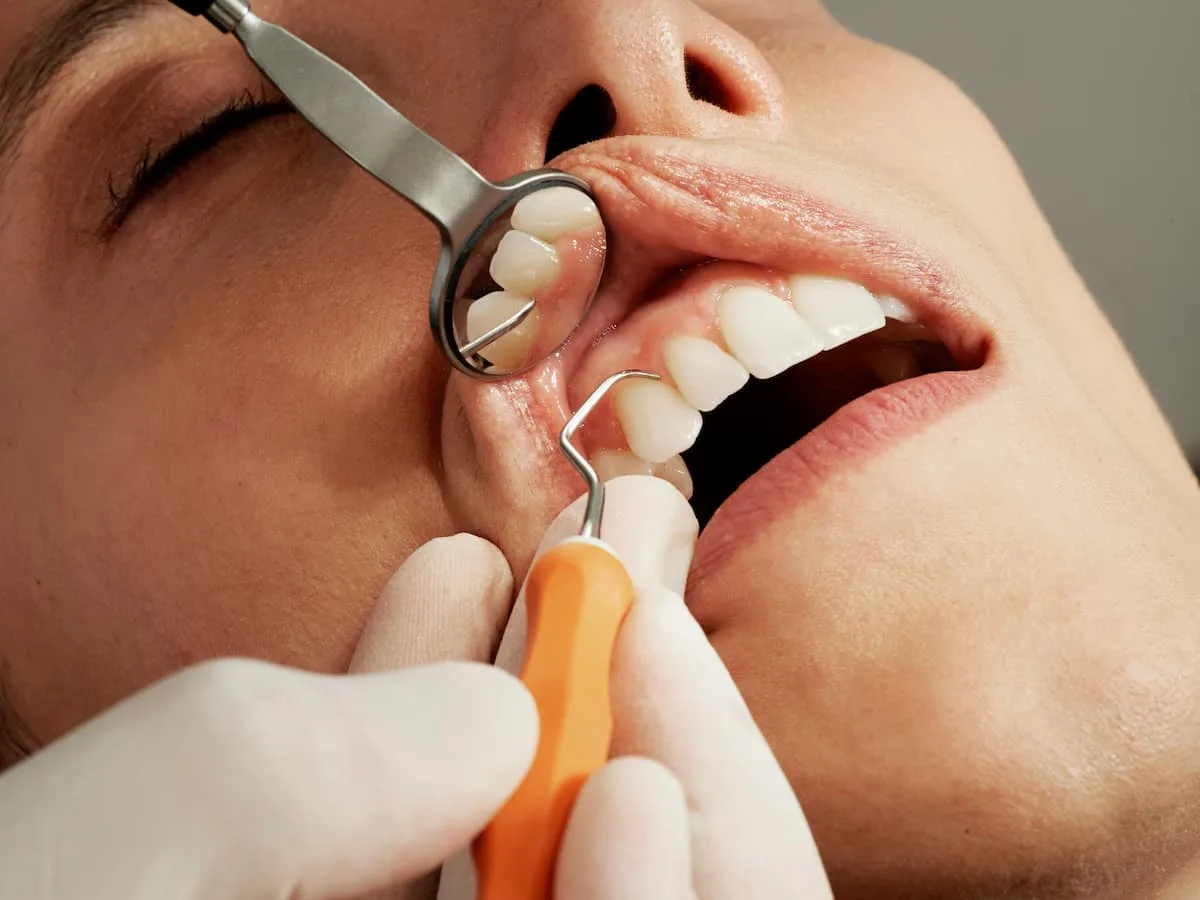
Teeth grinding, also known as bruxism, is a common issue that can cause a variety of oral health problems, particularly when it occurs at night. Many individuals are unaware that they grind their teeth during sleep, but the consequences of this unconscious behavior can be severe. From worn-down teeth to jaw pain and headaches, bruxism can impact both your oral and overall health. Fortunately, there are several steps you can take to prevent teeth grinding and protect your smile. In this article, we will explore the causes, effects, and preventive tips for managing bruxism effectively.
What is Teeth Grinding (Bruxism)?
Bruxism is the medical term for the grinding or clenching of teeth, often occurring during sleep. People who suffer from bruxism may unknowingly grind their teeth while asleep, resulting in a range of oral health problems. Although bruxism can occur during the day, nighttime bruxism is more common due to the relaxation of jaw muscles during sleep. While this condition is often associated with stress and anxiety, it can also be caused by misalignment of teeth, sleep disorders, or lifestyle habits.
Don't Delay Your Treatment
Let's create your personalised treatment plan right away with a complimentary consultation with our specialist dentists.
Common Symptoms of Bruxism
- Worn-down tooth enamel and flattened teeth
- Jaw pain or discomfort
- Headaches, especially in the morning
- Sensitivity to hot or cold foods and beverages
- Earaches or a feeling of fullness in the ears
- Sleep disruption
- Tightness or soreness in the jaw muscles
- Visible damage to dental restorations such as crowns and fillings
If you notice any of these symptoms, it’s crucial to seek professional help to prevent further damage to your teeth and gums. The earlier bruxism is detected, the easier it is to manage and treat. Many people are unaware of the damage they are doing to their teeth because bruxism happens during sleep, making it all the more important to recognize the signs.

Causes of Teeth Grinding at Night
Understanding the underlying causes of bruxism can help in finding effective solutions to prevent it. Several factors can contribute to teeth grinding at night:
1. Stress and Anxiety
One of the most common causes of bruxism is stress and anxiety. When you’re stressed, your body may unconsciously tense the jaw muscles, leading to grinding. Over time, this can cause significant wear on your teeth and lead to other complications like temporomandibular joint (TMJ) disorders. Stress-related bruxism can be triggered by a range of factors, including work pressure, personal life challenges, or even lack of sleep.
2. Misalignment of Teeth
Dental issues such as misaligned teeth or an improper bite can contribute to bruxism. When your teeth do not align properly, your body may respond by grinding your teeth in an attempt to adjust or alleviate discomfort. If you experience discomfort when chewing or find your bite feels “off,” it’s essential to consult your dentist to assess the alignment and recommend corrective measures.
3. Sleep Disorders
Certain sleep disorders, such as sleep apnea, can also trigger teeth grinding. During episodes of interrupted breathing in sleep, your body may subconsciously grind your teeth in response to the stress on your airway. People with sleep apnea often grind their teeth as a way to open up the airway when breathing is obstructed, leading to excessive pressure on the jaw and teeth.
Don't Delay Your Treatment
Let's create your personalised treatment plan right away with a complimentary consultation with our specialist dentists.
4. Lifestyle Factors
Excessive alcohol consumption, smoking, or the use of recreational drugs can increase the likelihood of bruxism. These habits can interfere with your sleep cycle and contribute to muscle tension, which in turn leads to teeth grinding. Moreover, caffeine consumption can also increase muscle activity, making bruxism more likely. It’s important to reduce or eliminate these triggers if you notice them contributing to your bruxism.
5. Medications
Some medications, such as antidepressants or stimulants, may have bruxism as a side effect. If you suspect that your medication is contributing to teeth grinding, consult with your healthcare provider about possible alternatives or adjustments. If you’re taking medication and experience unusual side effects like teeth grinding, don’t hesitate to discuss it with your doctor.

Tips for Preventing Teeth Grinding at Night
If you’re suffering from bruxism, there are several proactive steps you can take to reduce or eliminate nighttime teeth grinding. Below are some effective tips for managing this condition:
1. Use a Mouthguard
One of the most common and effective treatments for bruxism is the use of a mouthguard or nightguard. These dental devices are designed to be worn during sleep and act as a cushion between the upper and lower teeth, preventing them from grinding against each other. A custom-fitted mouthguard, created by a dentist, provides the best protection and comfort. Over-the-counter options are available, but they may not fit as well as a custom-fitted guard, which can cause discomfort and ineffective protection.
2. Manage Stress and Anxiety
Since stress is a significant trigger for bruxism, managing stress and anxiety can help reduce the frequency of teeth grinding. Consider incorporating relaxation techniques into your daily routine, such as:
Don't Delay Your Treatment
Let's create your personalised treatment plan right away with a complimentary consultation with our specialist dentists.
- Mindfulness meditation
- Yoga or deep breathing exercises
- Regular physical exercise
- Listening to calming music or engaging in a relaxing hobby
- Using aromatherapy with essential oils like lavender or chamomile before bed
Additionally, reducing your intake of caffeine and alcohol—both of which can increase stress—may help prevent bruxism. If you find that your stress levels are high, consider speaking to a therapist or counselor for additional support and guidance.
6. Seek Professional Help
If you find that your bruxism persists despite trying these tips, it’s essential to seek professional help from a dentist or healthcare provider. Your dentist may recommend additional treatments, such as physical therapy or Botox injections, to relax the jaw muscles. In more severe cases, a sleep specialist may help address any underlying sleep disorders contributing to bruxism. Early intervention and personalized treatment are key to minimizing the long-term effects of bruxism.
When to Visit Your Dentist
If you notice signs of teeth grinding, such as worn-down teeth, jaw pain, or headaches, it’s important to visit your dentist as soon as possible. Early intervention can help prevent more serious damage to your teeth and gums. A dentist will conduct a thorough examination and may suggest a customized treatment plan to address your specific needs. If you suspect you have bruxism but are unsure, your dentist can help diagnose the condition through an examination and diagnostic tests.
Conclusion
Teeth grinding (bruxism) at night can have significant consequences for your oral health, but there are many ways to prevent it. By using a mouthguard, managing stress, addressing dental issues, and practicing good sleep hygiene, you can significantly reduce the risk of grinding your teeth during the night. If bruxism persists, be sure to consult with your dentist or healthcare provider to explore other treatment options.
Take the Next Step Towards Better Oral Health with Genç Dental
If you’re experiencing teeth grinding or any other dental concerns, don’t wait to get help. At Genç Dental®, we are committed to providing comprehensive dental care that goes beyond your smile. Our experienced team of specialists can help you address bruxism and any other oral health issues you may be facing. Schedule an appointment with us today to take the next step towards a healthier, pain-free smile.