Dental health is an essential aspect of overall well-being, and one preventive measure that can make a significant difference in protecting your teeth is dental sealants. Dental sealants are a popular and effective way to safeguard your teeth from cavities, particularly in children and adolescents. In this article, we will explore what dental sealants are, how they work, who can benefit from them, and the steps involved in getting them.
What Are Dental Sealants?
Dental sealants are thin, protective coatings that are applied to the chewing surfaces of the back teeth (molars and premolars). These teeth have grooves and pits that are often difficult to clean with regular brushing, making them prone to cavities. Sealants create a barrier that helps protect these hard-to-reach areas from food particles, bacteria, and acids that contribute to tooth decay.
Don't Delay Your Treatment
Let's create your personalised treatment plan right away with a complimentary consultation with our specialist dentists.
How Dental Sealants Work
Dental sealants are made from a plastic resin material, which bonds to the grooves and fissures on the surface of your teeth. Once applied, the sealant hardens and forms a protective shield over the enamel. This barrier prevents plaque, bacteria, and food particles from getting trapped in the deep grooves of your teeth, reducing the risk of cavities.
The sealant is not only effective at preventing cavities but also provides an additional layer of protection to teeth that are more vulnerable to decay. This is particularly important for children, whose molars are still developing, and for individuals who are prone to cavities due to factors such as diet, oral hygiene habits, or genetics.

Who Can Benefit from Dental Sealants?
While dental sealants are commonly associated with children and teenagers, adults can benefit from them as well. Let’s explore who can benefit most from dental sealants:
1. Children and Adolescents
Dental sealants are most commonly applied to children and teenagers, typically when their permanent molars first erupt. These back teeth are more vulnerable to decay, especially in children who are still learning how to brush properly. Sealants can be a highly effective way to protect these teeth from cavities during the years when the risk of tooth decay is highest.
2. Adults with Deep Grooves in Their Teeth
Adults who have deep grooves in their molars or who have a history of cavities can also benefit from dental sealants. Even if an individual is no longer in the high-risk age range, the protective barrier of a sealant can help safeguard vulnerable teeth from decay.
Don't Delay Your Treatment
Let's create your personalised treatment plan right away with a complimentary consultation with our specialist dentists.
3. People with Orthodontic Appliances
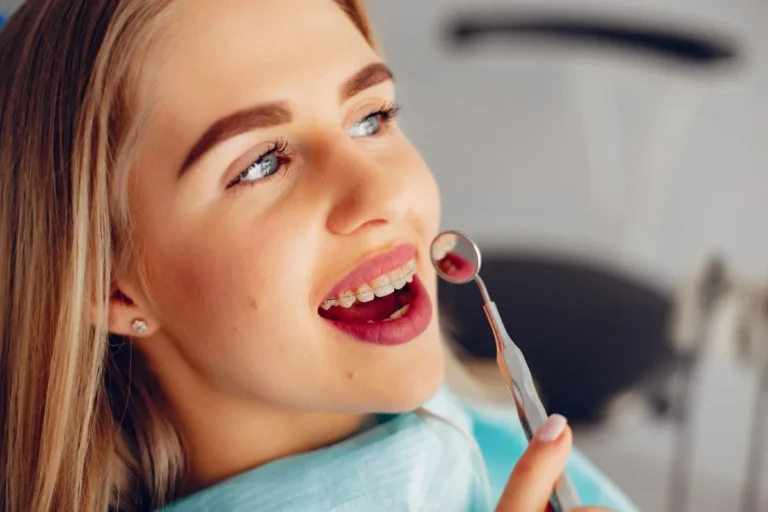
Individuals who wear braces or other orthodontic appliances may be at a higher risk of cavities due to the difficulty of cleaning around the brackets and wires. Orthodontic treatment can improve dental alignment, but it also increases the need for extra preventive care. Dental sealants can help protect the surfaces of the teeth that are more difficult to clean, reducing the likelihood of cavities developing in these areas.
Benefits of Dental Sealants
Dental sealants offer a range of benefits that can enhance your oral health and help maintain a healthy, cavity-free smile. Here are some of the key advantages of using dental sealants:
1. Prevent Tooth Decay
The primary benefit of dental sealants is that they provide an additional layer of protection against cavities. By sealing the grooves and fissures in your molars, sealants prevent bacteria and food particles from getting trapped in these areas, reducing the chances of tooth decay and cavities. Studies have shown that sealants can reduce the risk of cavities by up to 80% in the first two years after application.
2. Cost-Effective Prevention
Dental sealants are an affordable and long-lasting preventive measure. Compared to the cost of filling cavities or undergoing more invasive dental treatments, sealants are a relatively inexpensive way to avoid the need for restorative procedures. Many dental insurance plans cover the cost of dental sealants, making them even more accessible.
3. Quick and Painless Application
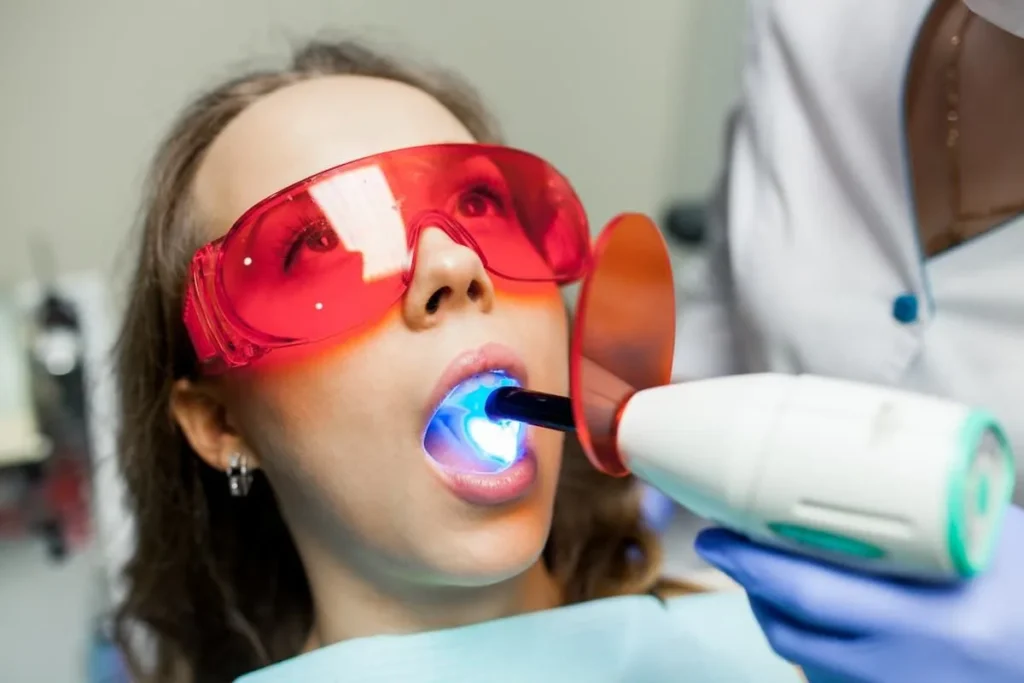
Applying dental sealants is a quick and painless procedure. The dentist or hygienist will clean and dry the teeth before applying the sealant material. The resin is then painted onto the grooves of the teeth, and a special light is used to harden the sealant. The entire process typically takes only a few minutes per tooth, making it an easy and convenient preventive treatment.
Don't Delay Your Treatment
Let's create your personalised treatment plan right away with a complimentary consultation with our specialist dentists.
4. Durable Protection
Dental sealants are highly durable and can last for many years, providing long-term protection for your teeth. Sealants are designed to withstand the normal wear and tear of chewing, and they can last anywhere from 5 to 10 years with proper care. Regular dental check-ups will ensure that the sealants are intact and functioning effectively.
5. Maintains Tooth Structure
Sealants are applied to the surface of the teeth and do not require any drilling or removal of tooth structure. Unlike fillings, which may involve removing parts of a tooth, sealants are a non-invasive way to prevent cavities and preserve the natural structure of your teeth.
How Are Dental Sealants Applied?
The process of applying dental sealants is quick, non-invasive, and typically requires no anesthesia. Here’s what you can expect during a dental sealant application:
- Cleaning the Teeth: Your dentist will first clean and dry the teeth that are being sealed to ensure that no plaque or debris is trapped underneath the sealant.
- Etching the Tooth Surface: The tooth surface will be lightly etched with a special solution to create tiny grooves that help the sealant bond to the tooth.
- Applying the Sealant: The dentist will apply the liquid sealant to the grooves of the molars and premolars, ensuring it covers all the deep pits and fissures.
- Hardening the Sealant: A special light is used to harden and cure the sealant, ensuring that it bonds securely to the tooth.
- Final Check: The dentist will check that the sealant is properly in place and will adjust it if necessary to ensure a smooth, comfortable fit.
How Long Do Dental Sealants Last?
Dental sealants are designed to last for many years, but they may need to be replaced or reapplied over time. The durability of the sealant depends on factors such as the type of sealant used, the condition of your teeth, and how well you care for them. Regular dental check-ups will help ensure that the sealants remain intact and effective. If any sealants begin to wear down or become damaged, your dentist can reapply them to maintain the protection.
Are There Any Risks or Side Effects?
Dental sealants are generally considered safe for most people, including children and adults. The materials used for sealants are non-toxic and have been approved by the American Dental Association (ADA). However, there are a few considerations to keep in mind:
Don't Delay Your Treatment
Let's create your personalised treatment plan right away with a complimentary consultation with our specialist dentists.
- Allergic Reactions: Although rare, some people may be allergic to the resin used in dental sealants. If you have concerns about this, be sure to inform your dentist before the procedure.
- Sealant Wear: Over time, sealants can wear down, especially on teeth that undergo heavy chewing. Your dentist will monitor the condition of your sealants during routine check-ups and may replace them as needed.
Conclusion
Dental sealants are a highly effective, non-invasive way to protect your teeth from cavities and decay. They are a valuable tool in maintaining optimal oral health, especially for children, teenagers, and adults with deep grooves in their molars. Pedodontics focuses on preventive dental care for children, making sealants an excellent choice for protecting young smiles.
Protect Your Smile with Genç Dental
If you’re interested in learning more about dental sealants or want to schedule a consultation, Genç Dental is here to help. Our team of dental professionals can provide expert advice and help you determine whether dental sealants are the right choice for your oral health needs. Contact us today to book your appointment and take the first step toward a healthier, cavity-free smile!