Dental emergencies can happen at any time, often when you least expect them. Whether it’s a sudden toothache, a chipped tooth, or a knocked-out tooth, knowing how to react quickly can make a huge difference in managing the situation and preventing further damage. In this article, we’ll discuss common dental emergencies, how to handle them properly, and when it’s crucial to seek professional help. Having the right knowledge can save your smile—and possibly your teeth.
What is a Dental Emergency?
A dental emergency is any situation that requires immediate attention from a dentist. These emergencies can occur due to trauma, infection, or other unexpected circumstances that put your oral health at risk. If left untreated, dental emergencies can result in long-term damage, tooth loss, or severe pain.
Don't Delay Your Treatment
Let's create your personalised treatment plan right away with a complimentary consultation with our specialist dentists.
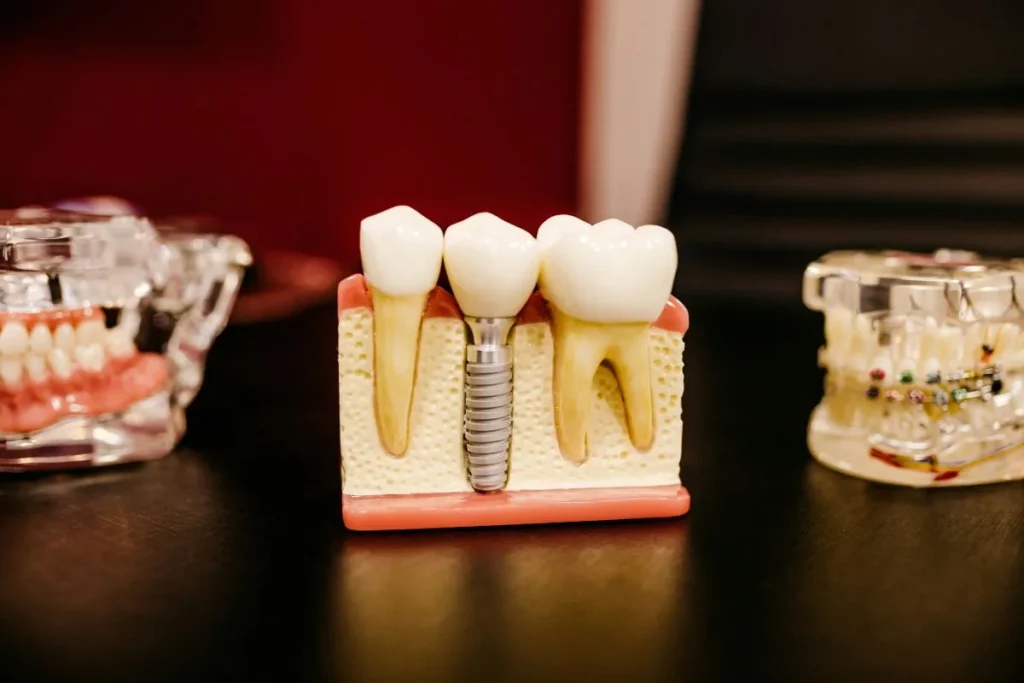
For instance, an unexpected issue like a knocked-out tooth may require treatments like dental implants if reimplantation isn’t successful.
When to Seek Emergency Dental Care
Not all dental problems require immediate attention, but some conditions may escalate quickly, making prompt treatment necessary. The key signs that you need emergency dental care include:
- Severe pain that doesn’t subside with over-the-counter pain relievers.
- Significant swelling around the gums or face.
- Broken or knocked-out teeth.
- Injuries to the mouth, jaw, or face.
- Heavy bleeding that doesn’t stop.
- Loose or dislodged dental work, such as fillings or crowns.

Common Dental Emergencies and How to Handle Them
1. Toothache
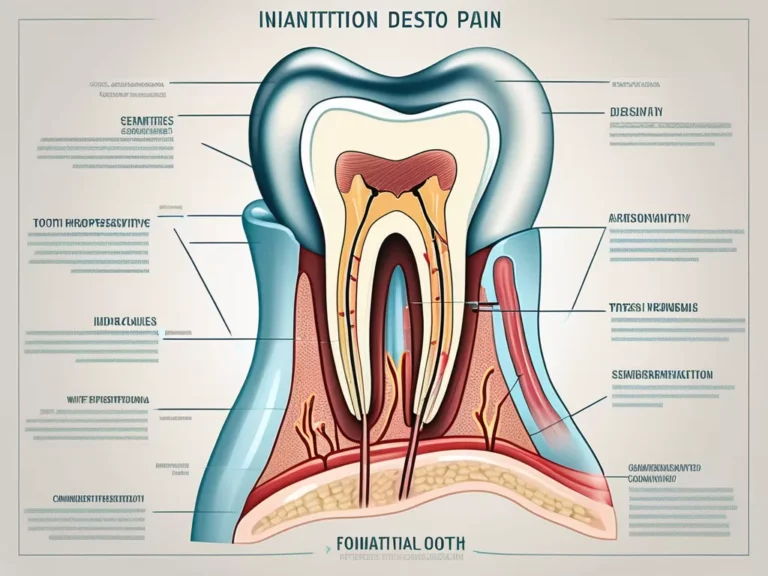
Toothaches are one of the most common dental problems. They can range from mild discomfort to severe pain, and they often signal an underlying issue such as cavity, infection, or gum disease. If you experience a toothache, here’s how to handle it:
- Rinse your mouth: Use warm salt water to rinse your mouth, which can help relieve irritation and cleanse the area.
- Use over-the-counter pain relievers: Ibuprofen or acetaminophen can help reduce pain and inflammation.
- Cold compress: Apply a cold compress to the outside of your cheek to reduce swelling and numb the pain.
- Avoid certain foods: Stay away from very hot, cold, or sweet foods that can trigger the pain.
- See a dentist: If the pain persists for more than a day or worsens, it’s time to visit your dentist to identify the cause and get proper treatment. In case of persistent pain, treatments such as endodontics might be necessary to address the root cause effectively.
2. Chipped or Cracked Teeth
Accidents happen, and chipped tooth or cracked tooth can result from something as simple as biting down on hard food or a traumatic injury. Regardless of how it happens, it’s important to act quickly to minimize further damage and preserve your tooth. Here’s what to do:
- Clean your mouth: Rinse your mouth with warm water to remove any debris.
- Apply a cold compress: To reduce swelling and pain, apply cold compress to the affected area.
- Save the pieces: If part of your tooth breaks off, save the pieces and bring them with you to the dentist, as they may be able to reattach them.
- Cover the tooth: If the chipped or cracked tooth has sharp edges, cover it with dental wax or sugar-free gum to avoid cutting your mouth.
- Visit your dentist: You should see your dentist as soon as possible. Depending on the extent of the damage, your dentist may recommend a crown, filling, or other restoration. Consulting on procedures like veneers can also be considered for long-term aesthetic and functional restoration.
3. Knocked-Out Tooth
One of the most alarming dental emergencies is a knocked-out tooth. Whether it’s due to a sports injury, a fall, or a car accident, losing a tooth can be distressing. However, with immediate action, there’s a chance your dentist can reimplant the tooth. Here’s what to do:
Don't Delay Your Treatment
Let's create your personalised treatment plan right away with a complimentary consultation with our specialist dentists.
- Find the tooth: Look for the tooth immediately and handle it by the crown (the top part). Avoid touching the root, as this can damage the tissue that helps the tooth reattach.
- Rinse the tooth: Gently rinse the tooth with clean water if it’s dirty, but do not scrub it. If possible, place the tooth back in the socket. Bite down gently to hold it in place.
- If you can’t reinsert the tooth: Place the tooth in a container of milk or saliva, or between your cheek and gums, to keep it moist.
- See your dentist immediately: Time is critical. The sooner you see a dentist, the better the chances are of reimplanting the tooth successfully. Aim to see a dentist within30 minutes to1 hour of the injury.
4. Lost Filling or Crown
Dental restorations like fillings and crowns can become loose or fall out over time. If this happens, it’s important to protect the affected tooth and seek professional help as soon as possible. Here’s how to handle a lost filling or crown:
- Clean the area: Gently rinse your mouth with warm water to remove any debris from the affected area.
- Use dental cement: If you can’t get to the dentist right away, you can use over-the-counter dental cement or wax to temporarily cover the exposed area and prevent discomfort.
- Keep the crown: If you’ve lost a crown, keep it safe and bring it to the dentist, as it may be able to be re-cemented.
- Visit your dentist: Schedule an appointment with your dentist as soon as possible to get the filling or crown replaced. Understanding the options available, including modern techniques in prosthodontics, can be beneficial for effective restoration.
5. Abscessed Tooth
An abscessed tooth is a painful, often serious infection that occurs at the root of the tooth or between the gum and tooth. It can cause severe pain, swelling, fever, and even difficulty swallowing. If you suspect you have an abscessed tooth, seek dental care immediately. Here’s what to do in the meantime:
- Rinse with salt water: To help reduce swelling and relieve pain, rinse your mouth with warm salt water.
- Take over-the-counter pain medication: Non-prescription pain relievers like ibuprofen can help ease the discomfort until you can see a dentist.
- Apply a cold compress: Apply a cold compress to the outside of your cheek to help reduce swelling and numb the pain.
- See a dentist right away: Abscesses are serious and require professional treatment. Your dentist may drain the abscess and prescribe antibiotics to fight the infection. Consider the benefits of consulting specialists in periodontology for comprehensive care.
6. Soft Tissue Injuries
Injuries to the gums, lips, tongue, or inside of the cheeks can be painful and alarming, but they’re not always as serious as broken teeth. However, it’s still important to treat these injuries properly to prevent infection and promote healing. Here’s what to do:
- Clean the wound: Rinse the affected area with warm water to remove any debris.
- Stop the bleeding: If there is bleeding, apply gentle pressure with a clean cloth or gauze until it stops.
- Use a cold compress: Apply a cold compress to the outside of the mouth to reduce swelling and numb the area.
- See a dentist: If the injury is severe or doesn’t stop bleeding after few minutes, seek immediate dental care.
Conclusion
Dental emergencies can be stressful and painful, but knowing how to handle them effectively can make all the difference. From toothaches and cracked teeth to knocked-out teeth and abscesses, it’s important to act quickly and seek professional help when needed. By following these steps, you can minimize the damage and improve the chances of a full recovery. Don’t hesitate to reach out to your dentist or visit an emergency dental clinic for immediate care. Your dental health is too important to ignore.
Contact Genç Dental for Emergency Care
If you’re experiencing a dental emergency or have concerns about your oral health, Genç Dental is here to help. Our experienced team offers fast, compassionate care to address all types of dental emergencies. Contact us today schedule an appointment or visit our office for prompt treatment. Don’t wait—protect your smile!