Clenching your jaw might seem like a harmless habit, but it can cause significant damage to your teeth and gums over time. Whether it’s caused by stress, anxiety, or an underlying medical condition, jaw clenching can lead to various oral health problems. In this article, we’ll explore how jaw clenching affects your dental health and what you can do to prevent it.
What Is Jaw Clenching?
Jaw clenching, or bruxism, is the involuntary grinding or clenching of the teeth, often during sleep or in moments of stress. While it’s common to occasionally clench your jaw, doing it frequently or with force can lead to a host of dental issues. People who clench their jaws may not even be aware of it until the damage becomes noticeable.
Don't Delay Your Treatment
Let's create your personalised treatment plan right away with a complimentary consultation with our specialist dentists.
If you suspect you’re clenching your jaw at night, jaw joint problems or discomfort could be early signs. Clenching can happen due to stress, anxiety, an abnormal bite, or other factors. Identifying the cause of your jaw clenching is key to finding the appropriate treatment.

How Jaw Clenching Affects Your Teeth
Jaw clenching exerts tremendous pressure on your teeth, far more than regular chewing. Over time, this can lead to a number of dental problems:
- Tooth Wear: Continuous clenching can wear down the enamel, the protective outer layer of your teeth. This can lead to sensitivity, cavities, and other long-term damage. Dental fillings may be required to repair some of the damage caused by tooth wear.
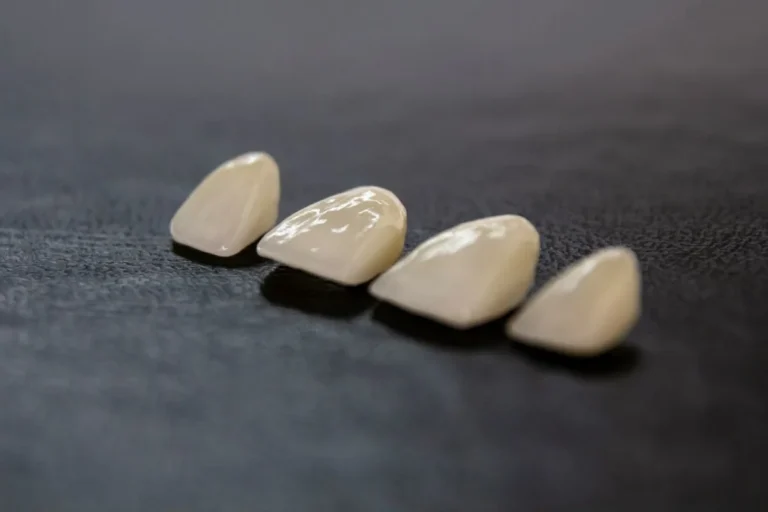
- Cracked or Broken Teeth: The intense force from clenching can cause teeth to crack or break. Cracks in your teeth may not always be visible, but they can lead to infections or require restorative treatments such as veneers or crowns to restore the tooth’s function and appearance.
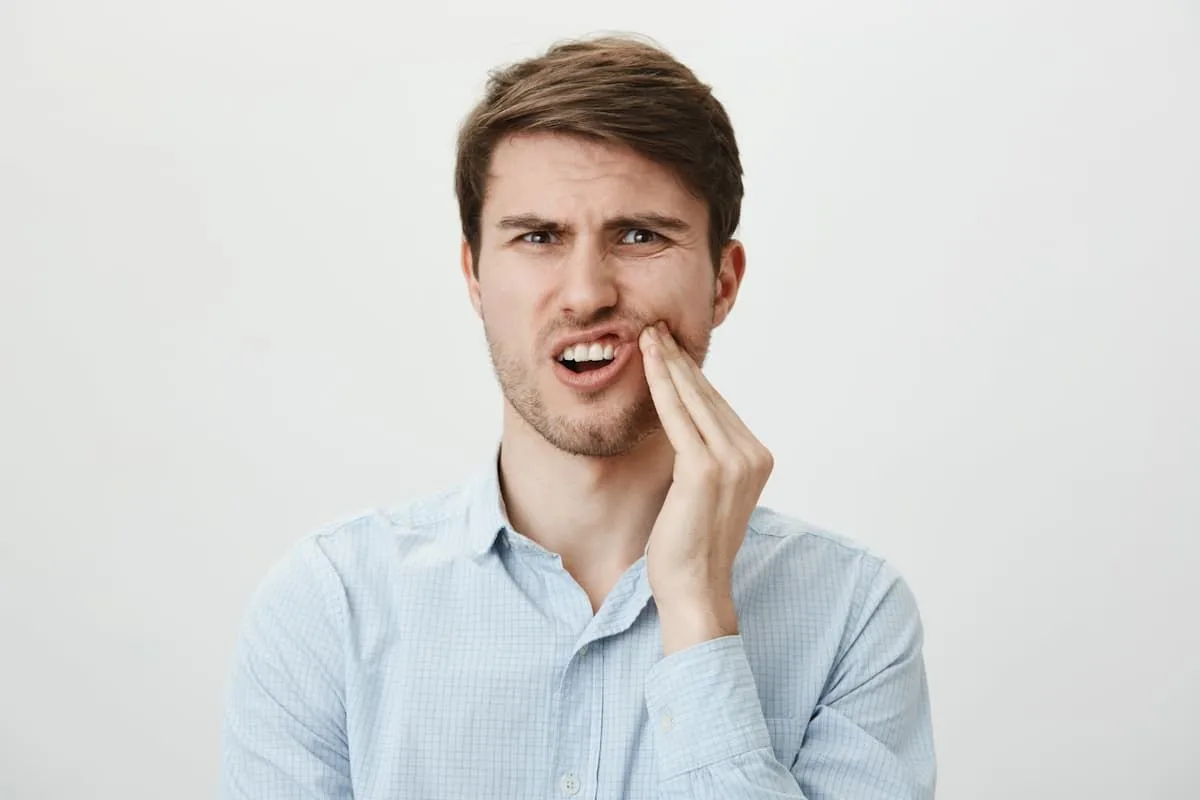
- Jaw and Facial Pain: Clenching can strain the muscles around your jaw and face, leading to pain and discomfort. In severe cases, this can result in temporomandibular joint (TMJ) disorders, which may require specialized treatments like masseter botox to relieve muscle tension.
- Gum Recession: The excessive pressure from clenching can cause the gums to recede, exposing the sensitive root areas of your teeth. Gum recession can lead to tooth sensitivity, which can be treated with methods like gum esthetics to restore the gum line.
Signs That You’re Clenching Your Jaw
While jaw clenching may occur unconsciously, there are some common signs that indicate the habit is taking a toll on your oral health:
- Tooth Sensitivity: If you experience pain or discomfort when consuming hot, cold, or sweet foods, this could be a sign of tooth enamel erosion caused by clenching.
- Jaw Pain: Persistent jaw pain or soreness, especially in the morning, can indicate that you’re clenching your jaw during sleep.
- Headaches: Clenching can contribute to tension headaches, which may be felt in the temples or the back of the head.
- Teeth Wear: If you notice flat or chipped teeth, it’s likely a sign that you’re clenching or grinding your teeth.
- Popping or Clicking in the Jaw: If your jaw pops or clicks when you open or close your mouth, this could be related to clenching and the resulting strain on the temporomandibular joint (TMJ).
What Can You Do to Prevent Jaw Clenching?
If you’re experiencing the effects of jaw clenching, it’s important to take steps to reduce the damage. Here are some strategies you can try:
1. Manage Stress
Stress is one of the leading causes of jaw clenching, especially during sleep. Finding ways to manage stress through relaxation techniques such as meditation, deep breathing, and exercise can help reduce the urge to clench your jaw. If stress is a major contributor to your clenching, consider professional help to address underlying anxiety or stress-related issues.
Don't Delay Your Treatment
Let's create your personalised treatment plan right away with a complimentary consultation with our specialist dentists.
2. Wear a Mouthguard
If you clench or grind your teeth at night, wearing a custom mouthguard is one of the most effective ways to protect your teeth. A dentist can create a custom-fit guard that will help cushion your teeth and reduce the pressure from clenching. Mouthguards can prevent the damage caused by clenching and are an affordable solution for protecting your dental health.
3. Correct Bite Issues
Sometimes, an abnormal bite or misaligned teeth can contribute to jaw clenching. A dentist can assess your bite and recommend treatments such as orthodontic treatment to correct misalignments and reduce clenching.
4. Avoid Stimulants
Caffeine and nicotine can increase muscle tension, which can exacerbate jaw clenching. Reducing your intake of these substances can help lower the likelihood of clenching. Additionally, make sure to avoid chewing on non-food objects like pens or pencils, which can trigger clenching behavior.
5. Consider Botox for Jaw Clenching
In severe cases, Botox can be used to relax the muscles responsible for clenching. The botulinum toxin temporarily paralyzes the muscles, preventing them from contracting and reducing the urge to clench. If you’re struggling with chronic clenching and pain, masseter botox might be a suitable treatment for you.
When to See a Dentist
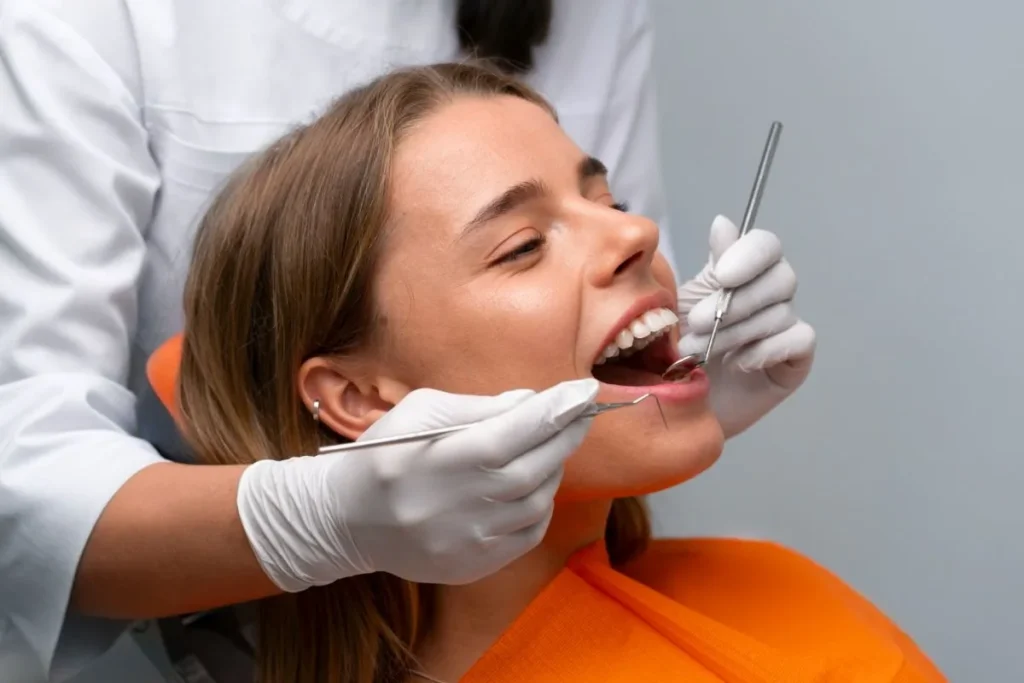
If you suspect that jaw clenching is affecting your teeth or causing pain, it’s important to consult with a dentist as soon as possible. Early intervention can help prevent more serious dental issues, such as cracked teeth or TMJ disorders. Your dentist can assess the damage, recommend treatments such as zirconium crowns or other restorative options, and help you find a solution to alleviate clenching.
Don't Delay Your Treatment
Let's create your personalised treatment plan right away with a complimentary consultation with our specialist dentists.
Conclusion
Jaw clenching is a common yet damaging habit that can have significant effects on your oral health. From tooth wear and sensitivity to jaw pain and headaches, the consequences of clenching can be severe if left untreated. It’s important to address the root causes of jaw clenching and take proactive steps to protect your teeth. Whether it’s through stress management, wearing a mouthguard, or seeking treatments for misaligned teeth, there are many options available to help you stop clenching and maintain a healthy smile. If you need further assistance or are experiencing dental damage, consider consulting with our expert team at Genç Dental.
Visit Genç Dental for a Healthy Smile
If you’re dealing with jaw clenching or any dental concerns, contact us today at Genç Dental. Our experienced team will help you restore your oral health and keep your smile looking its best. Schedule an appointment now and start your journey to a healthier, pain-free mouth.