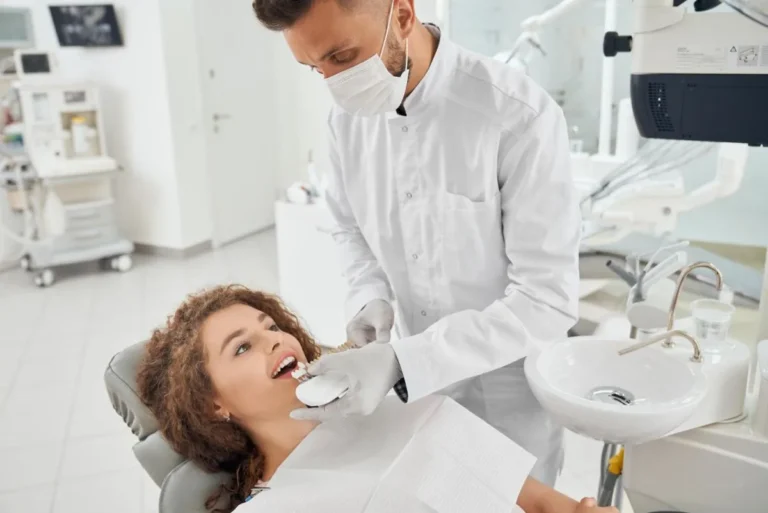
Oral health is a crucial aspect of overall well-being, yet many people harbor misconceptions that can lead to poor dental hygiene practices. Understanding the truth behind these myths is essential for maintaining a healthy smile. In this exploration, we will delve into 15 common myths and misconceptions about oral health, debunking them one by one.
Don't Delay Your Treatment
Let's create your personalised treatment plan right away with a complimentary consultation with our specialist dentists.
Brushing harder cleans better
Many individuals believe that applying more pressure while brushing their teeth will result in a cleaner mouth. However, this notion is misleading. Brushing too hard can actually damage the enamel of the teeth and irritate the gums, leading to receding gums and increased sensitivity.
Instead of focusing on pressure, it is more effective to use a soft-bristled toothbrush and gentle circular motions. This technique ensures that plaque is effectively removed without causing harm to the delicate structures in the mouth.
Moreover, the duration of brushing is equally important. Dentists recommend brushing for at least two minutes, twice a day, to ensure thorough cleaning without the need for excessive force.
Sugar is the only cause of cavities
While sugar is indeed a significant contributor to tooth decay, it is not the sole culprit. Cavities can form due to a variety of factors, including poor oral hygiene, acidic foods and beverages, and even certain medical conditions that affect saliva production.
Acidic foods, such as citrus fruits and soda, can erode enamel and create an environment conducive to cavity formation. Additionally, bacteria in the mouth feed on sugars and produce acids that attack tooth enamel, but they can also thrive in other conditions that promote decay.
Don't Delay Your Treatment
Let's create your personalised treatment plan right away with a complimentary consultation with our specialist dentists.
Maintaining a balanced diet, practicing good oral hygiene, and visiting the dentist regularly can help mitigate the risk of cavities, regardless of sugar consumption.
You don’t need to floss if you brush
A common misconception is that brushing alone is sufficient for maintaining oral health. However, brushing only cleans the surfaces of the teeth and may not effectively remove plaque and food particles lodged between them. Flossing is essential for reaching these tight spaces.
Flossing helps prevent gum disease and cavities by removing debris that a toothbrush cannot reach. It is recommended to floss at least once a day to ensure that the areas between the teeth are clean and healthy.
Incorporating both brushing and flossing into your daily routine creates a comprehensive approach to oral hygiene, significantly reducing the risk of dental issues.
Whitening toothpaste is harmful
Many people fear that whitening toothpaste can damage their teeth or gums. While it is true that some whitening products contain abrasive ingredients, most reputable whitening toothpastes are safe for regular use when used as directed.
Don't Delay Your Treatment
Let's create your personalised treatment plan right away with a complimentary consultation with our specialist dentists.
These toothpastes typically contain mild abrasives that help remove surface stains without harming the enamel. However, overuse or misuse of highly abrasive products can lead to enamel wear and increased sensitivity.
For those concerned about the safety of whitening toothpaste, consulting with a dentist can provide personalized recommendations based on individual dental health needs.

Dental visits are only for emergencies
Many individuals only seek dental care when they experience pain or discomfort, believing that routine visits are unnecessary. However, regular dental check-ups are vital for preventive care, allowing for the early detection of potential issues before they escalate into emergencies.
During routine visits, dentists can perform cleanings, check for cavities, and assess gum health. These proactive measures can save patients from more extensive and costly treatments down the line.
Establishing a routine dental visit schedule, typically every six months, is an essential part of maintaining optimal oral health.
Don't Delay Your Treatment
Let's create your personalised treatment plan right away with a complimentary consultation with our specialist dentists.
Baby teeth don’t need care
Some parents mistakenly believe that since baby teeth will eventually fall out, they do not require the same level of care as permanent teeth. This misconception can lead to neglecting oral hygiene in young children, resulting in cavities and other dental issues.
Baby teeth play a crucial role in a child’s development, aiding in speech and proper alignment of permanent teeth. Neglecting their care can lead to pain and complications that affect a child’s overall health and well-being.
Establishing a routine of brushing and regular dental visits for children is essential for ensuring their dental health and setting the foundation for a lifetime of good oral hygiene habits.
Gum disease is not a big deal
Many people underestimate the seriousness of gum disease, viewing it as a minor issue. However, gum disease can lead to significant health problems if left untreated, including tooth loss and increased risk of systemic conditions such as heart disease and diabetes.
Gum disease begins with gingivitis, characterized by inflammation and bleeding of the gums. If not addressed, it can progress to periodontitis, which can cause irreversible damage to the supporting structures of the teeth.
Don't Delay Your Treatment
Let's create your personalised treatment plan right away with a complimentary consultation with our specialist dentists.
Maintaining good oral hygiene and seeking regular dental care can help prevent gum disease and its associated complications.
You can skip dental check-ups if you have no pain
Many individuals believe that if they are not experiencing pain, they can forgo dental check-ups. This is a dangerous misconception, as many dental issues can develop silently without any noticeable symptoms.
Regular dental visits allow for the early detection of problems such as cavities, gum disease, and oral cancer, which may not present symptoms until they have progressed significantly.
By prioritizing preventive care through routine check-ups, individuals can maintain better oral health and avoid more serious issues in the future.

Mouthwash replaces brushing and flossing
Some people mistakenly believe that using mouthwash can substitute for brushing and flossing. While mouthwash can be a beneficial addition to an oral hygiene routine, it should not replace the fundamental practices of brushing and flossing.
Don't Delay Your Treatment
Let's create your personalised treatment plan right away with a complimentary consultation with our specialist dentists.
Mouthwash can help reduce bacteria, freshen breath, and provide additional fluoride, but it does not physically remove plaque and food particles from the teeth. Brushing and flossing are essential for effective cleaning and maintaining gum health.
Incorporating mouthwash as a complementary step after brushing and flossing can enhance oral hygiene, but it should never be viewed as a replacement.
All dental work is painful
A common fear surrounding dental visits is the belief that all dental procedures are painful. While discomfort can occur during some treatments, advancements in dental technology and anesthesia have significantly improved the patient experience.
Many dental procedures can be performed with minimal discomfort, and dentists prioritize patient comfort by using local anesthesia and sedation options when necessary. Open communication with the dentist about any fears or concerns can lead to a more positive experience.
Understanding that modern dentistry focuses on patient comfort can help alleviate anxiety and encourage individuals to seek necessary dental care without fear.
Don't Delay Your Treatment
Let's create your personalised treatment plan right away with a complimentary consultation with our specialist dentists.
You should wait until pain to see a dentist
Waiting until pain occurs to visit a dentist is a common misconception that can lead to more severe dental issues. By the time pain is felt, the underlying problem may have progressed significantly, requiring more extensive treatment.
Regular dental check-ups allow for the identification of potential issues before they become painful. Preventive care is key to maintaining oral health and avoiding unnecessary discomfort.
Establishing a routine of visiting the dentist for check-ups and cleanings can help catch problems early, ensuring a healthier mouth and reducing the likelihood of pain.
Chewing gum can replace brushing
Some individuals believe that chewing gum, especially sugar-free varieties, can serve as a substitute for brushing their teeth. While chewing gum can help stimulate saliva production and reduce plaque buildup, it is not a replacement for proper oral hygiene practices.
Saliva plays a crucial role in neutralizing acids and washing away food particles, but it cannot replace the mechanical action of brushing and flossing. Chewing gum should be viewed as a supplementary practice rather than a primary method of oral care.
Don't Delay Your Treatment
Let's create your personalised treatment plan right away with a complimentary consultation with our specialist dentists.
Maintaining a consistent routine of brushing and flossing is essential for optimal oral health, with chewing gum serving as an occasional aid rather than a replacement.
You can’t get cavities if you have good hygiene
While maintaining good oral hygiene significantly reduces the risk of cavities, it does not guarantee immunity. Cavities can still develop due to various factors, including diet, genetics, and the presence of certain bacteria in the mouth.
Even individuals with excellent oral hygiene can experience cavities if they consume a diet high in sugars and acids or if they have a genetic predisposition to dental issues. Regular dental check-ups are essential for monitoring oral health and addressing any concerns before they escalate.
Good hygiene practices, combined with a balanced diet and regular dental visits, create the best defense against cavities.
Fluoride is unsafe for children
There is a prevalent myth that fluoride is unsafe for children, leading some parents to avoid fluoride toothpaste or treatments. However, fluoride is a naturally occurring mineral that plays a crucial role in preventing tooth decay.
Don't Delay Your Treatment
Let's create your personalised treatment plan right away with a complimentary consultation with our specialist dentists.
When used appropriately, fluoride strengthens tooth enamel and helps remineralize areas that have begun to decay. The American Dental Association and other health organizations endorse the use of fluoride as safe and effective for children, provided it is used in the recommended amounts.
Parents should consult with their child’s dentist to determine the best fluoride regimen for their child’s specific needs, ensuring optimal oral health without unnecessary risks.
Bad breath is only caused by poor hygiene
While poor oral hygiene is a common cause of bad breath, it is not the only factor. Halitosis can result from various underlying issues, including certain medical conditions, medications, and dietary choices.
Conditions such as sinus infections, diabetes, and gastrointestinal issues can contribute to persistent bad breath. Additionally, certain foods, like garlic and onions, can temporarily affect breath odor.
Addressing bad breath involves a comprehensive approach, including maintaining good oral hygiene, staying hydrated, and consulting with a healthcare professional if the issue persists despite proper care.
Don't Delay Your Treatment
Let's create your personalised treatment plan right away with a complimentary consultation with our specialist dentists.
Dental health is unrelated to overall health
Many people fail to recognize the connection between dental health and overall health. Research has shown that poor oral health can contribute to various systemic conditions, including heart disease, diabetes, and respiratory infections.
The mouth serves as a gateway to the body, and bacteria from periodontal disease can enter the bloodstream, potentially leading to inflammation and other health issues. Maintaining good oral hygiene is not only essential for a healthy smile but also for overall well-being.
Regular dental visits and a commitment to oral health can have far-reaching effects on an individual’s overall health, highlighting the importance of viewing dental care as an integral part of holistic health.
In conclusion, debunking these common myths and misconceptions about oral health is vital for fostering better dental hygiene practices. By understanding the truth behind these beliefs, individuals can take proactive steps toward maintaining a healthy mouth and overall well-being. Prioritizing regular dental visits, practicing good oral hygiene, and staying informed about oral health can lead to a lifetime of healthy smiles.
Take the Next Step Towards a Healthier Smile with Genç Dental
Now that you’re equipped with the facts to dispel common oral health myths, why not take the next step in ensuring your dental well-being? At Genç Dental, our team of specialist physicians and academic-minded doctors are dedicated to providing you with top-notch dental care that keeps pace with the latest innovations. Whether you’re seeking care locally or from abroad, we’re here to give you the healthy smile you deserve. Contact us today to join the thousands of patients who have trusted us with their oral health.