
Osteoporosis is a condition that weakens bones, making them more fragile and prone to fractures. While most people associate osteoporosis with hip and spine fractures, it can also significantly impact oral health. The connection between osteoporosis and dental health is often overlooked, but understanding this relationship is crucial for maintaining both strong bones and a healthy smile.
How Osteoporosis Affects Dental Health
Osteoporosis leads to a reduction in bone density, which can weaken the jawbone. Since the jawbone supports the teeth, any deterioration can lead to serious dental issues, including:
Don't Delay Your Treatment
Let's create your personalised treatment plan right away with a complimentary consultation with our specialist dentists.
1. Tooth Loss
A weakened jawbone may not provide adequate support for teeth, increasing the risk of tooth loss. Individuals with osteoporosis are more likely to experience loose teeth or even tooth extractions.
2. Periodontal Disease
Gum disease (periodontitis) is a common issue among people with osteoporosis. When the jawbone deteriorates, it becomes easier for bacteria to penetrate the gums, leading to inflammation, infection, and gum recession.
3. Ill-Fitting Dentures
For those who wear dentures, osteoporosis can make it difficult to get a proper fit. As bone density decreases, dentures may become loose or uncomfortable, requiring frequent adjustments or replacements.
4. Delayed Healing After Dental Procedures
Osteoporosis can slow the healing process after dental surgeries, such as extractions or implant placements. Reduced bone density affects the body’s ability to regenerate bone tissue, increasing the risk of complications.
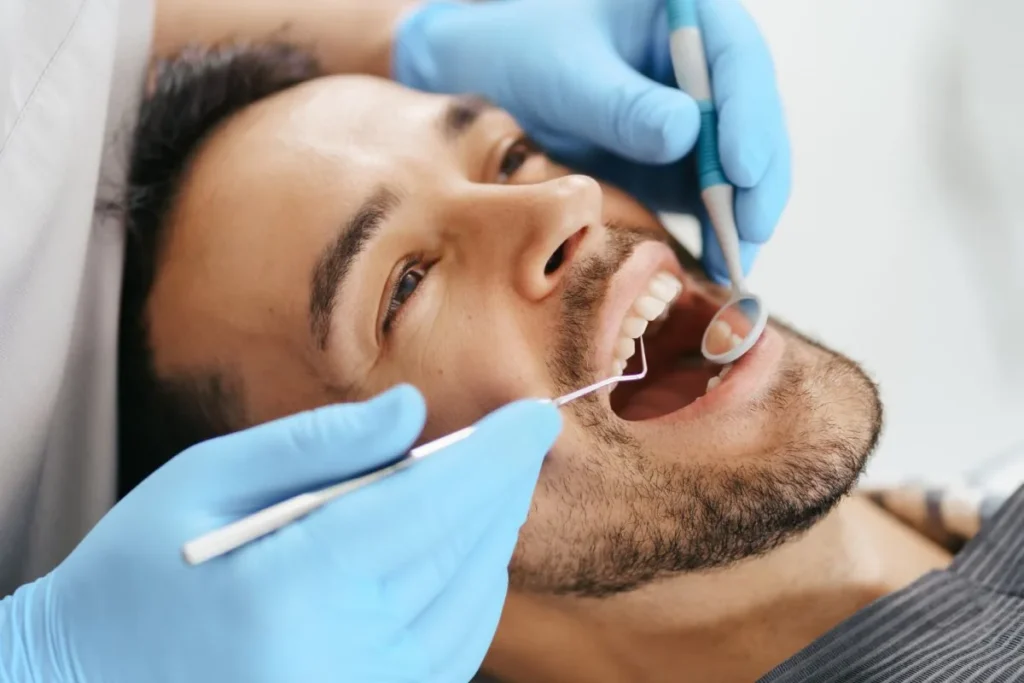
Risk Factors for Osteoporosis and Dental Issues
Several factors contribute to the development of osteoporosis and its impact on dental health, including:
Don't Delay Your Treatment
Let's create your personalised treatment plan right away with a complimentary consultation with our specialist dentists.
- Age: Bone density naturally decreases with age, increasing the risk of osteoporosis.
- Gender: Women, particularly postmenopausal women, are at a higher risk due to decreased estrogen levels.
- Genetics: A family history of osteoporosis increases the likelihood of developing the condition.
- Poor Nutrition: A diet lacking calcium and vitamin D can weaken bones and teeth.
- Smoking and Alcohol Consumption: Both habits can reduce bone density and negatively impact oral health.
- Certain Medications: Long-term use of corticosteroids can contribute to bone loss.
Preventing Osteoporosis-Related Dental Problems
While osteoporosis can affect dental health, there are steps you can take to protect both your bones and your teeth.
1. Maintain a Bone-Healthy Diet
A diet rich in calcium and vitamin D is essential for strong bones and teeth. Include foods such as:
- Dairy products (milk, cheese, yogurt)
- Leafy greens (kale, spinach)
- Almonds and sesame seeds
- Fatty fish (salmon, mackerel)
- Fortified cereals and orange juice
2. Engage in Regular Exercise
Weight-bearing exercises, such as walking, jogging, and strength training, help maintain bone density and overall health.
3. Avoid Smoking and Excessive Alcohol
Both smoking and heavy alcohol consumption can contribute to bone loss and gum disease, leading to oral health complications.
4. Practice Good Oral Hygiene
- Brush your teeth twice a day using fluoride toothpaste.
- Floss daily to prevent gum disease.
- Use an antibacterial mouthwash to reduce bacteria buildup.
5. Schedule Regular Dental Check-Ups
Routine visits to the dentist are crucial for early detection of osteoporosis-related dental issues. A dentist can assess changes in your jawbone density and recommend appropriate treatments.
Don't Delay Your Treatment
Let's create your personalised treatment plan right away with a complimentary consultation with our specialist dentists.

Treatment Options for Osteoporosis-Related Dental Problems
If osteoporosis has already impacted your oral health, several treatment options are available:
1. Dental Implants
For those who have lost teeth due to osteoporosis, dental implants can restore function and aesthetics. However, bone grafting may be necessary to strengthen the jawbone before implant placement.
2. Periodontal Treatment
Managing gum disease is essential for individuals with osteoporosis. Treatments such as deep cleaning, scaling, and root planing can help prevent further bone loss.
3. Bone Augmentation
In cases where the jawbone has significantly deteriorated, bone augmentation procedures can help regenerate lost bone and improve dental health.
4. Orthodontic Solutions
Misaligned teeth due to bone loss can be corrected with orthodontic treatment to ensure better stability and functionality.
Don't Delay Your Treatment
Let's create your personalised treatment plan right away with a complimentary consultation with our specialist dentists.
Protect Your Bone and Dental Health with Professional Care
Taking proactive steps to prevent osteoporosis can also help maintain strong teeth and gums. If you suspect that osteoporosis is affecting your oral health, seeking professional guidance is essential.
At Genç Dental, we offer specialized dental care tailored to individuals with osteoporosis. Our experts provide comprehensive treatments, from preventive care to advanced solutions like dental implants and bone augmentation, ensuring optimal oral health.
Contact us today to schedule an appointment and take control of your dental health.