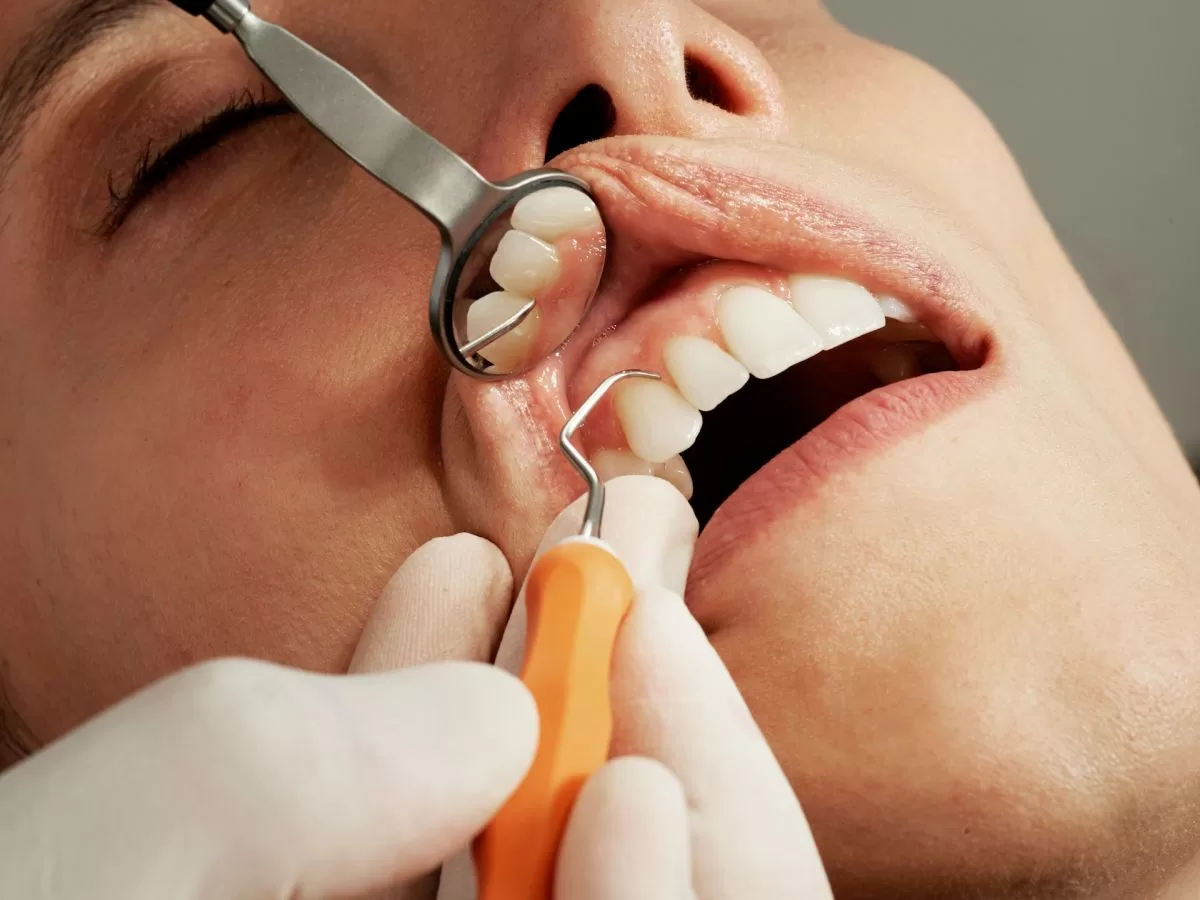
Welcome to the Dental Fillings 101! In this post we will go over the top techniques and materials used for tooth restoration. Whether you’re getting a filling or just want to learn more about the process, you’re in the right place. Let’s get started!
Types of Dental Fillings
There are several types of fillings. Each has its own pros and cons. Here are the most common:
Don't Delay Your Treatment
Let's create your personalised treatment plan right away with a complimentary consultation with our specialist dentists.
1. Amalgam Fillings
Amalgam fillings, also known as silver fillings, have been around for decades. They’re made from a mix of metals, including silver, tin, copper and mercury. Amalgam fillings are durable and affordable. But the silver color may not be pretty for some patients.
2. Composite Fillings
Composite fillings, also called tooth-colored fillings, are made from a mix of plastic and glass materials. They’re designed to match the color of your natural teeth, making them a popular choice for visible tooth restorations. Composite fillings are versatile and can be used for front and back teeth.
3. Ceramic Dental Fillings
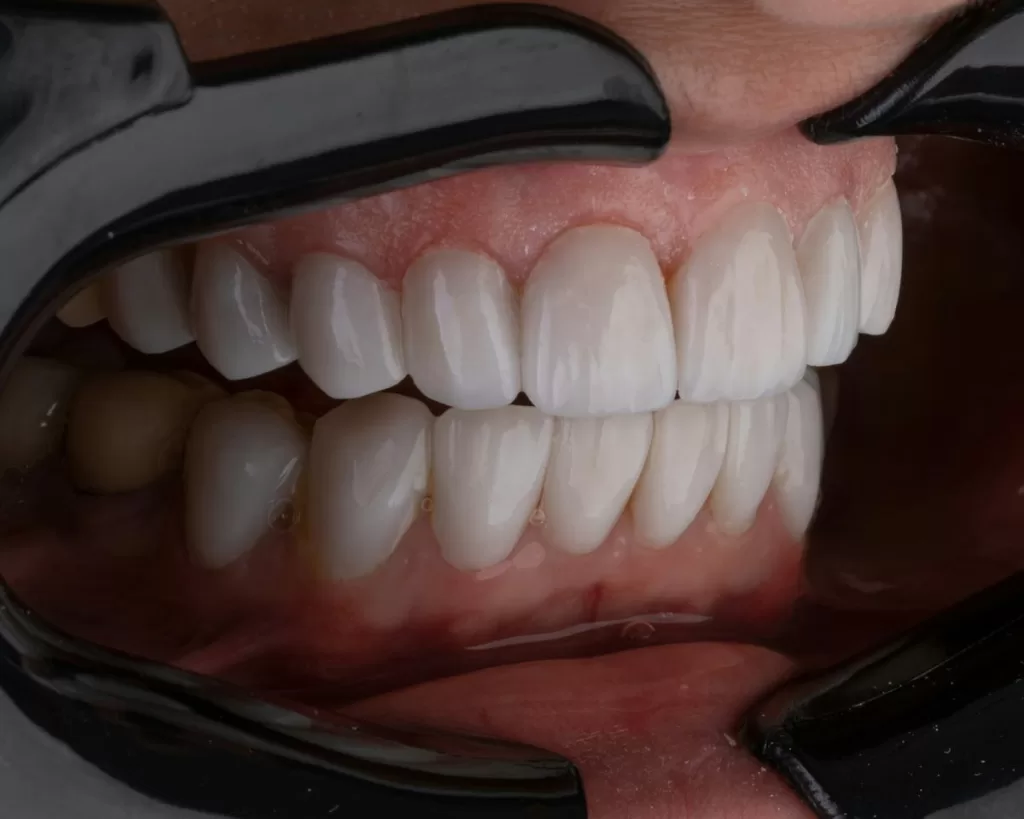
Ceramic fillings, also called porcelain fillings, are made from a high-strength dental ceramic material. They’re stain resistant and super aesthetic. Ceramic fillings are great for patients who want natural-looking restoration.
4. Gold Fillings
Gold fillings, as the name suggests, are made from gold alloy. They’re long lasting and strong. Gold dental fillings are often used for large restorations in areas of the mouth that are under heavy chewing forces. But their high cost and visibility may not be for everyone.
What to Choose
Choosing the right material for your dental filling is key to a successful restoration. Consider:
Don't Delay Your Treatment
Let's create your personalised treatment plan right away with a complimentary consultation with our specialist dentists.
1. Location of the Tooth
The location of the tooth determines what material to use. For example, composite fillings are used for visible teeth, amalgam or gold fillings for back teeth that are under heavy chewing forces.
2. Aesthetic Preferences
If you want aesthetics, tooth-colored fillings like composite or ceramic may be the way to go. These can be matched to the color of your natural teeth for a seamless restoration.
3. Allergies or Sensitivities
If you have known allergies or sensitivities to certain metals or materials, let your dentist know. They can recommend alternatives for you.
Procedure
Before the filling can be placed, your dentist will need to prepare the tooth. The preparation process involves:
1. Numbing the Area
Your dentist will give you a local anesthetic to numb the area around the tooth.
Don't Delay Your Treatment
Let's create your personalised treatment plan right away with a complimentary consultation with our specialist dentists.
2. Removing Decay
Next the dentist will remove the decayed or damaged tooth structure with a dental drill or other instruments. This step is important to prevent further decay and to have a clean surface for the filling.
3. Shaping the Tooth
After the decay is removed, the tooth may be shaped or etched to create a better bonding surface for the filling material. This step helps the restoration last longer.
Application Methods
Once the tooth is prepared, the filling material can be applied. The application method may vary depending on the type of filling material. Here are some common methods:
1. Layering Method
The layering method is used for composite dental fillings. The dentist will apply the composite in layers, using a curing light to harden each layer before adding the next. This allows for precise shaping and contouring of the filling.
2. Condensation Method
Amalgam fillings are placed with the condensation method. The dentist will pack the amalgam into the tooth, making sure it’s adapted and condensed for a strong restoration.
Don't Delay Your Treatment
Let's create your personalised treatment plan right away with a complimentary consultation with our specialist dentists.
3. Indirect Method
In some cases fillings are fabricated indirectly. This means taking impressions of the tooth and sending them to a dental laboratory for a custom made filling. The final restoration is then cemented onto the tooth during a separate appointment.
Curing Methods
Once the filling material is applied, it needs to be cured or hardened. Different materials have different curing methods. Here are some common methods:
1. Light Curing
Composite dentak fillings are cured with a special dental curing light. The light triggers a chemical reaction in the composite material that hardens and bonds to the tooth structure. Light curing is fast and easy.
2. Self-Curing
Some dental materials, like certain types of glass ionomer cement, are self-curing. These materials harden over time without needing external light or heat. Self-curing is useful when light curing isn’t possible.
Aftercare
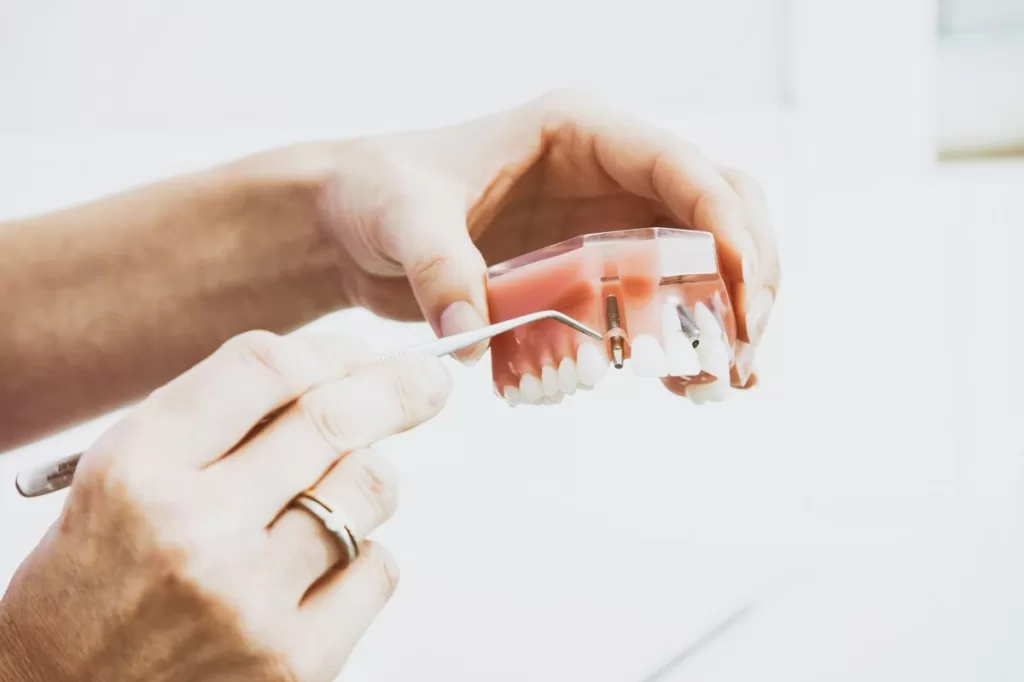
Proper aftercare is important to keep your filling lasting and strong. Here are some tips:
Don't Delay Your Treatment
Let's create your personalised treatment plan right away with a complimentary consultation with our specialist dentists.
1. Good Oral Hygiene
Brush your teeth at least twice a day and floss daily to remove plaque and prevent decay. Use a fluoride toothpaste to strengthen your teeth and prevent cavities.
2. Avoid Chewing Hard Foods
Avoid chewing on hard foods or objects that can damage your filling. This includes ice, hard candies and pen caps. Be mindful of your eating habits to not put unnecessary stress on the filling.
3. Visit Your Dentist
Regular check-ups are important to monitor your filling and overall oral health. Your dentist can catch any issues early and treat or adjust as needed.
Common Problems and Solutions
While fillings are generally successful, there can be some common problems that may occur. Here are a few and their solutions:
1. Tooth Sensitivity
Some patients may experience temporary tooth sensitivity after a filling. This is usually due to the tooth’s reaction to the filling material. Over the counter desensitizing toothpaste or fluoride rinses can help. If sensitivity persists or gets worse, see your dentist.
Don't Delay Your Treatment
Let's create your personalised treatment plan right away with a complimentary consultation with our specialist dentists.
2. Filling Falls Out
In rare cases a filling can fall out. If this happens, call your dentist immediately. Don’t chew on the tooth and keep it clean until you can see your dentist for a repair or replacement.
3. Decay Around the Filling
Although fillings are designed to prevent further decay, decay can still occur around the filling edges. Regular check-ups and good oral hygiene can help detect and prevent this. Your dentist may recommend replacing the filling if decay is found.
Cost of Dental Fillings
Costs vary depending on the type of filling material, size of the restoration and your location. Amalgam fillings are generally less expensive than composite or ceramic fillings. Dental insurance may cover part of the cost so check with your provider.
Benefits of Dental Fillings
Fillings have many benefits for patients who need a tooth restored. Here are a few:
1. Functionality
Fillings restore the function of damaged teeth so you can chew and speak properly.
Don't Delay Your Treatment
Let's create your personalised treatment plan right away with a complimentary consultation with our specialist dentists.
2. Aesthetics
Tooth colored fillings provide a natural looking restoration, to enhance your smile.
3. Prevention of Further Decay
By filling cavities fillings prevent further decay and potential complications such as tooth infections or abscesses.
4. Longevity
With proper care and regular check-ups fillings can last for many years, a durable solution for tooth restoration.
Other Options
In some cases fillings may not be the best option for tooth restoration. Depending on the severity of the tooth damage or decay your dentist may recommend other treatments such as:
1. Crowns
Crowns are tooth shaped caps that cover the entire visible portion of a damaged tooth. They provide maximum protection and strength for badly damaged teeth.
Don't Delay Your Treatment
Let's create your personalised treatment plan right away with a complimentary consultation with our specialist dentists.
2. Inlays or Onlays
Inlays and onlays are custom made restorations used when a tooth has moderate damage or decay. They are made from porcelain or composite and bonded to the tooth surface.
3. Implants
If a tooth is severely damaged or can’t be saved, an implant may be recommended. Implants are artificial tooth roots surgically placed into the jawbone and provide a base for a crown or bridge.
Now you know all about fillings, techniques, materials and aftercare you can make informed decisions about your oral health. Contact your dentist to find out the best treatment for you. Take care of your teeth and smile healthy!
Ready to Restore Your Smile with Genç Dental?
At Genç Dental®, we know how important a healthy beautiful smile is. Our oral health polyclinic established in 2015 has grown to serve not only our local community but also international patients, with expert care and personal touch. We have specialist physicians for every dental need and we continue to learn. We can provide you with top quality fillings and restorations. Don’t let dental problems hold you back any longer. Contact us today to book your appointment and start smiling confidently.