When we think about a “bad bite,” often the first image that comes to mind is crooked or crowded teeth, primarily an aesthetic concern. However, the term “malocclusion,” the dental term for a misaligned bite, encompasses far more than just cosmetic imperfections. It refers to any improper relationship between the upper and lower teeth when they meet. This can involve misaligned individual teeth, discrepancies in jaw size or position, or a combination of factors. While many seek orthodontic treatment for a more attractive smile, the implications of a misaligned bite extend deeply into overall dental health, function, and even comfort.
Ignoring a malocclusion, even one that doesn’t seem to cause immediate aesthetic worry, can set the stage for a cascade of dental problems over time. From excessive tooth wear and jaw pain to an increased risk of cavities and gum disease, the way your teeth come together (or don’t) plays a fundamental role in the longevity and health of your entire oral system. Understanding these connections is crucial for appreciating the importance of proper bite alignment and seeking timely intervention when needed.
Don't Delay Your Treatment
Let's create your personalised treatment plan right away with a complimentary consultation with our specialist dentists.
What Constitutes a Misaligned Bite (Malocclusion)?
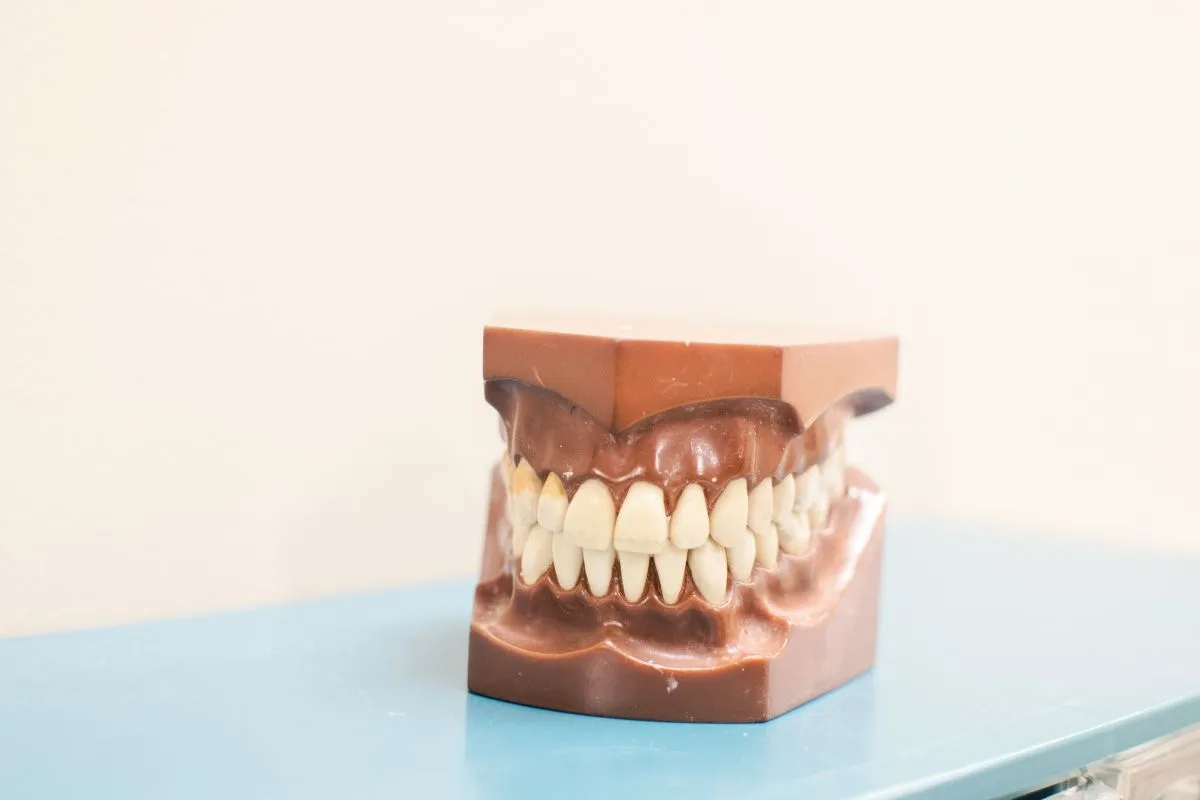
A “perfect” bite involves the upper teeth fitting slightly over the lower teeth, with the points of the molars fitting into the grooves of the opposing molars, creating an even distribution of chewing forces. Malocclusion occurs when this ideal relationship is disrupted. Common types include:
- Overbite (Deep Bite): The upper front teeth excessively overlap the lower front teeth.
- Underbite: The lower front teeth protrude in front of the upper front teeth.
- Crossbite: Some upper teeth sit inside the lower teeth when biting down (can be anterior or posterior).
- Open Bite: The front teeth (and sometimes back teeth) don’t meet at all when the back teeth are closed, leaving a visible gap.
- Crowding: Insufficient space in the jaw causes teeth to be rotated, overlapped, or pushed out of alignment.
- Spacing (Diastema): Gaps or spaces between teeth, which can be due to missing teeth, small teeth, or a large jaw.
- Protrusion (Buck Teeth): Upper front teeth stick out excessively.
The causes of malocclusion are varied, including genetics (inherited jaw size or tooth-to-jaw size discrepancies), prolonged thumb sucking or pacifier use, premature loss of baby teeth, impacted teeth, or even trauma.
The Ripple Effect: How an Improper Bite Impacts Oral Health
A misaligned bite isn’t just a static state; it creates ongoing functional challenges and stress points within the oral system. Here’s how it can negatively affect your dental health:
1. Uneven Tooth Wear (Attrition)
When teeth don’t meet properly, some teeth bear a disproportionate amount of the chewing forces. This concentrated pressure can lead to:
- Accelerated Enamel Wear: The hard, protective enamel on certain teeth erodes much faster than normal. This can lead to flattening of cusps, shortening of teeth, and exposure of the sensitive underlying dentin.
- Chipping and Fractures: Teeth subjected to excessive or misdirected forces are more prone to chipping, cracking, or even fracturing completely. This is especially true for teeth with existing large fillings.
- Notching at the Gum Line (Abfraction): Some theories suggest that abnormal bite forces can cause flexing at the neck of the tooth, leading to V-shaped notches in the enamel near the gum line, though this is a complex topic with multiple contributing factors.
This uneven wear not only affects the appearance of teeth but can also lead to significant sensitivity and the eventual need for restorative work like bonding, veneers, or crowns.
Don't Delay Your Treatment
Let's create your personalised treatment plan right away with a complimentary consultation with our specialist dentists.
2. Increased Risk of Cavities and Gum Disease
Crowded, overlapped, or rotated teeth are notoriously difficult to clean effectively. Plaque and food debris readily accumulate in these hard-to-reach areas, significantly increasing the risk of:
- Dental Caries (Cavities): Bacteria thrive in protected areas, producing acids that erode enamel. Proper brushing and flossing become a challenge.
- Gingivitis and Periodontitis: Plaque buildup at the gum line leads to inflammation (gingivitis). If not addressed, this can progress to periodontitis, a more severe form of gum disease involving bone loss and potential tooth loss. Correcting alignment is often a key component of managing certain types of periodontal gum diseases.
Even teeth that appear straight but have a poor bite relationship can create areas where food impaction occurs, leading to localized gum irritation and decay.
3. Temporomandibular Joint (TMJ) Disorders and Muscle Pain
A misaligned bite can force the jaw to function in an unnatural or strained position to achieve proper chewing. This can put significant stress on the temporomandibular joints (the hinge joints connecting your jaw to your skull) and the surrounding muscles of mastication. Over time, this can contribute to TMJ disorders, characterized by symptoms like:
- Jaw pain or tenderness
- Clicking, popping, or grating sounds in the jaw joint
- Difficulty opening or closing the mouth (limited range of motion)
- Headaches (often tension-type)
- Earaches or ringing in the ears (tinnitus)
- Facial pain or muscle soreness
While TMJ disorders are multifactorial, malocclusion is often considered a contributing or exacerbating factor. Sometimes, treating issues related to jaw joint problems (TMJ disorders) involves correcting the bite.
4. Difficulties with Chewing and Digestion
An improper bite can make it difficult to chew food thoroughly. If you can’t grind your food effectively, you might swallow larger pieces, potentially leading to digestive discomfort. Certain types of malocclusion, like an open bite, can make it challenging to bite into foods like sandwiches or apples.
Don't Delay Your Treatment
Let's create your personalised treatment plan right away with a complimentary consultation with our specialist dentists.
5. Speech Difficulties
The precise positioning of teeth plays a role in articulation. Certain types of malocclusion, particularly those involving the front teeth (like open bites or severe protrusions), can interfere with the correct pronunciation of some sounds, leading to lisps or other speech impediments.
6. Increased Risk of Dental Trauma
Protruding upper front teeth (“buck teeth”) are more susceptible to injury from falls, sports accidents, or other facial trauma simply because they are more exposed.
7. Psychological and Social Impact
While not a direct physical health effect, the aesthetic appearance of a severely misaligned bite can impact self-esteem and confidence, leading to social anxiety or reluctance to smile freely. This can have a significant effect on overall quality of life.
Addressing the Imbalance: Treatment Options for Malocclusion
Fortunately, modern dentistry and orthodontics offer a range of effective solutions to correct a misaligned bite, thereby preventing or mitigating its associated health problems. The best treatment depends on the type and severity of the malocclusion, the patient’s age, and their specific goals.
1. Orthodontic Treatment
This is the most common approach for correcting bite misalignments. Options within orthodontics include:
Don't Delay Your Treatment
Let's create your personalised treatment plan right away with a complimentary consultation with our specialist dentists.
- Traditional Braces: Metal or ceramic brackets are bonded to teeth, and wires are used to gradually guide teeth into their proper positions. Highly effective for a wide range of complex cases.
- Clear Aligners: A series of custom-made, removable transparent trays that incrementally shift teeth. A popular aesthetic option for many mild to moderate cases.
- Lingual Braces: Brackets and wires placed on the *back* surfaces of teeth, making them virtually invisible.
- Functional Appliances: Often used in growing children and adolescents to guide jaw growth and correct bite discrepancies related to jaw imbalances.
Orthodontic treatment not only improves aesthetics but critically establishes a healthier, more functional bite relationship.
2. Restorative Dentistry
In some cases, especially where tooth wear or damage has already occurred due to malocclusion, restorative treatments may be needed in conjunction with or after orthodontic correction:
- Dental Bonding: Can repair minor chips and wear.
- Dental Crowns: Used to restore heavily worn, cracked, or fractured teeth, providing strength and proper shape. Some complex bite reconstructions may involve multiple crowns as part of prosthodontics.
- Veneers: Can improve the appearance of worn or slightly misaligned front teeth.
3. Orthognathic Surgery (Jaw Surgery)
For severe malocclusions caused by significant skeletal discrepancies (jaw size or position issues) that cannot be fully corrected with orthodontics alone, particularly in non-growing adults, orthognathic surgery may be recommended. This involves surgically repositioning the upper jaw, lower jaw, or chin to achieve proper alignment. It is usually performed in conjunction with orthodontic treatment before and after surgery.
4. Management of TMJ Symptoms
If TMJ pain is a significant issue, treatments might include bite splints or night guards, physical therapy, medications, or stress management techniques, sometimes alongside bite correction.
The Importance of Early Detection and Intervention
The American Association of Orthodontists recommends an initial orthodontic screening for children by age 7. This allows an orthodontist to identify developing bite problems early, even before all permanent teeth have erupted. Early intervention (interceptive orthodontics) can sometimes guide jaw growth, create space for erupting permanent teeth, and reduce the complexity or duration of later treatment. However, it’s never too late to address a misaligned bite; adults can also achieve significant improvements in both aesthetics and function through orthodontic and other dental dental treatments.
Don't Delay Your Treatment
Let's create your personalised treatment plan right away with a complimentary consultation with our specialist dentists.
Conclusion: A Healthy Bite is the Foundation of a Healthy Smile
A misaligned bite is far more than an aesthetic issue; it’s a functional problem that can significantly undermine your long-term dental health. By creating uneven forces, making oral hygiene more challenging, and potentially straining jaw joints and muscles, malocclusion contributes to a host of preventable problems, including excessive tooth wear, cavities, gum disease, and TMJ discomfort. Recognizing the signs of an improper bite and understanding its potential consequences is the first step toward seeking appropriate care.
Whether through orthodontic treatment, restorative dentistry, or a combination of approaches, correcting a misaligned bite is an investment in the health, longevity, and comfort of your smile. It’s about restoring balance to your oral system, allowing your teeth and jaws to function harmoniously as nature intended.
Achieve a Balanced Bite with Genç Dental
Concerned about your bite or the alignment of your teeth? At Genç Dental, we understand the profound impact that a properly aligned bite has on overall dental health and well-being. Our experienced team offers comprehensive evaluations to assess your occlusion and can guide you through the most effective treatment options, whether it’s state-of-the-art orthodontic solutions, restorative procedures, or collaborative care for TMJ-related concerns.
We are committed to helping you achieve not just a beautiful smile, but a healthy, functional, and comfortable bite that will serve you well for years to come. Contact Genç Dental today to schedule your consultation. Let us help you explore the path to a more balanced and healthier smile.