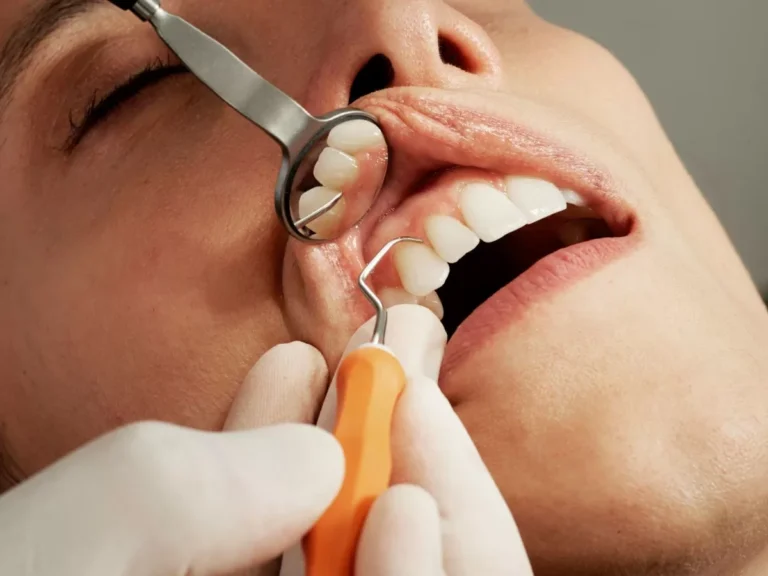
A dental crown is a significant investment in your oral health and the appearance of your smile. When a tooth is damaged by extensive decay, a large fracture, or has undergone root canal therapy, a crown (often called a cap) acts as a protective helmet, restoring its shape, size, strength, and function. Given their important role and the procedure involved, a common and crucial question patients ask is: “How long will my dental crown last?” While there’s no single definitive answer that applies to everyone, understanding the factors that influence a crown’s lifespan can help you set realistic expectations and take steps to maximize its durability.
Modern dental crowns are crafted from robust materials designed to withstand the daily rigors of biting and chewing. However, they are not indestructible and, like natural teeth, are subject to wear and potential complications over time. The longevity of a crown depends on a complex interplay of material choice, the skill of the dentist, the health of the underlying tooth and supporting structures, and, most importantly, your long-term oral hygiene and lifestyle habits. Let’s explore these factors and what the science says about the lifespan of these vital dental restorations.
Don't Delay Your Treatment
Let's create your personalised treatment plan right away with a complimentary consultation with our specialist dentists.
Understanding Dental Crowns: A Quick Refresher
Before discussing longevity, let’s briefly recap what a dental crown is. It’s a custom-made tooth-shaped covering that encases the entire visible portion of a tooth above the gum line. Crowns are used to:
- Restore a tooth that is severely worn down or broken.
- Protect a weak tooth (e.g., from extensive decay) from fracturing.
- Support a tooth with a very large filling when there isn’t enough natural tooth remaining.
- Hold a dental bridge in place.
- Cover a dental implant.
- Improve the appearance of a misshapen or severely discolored tooth.
- Protect a tooth after endodontics (root canal treatment), as these teeth become more brittle.
The procedure typically involves preparing (reshaping) the natural tooth, taking an impression, and then fabricating the crown in a dental laboratory or sometimes chairside using CAD/CAM technology. The crown is then permanently cemented onto the prepared tooth.
Factors Influencing the Lifespan of a Dental Crown
Several key variables play a role in determining how long your dental crown will serve you well:
1. Material of the Crown
Crowns can be made from various materials, each with different properties affecting durability:
- Metal Crowns (e.g., Gold Alloy, Base Metal Alloys): Extremely durable and resistant to wear and fracture. They require less natural tooth removal. However, their metallic color makes them less popular for visible teeth. Often used for molars.
- Porcelain-Fused-to-Metal (PFM) Crowns: Offer a good balance of strength (from the metal substructure) and aesthetics (from the porcelain overlay). However, the porcelain can sometimes chip or wear over time, and a dark metal line may become visible at the gum line if gums recede.
- All-Ceramic or All-Porcelain Crowns: Provide the best natural tooth-like appearance and are an excellent choice for front teeth. Modern ceramics (like zirconia and E-max) offer significantly improved strength, making them suitable for molars too. While aesthetically superior, some older or less robust ceramics might be more prone to fracture under extreme biting forces than metal or PFM. High-quality zirconium crowns are known for their exceptional strength and aesthetics.
- All-Resin Crowns: Less expensive but also less durable and more prone to wear and fracture than other types. They are often used as temporary crowns.
2. Oral Hygiene and Maintenance Habits
This is arguably the most critical factor you can control. Even the best-made crown can fail if the underlying tooth or surrounding gums are not kept healthy:
Don't Delay Your Treatment
Let's create your personalised treatment plan right away with a complimentary consultation with our specialist dentists.
- Brushing and Flossing: Diligent daily cleaning is essential to prevent decay from forming at the margin (edge) where the crown meets the natural tooth. This is a common site for failure.
- Regular Dental Check-ups and Cleanings: Professional cleanings remove plaque and tartar that you can’t. Your dentist will also regularly examine the crown, its margins, and the underlying tooth during these visits, which are part of routine general dentistry.
3. Condition of the Underlying Tooth and Supporting Structures
The health of the tooth *under* the crown is paramount. If new decay develops at the margin and creeps under the crown, the crown will eventually fail. Similarly, the health of the gums and bone supporting the crowned tooth is vital. Advanced gum disease leading to bone loss can compromise the tooth’s stability, regardless of the crown.
4. Bite Forces and Habits (Parafunction)
- Bruxism (Teeth Grinding/Clenching): The excessive, non-functional forces generated by bruxism can put immense stress on crowns, potentially leading to cracks, fractures (of the crown or opposing teeth), or loosening. Wearing a custom nightguard is crucial if you grind your teeth.
- Chewing Habits: Regularly chewing on very hard items like ice, hard candies, pens, or using teeth as tools can damage crowns.
- Bite Alignment: A well-balanced bite distributes forces evenly. If the crown is “high” or your bite is misaligned, it can put undue stress on the crowned tooth.
5. Skill and Technique of the Dentist
The precision with which the tooth is prepared, the accuracy of the impression, the quality of the laboratory fabrication (if applicable), and the meticulousness of the cementation process all play a significant role in the crown’s fit, seal, and ultimate longevity. A well-fitting crown with tight margins is less likely to allow leakage and decay.
6. Location of the Tooth
Crowns on back teeth (molars) generally experience greater chewing forces than those on front teeth and may be subject to more wear and stress.
So, What’s the Average Lifespan?
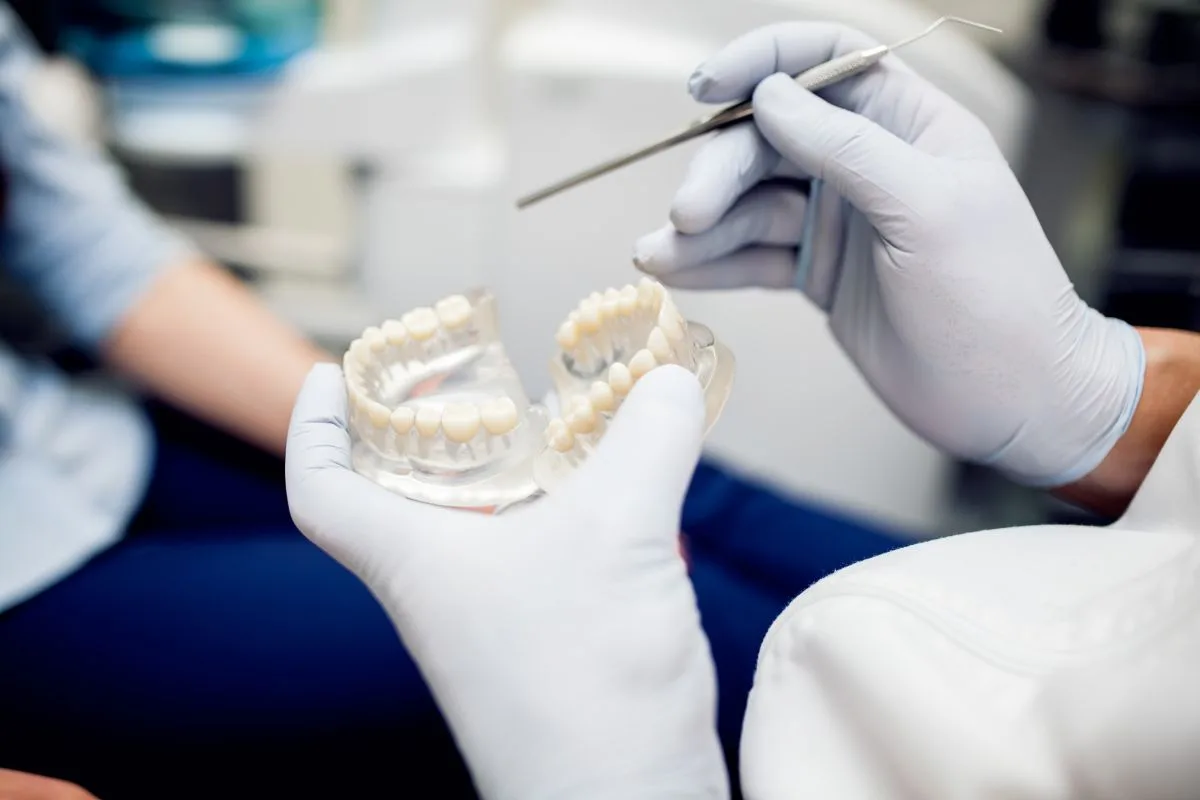
Considering all these variables, dental crowns generally last between **5 to 15 years**. However, it’s not uncommon for well-maintained crowns, especially those made of durable materials like gold or modern high-strength ceramics, to last **20-30 years or even longer.** Conversely, a crown might fail sooner if oral hygiene is poor, if subjected to extreme forces, or if new decay develops at the margin.
It’s less about a fixed expiry date and more about ongoing assessment and care. “Failure” doesn’t always mean the crown falls off; it can also mean it’s no longer providing adequate protection or has developed a problem that compromises the tooth’s health.
Don't Delay Your Treatment
Let's create your personalised treatment plan right away with a complimentary consultation with our specialist dentists.
Signs Your Dental Crown May Need Replacement
Be aware of these potential indicators that your crown might need attention:
- Pain or Sensitivity: New or worsening sensitivity to hot, cold, or sweets in a crowned tooth, or pain when biting, could signal decay under the crown, a crack in the tooth, or an issue with the nerve.
- Visible Damage: Cracks, chips, or significant wear on the crown material itself.
- Gum Line Issues:
- A dark line appearing at the gum line (common with older PFM crowns as gums recede).
- Gum inflammation, redness, swelling, or bleeding specifically around the crowned tooth can indicate plaque buildup, a poorly fitting margin, or gum disease.
- Looseness: If the crown feels loose or wobbly, the cement may have failed, or there might be an issue with the underlying tooth. This requires immediate attention to prevent bacteria from seeping underneath.
- Bad Odor or Taste: A persistent foul smell or taste around a crowned tooth could indicate leakage and bacterial activity under the crown.
- Aesthetics: Over time, your natural teeth might change color, making an older crown no longer match aesthetically. Or, you might simply desire an upgrade to a more natural-looking material. This is particularly relevant if considering broader cosmetic enhancements under aesthetic dentistry.
- Receding Gums: As gums recede, the margin of the crown might become exposed, which can be unsightly and sometimes lead to sensitivity or an increased risk of decay at the root surface.
If you notice any of these signs, schedule a dental visit for an evaluation.
Maximizing the Lifespan of Your Dental Crown
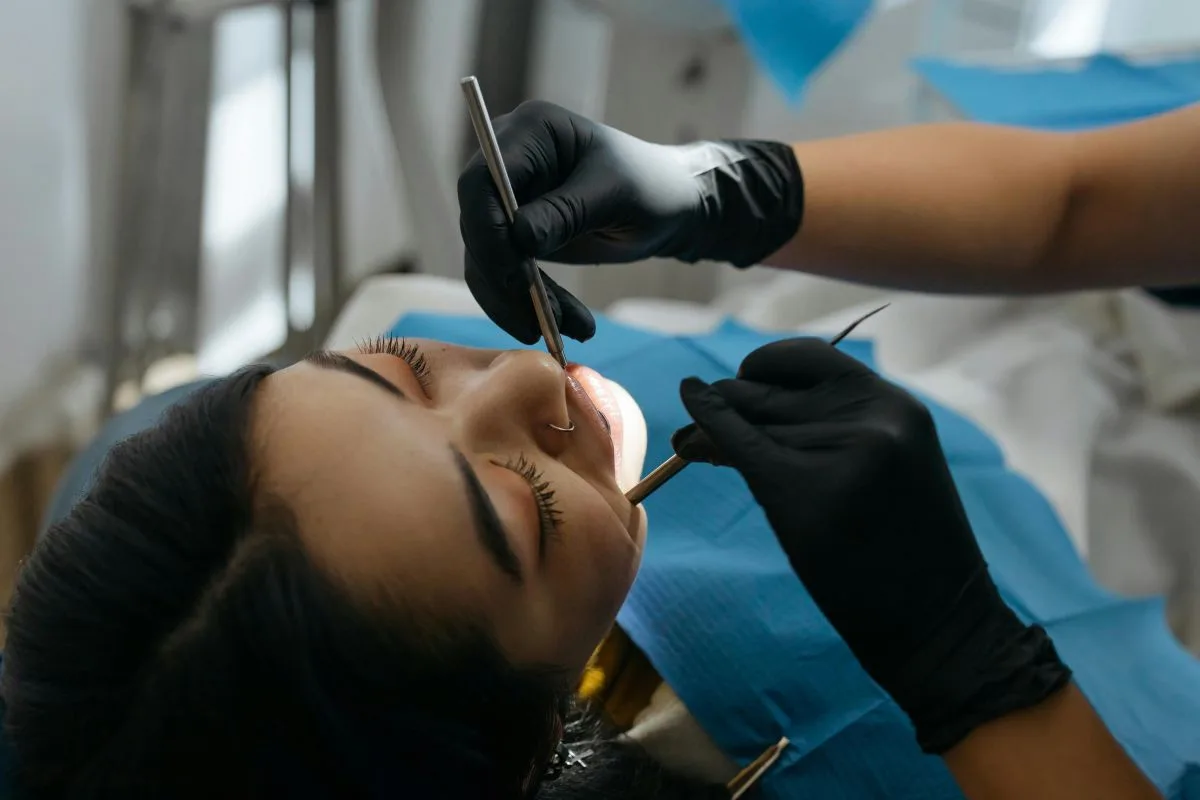
You play a significant role in how long your crown lasts. Follow these tips:
- Practice Meticulous Oral Hygiene: Brush twice daily with fluoride toothpaste and, crucially, floss daily, paying special attention to cleaning around the margin of the crown where it meets the gum. Consider using an interdental brush if spaces allow.
- Attend Regular Dental Check-ups and Cleanings: Visit your dentist as recommended (usually every six months). They will professionally clean your teeth and examine your crown for any early signs of problems.
- Avoid Chewing Extremely Hard or Sticky Foods on the Crown: While crowns are strong, treat them with care. Avoid biting ice, hard candies, or very sticky foods that could potentially dislodge or fracture the crown.
- Wear a Nightguard if You Grind Your Teeth (Bruxism): If your dentist diagnoses bruxism, a custom-fitted nightguard is essential to protect your crown (and natural teeth) from excessive forces.
- Don’t Use Your Teeth as Tools: Avoid opening packages or bottles with your teeth.
- Address Problems Promptly: If you notice any pain, sensitivity, looseness, or damage to your crown, contact your dentist immediately. Early intervention can often prevent more significant issues.
Sometimes, despite best efforts, a crowned tooth might experience further problems unrelated to the crown itself, such as the need for impacted teeth removal if an adjacent wisdom tooth causes issues, but the crown itself can often be maintained.
Conclusion: A Dental Crown is a Commitment to Long-Term Care
While dental crowns are not a “forever” solution, they are designed to be highly durable and can last for many years, significantly extending the life and function of a damaged tooth. Their longevity is a partnership between the quality of the dental work, the material chosen, and, most critically, your commitment to excellent oral hygiene and regular professional care. By understanding the factors that influence crown lifespan and taking proactive steps to care for your crowned tooth, you can maximize its service and enjoy the benefits of a restored, functional, and confident smile for a long time.
Don't Delay Your Treatment
Let's create your personalised treatment plan right away with a complimentary consultation with our specialist dentists.
If you have questions about an existing crown or are considering one, a thorough discussion with your dentist will provide the personalized information you need to make informed decisions about your oral health.
Considering a Dental Crown? Consult the Experts at Genç Dental
Whether you have an existing dental crown you’re concerned about or you’ve been told you might need one, the experienced team at Genç Dental is here to provide expert evaluation and state-of-the-art treatment. We use high-quality materials and meticulous techniques to ensure your crowns are not only aesthetically pleasing but also durable and long-lasting. We take the time to discuss material options, the procedure, and how to care for your crown to maximize its lifespan.
Your long-term oral health is our priority. Contact Genç Dental today to schedule a consultation. Let us help you understand your options and provide the exceptional dental care you deserve for a healthy, resilient smile.