Smoking is a habit that goes beyond just affecting the lungs and heart—it also significantly impacts oral health. The consequences of smoking on teeth and gums are severe, and can lead to long-term issues like tooth decay, gum disease, and even tooth loss. These oral health problems often go unnoticed until they’ve caused irreversible damage. But there is hope. In this article, we’ll explore the ways smoking affects your oral health and share effective tips for recovery, so you can regain and maintain a healthy smile.
The Impact of Smoking on Your Teeth
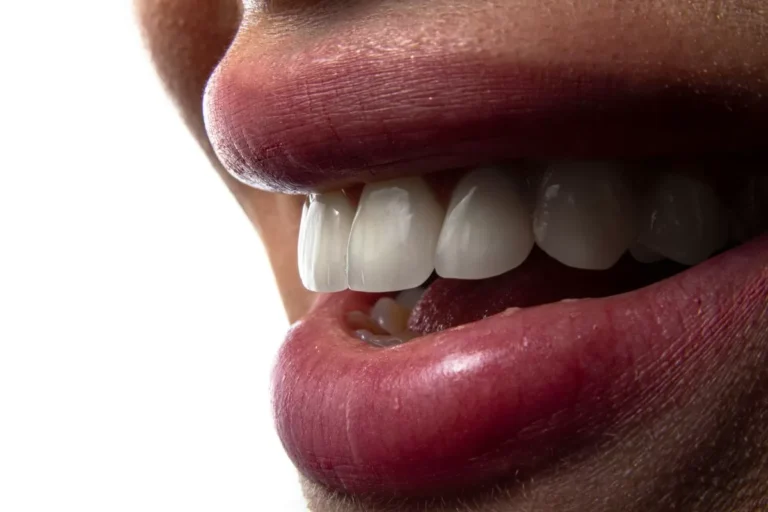
One of the most obvious effects of smoking on teeth is discoloration. Nicotine and tar, which are found in cigarettes, can adhere to the surface of your teeth and cause yellowish or brownish stains. Over time, these stains can become more pronounced and challenging to remove with regular brushing.
Don't Delay Your Treatment
Let's create your personalised treatment plan right away with a complimentary consultation with our specialist dentists.
In addition to staining, smoking significantly increases your risk of developing cavities. The chemicals found in tobacco products promote the growth of bacteria in the mouth. These bacteria can produce acids that erode enamel, leading to tooth decay. Smoking also reduces the mouth’s ability to produce saliva, which is essential in neutralizing acids and washing away food particles and bacteria.
Furthermore, smokers are more likely to develop plaque buildup and tartar. Plaque, a sticky film of bacteria, is much harder to remove for smokers. If plaque isn’t cleaned off regularly, it hardens into tartar, which can only be removed by a dentist. Tartar buildup contributes to tooth decay and gum disease, and makes it more difficult to maintain a clean and healthy smile.
The Effects of Smoking on Your Gums
When it comes to gum health, smoking can be incredibly damaging. Smoking weakens the body’s immune response, making it more difficult to fight off infections, including gum disease. The chemicals in cigarettes also hinder blood flow to the gums, which slows down the healing process and can increase the risk of gum recession and tooth loss.
Gum disease, also known as periodontal disease, is a serious condition that begins with gingivitis—an inflammation of the gums. If not treated, it can progress to periodontitis, a more severe form of gum disease that can cause permanent damage to the bone structure of your teeth. Smokers are at a much higher risk of developing gum disease, and studies have shown that smoking is one of the most significant risk factors for this condition.
Additionally, smokers often have a reduced sense of taste and smell, which can cause them to overlook gum issues until they have become more serious. By the time symptoms such as gum bleeding, swelling, or bad breath appear, the damage may already be extensive.
Don't Delay Your Treatment
Let's create your personalised treatment plan right away with a complimentary consultation with our specialist dentists.
Increased Risk of Oral Cancer
Oral cancer is another grave risk for smokers. Smoking is the leading cause of mouth cancer, throat cancer, and esophageal cancer. The carcinogens in tobacco products can damage the cells in the mouth and throat, leading to the formation of cancerous lesions. Oral cancer often develops without significant pain, which means that early detection can be difficult for smokers.
It is essential to be vigilant for any signs of oral cancer, such as unexplained pain, difficulty swallowing, or sores that do not heal. Regular dental checkups are crucial for early detection of these symptoms, and dental professionals are trained to spot potential signs of oral cancer before they become serious health problems.
What You Can Do to Recover from the Effects of Smoking
The good news is that it’s never too late to start reversing some of the damage caused by smoking. Here are several strategies to help improve your oral health and recovery from the harmful effects of smoking:
1. Quit Smoking
The first and most important step toward recovery is to quit smoking. Smoking cessation has immediate benefits for your oral health. Within days of quitting, your blood circulation improves, and the healing process for your gums and oral tissues begins. Over time, your gum health improves, and the risk of developing oral cancer, gum disease, and other complications decreases.
If you’re finding it difficult to quit, consider seeking professional help. Counseling, nicotine replacement therapy, and support groups can increase your chances of quitting successfully.
Don't Delay Your Treatment
Let's create your personalised treatment plan right away with a complimentary consultation with our specialist dentists.
2. Schedule Regular Dental Checkups
For smokers, regular dental visits are crucial to monitor oral health and detect any early signs of gum disease, tooth loss, or oral cancer. A dentist can clean your teeth, remove tartar buildup, and provide early interventions to stop minor issues from becoming serious problems.
If you haven’t been to the dentist recently, it’s important to make an appointment as soon as possible. Your dentist will examine your gums for signs of disease and check for any abnormalities that could indicate oral cancer. If necessary, your dentist may also perform a professional whitening treatment to remove stains caused by smoking.
3. Adopt a Comprehensive Oral Hygiene Routine
One of the best ways to recover from smoking-related oral health problems is to adopt a thorough oral hygiene routine. Brushing your teeth at least twice a day with fluoride toothpaste and flossing daily can help reduce plaque buildup, remove food particles, and fight bacteria. Additionally, using an antibacterial mouthwash can help prevent gum disease by killing harmful bacteria in the mouth.
If you’re struggling with bad breath caused by smoking, using a tongue scraper in addition to brushing your teeth can help eliminate odor-causing bacteria that accumulate on your tongue.
4. Get Professional Teeth Whitening
Smoking causes significant staining of teeth, which can be difficult to remove through regular brushing. Professional teeth whitening treatments can effectively lighten teeth and remove stubborn stains caused by nicotine and tar. A dentist can offer several options for whitening your teeth, including in-office treatments and at-home whitening kits.
Don't Delay Your Treatment
Let's create your personalised treatment plan right away with a complimentary consultation with our specialist dentists.
While teeth whitening treatments can significantly improve the appearance of your smile, it’s important to maintain proper oral hygiene afterward to prevent stains from returning.
5. Drink Plenty of Water
Smoking can lead to dry mouth, which makes it more difficult to produce saliva and wash away harmful bacteria. To help counteract this, it’s important to drink plenty of water throughout the day. Water helps keep the mouth hydrated, stimulates saliva production, and flushes out food particles and bacteria. Staying hydrated can also help prevent bad breath, a common issue for smokers.
6. Consider Gum Grafting for Receding Gums
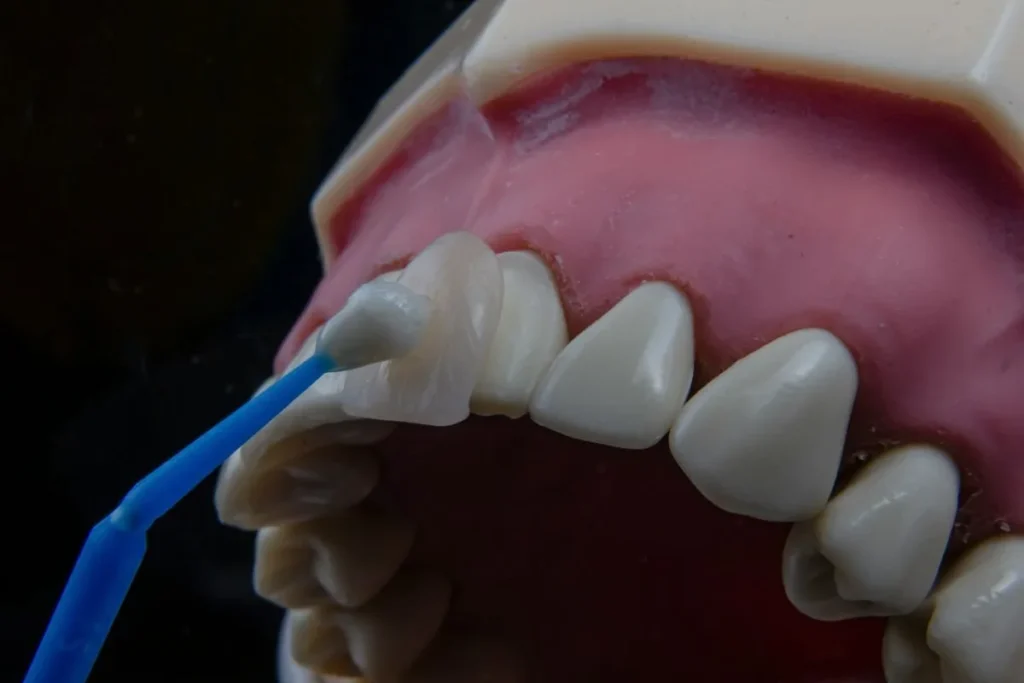
For smokers who have experienced gum recession, gum grafting is a surgical procedure that can help restore lost gum tissue. Gum grafting involves taking tissue from another area of the mouth and attaching it to the affected area to cover exposed tooth roots and restore gum health.
Although quitting smoking can help prevent further gum recession, gum grafting may be necessary to correct the damage already done. A dentist or periodontist can determine if gum grafting is right for you.
Conclusion
Smoking is one of the most harmful habits for your oral health, but with the right steps, you can begin the recovery process and improve the health of your teeth and gums. Quitting smoking, maintaining good oral hygiene, scheduling regular dental checkups, and seeking professional treatments are all essential components of a successful recovery plan. By prioritizing your oral health, you can ensure a brighter, healthier smile for years to come.
Don't Delay Your Treatment
Let's create your personalised treatment plan right away with a complimentary consultation with our specialist dentists.
Empower Your Smile with Genç Dental
At Genç Dental®, we understand the challenges smokers face when it comes to oral health. Our team of specialists is here to help you recover from the effects of smoking with personalized care and treatment options. Whether you need teeth whitening, gum disease treatment.