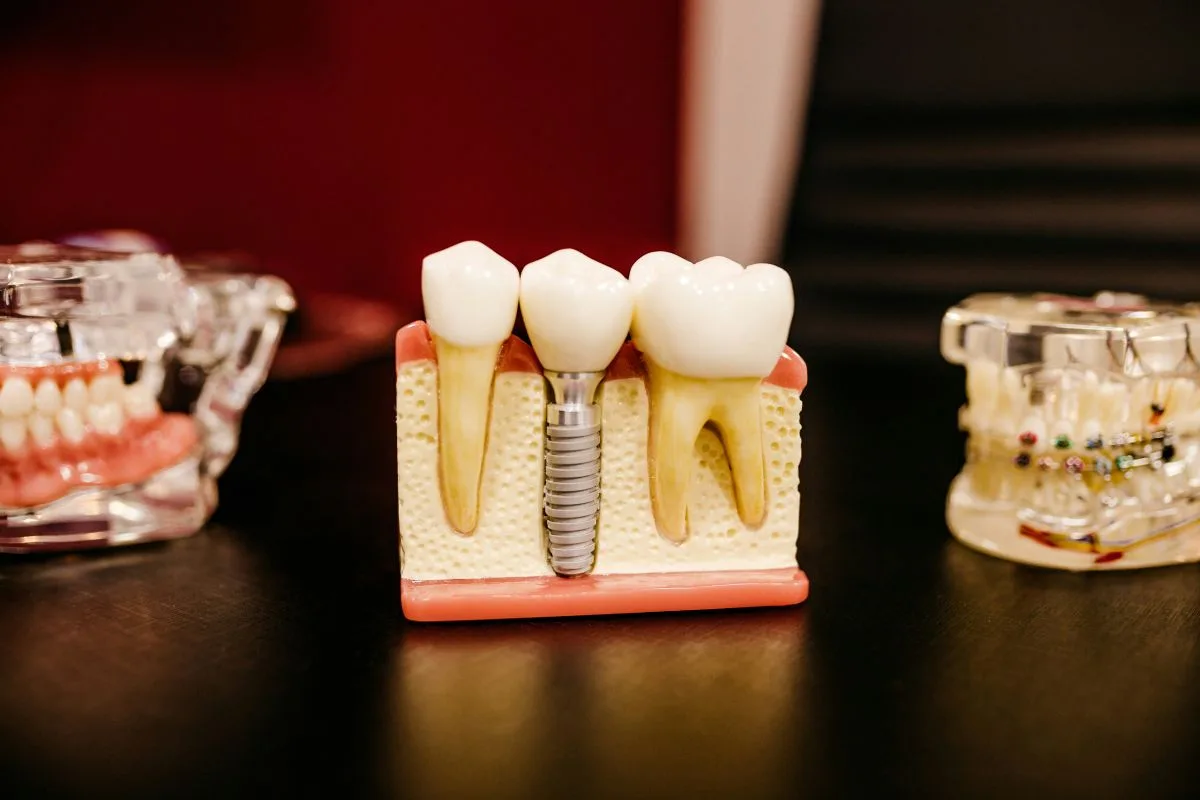
Dental implants are an excellent solution for replacing missing teeth. They are durable, look natural, and function just like your own teeth. However, just like natural teeth, dental implants require proper care to ensure they remain healthy and functional for years to come. The longevity of your dental implants depends largely on how well you take care of them over time. In this article, we will explore how to care for your dental implants long-term, providing you with practical tips and expert advice to ensure that your implants remain in optimal condition for many years.
Understanding Dental Implants
Before diving into the details of how to care for dental implants, it’s important to understand what they are and how they work. Dental implants are titanium posts that are surgically placed into your jawbone to replace the roots of missing teeth. Once the implants are integrated with the bone (a process called osseointegration), they serve as the foundation for replacement teeth, such as crowns, bridges, or dentures. Dental implants are designed to mimic the function and appearance of natural teeth, making them an excellent option for restoring a full, healthy smile.
Don't Delay Your Treatment
Let's create your personalised treatment plan right away with a complimentary consultation with our specialist dentists.
If you’re considering dental implants, it’s essential to understand the process. Learn more about the stages of dental implant placement on our website, which can help clarify the process and address any concerns.
Why Care for Your Dental Implants is Essential
While dental implants are highly durable and can last a lifetime with proper care, neglecting their maintenance can lead to complications. Without the right care, the surrounding gum tissue and bone may become compromised, leading to implant failure. Additionally, poor oral hygiene can cause infection or inflammation around the implant, which can undermine its stability and functionality.
Therefore, ensuring long-term care of your dental implants is crucial for maintaining both their appearance and functionality. Let’s explore the key practices you need to follow to care for your dental implants over time.
Daily Oral Hygiene Routine
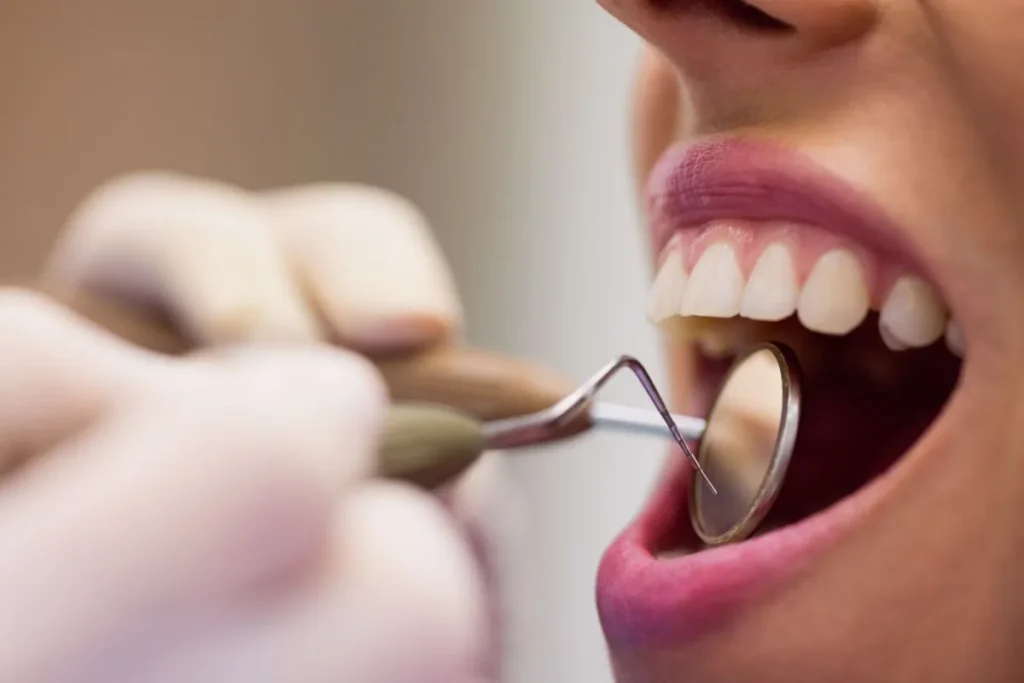
Just like your natural teeth, your dental implants require regular cleaning to prevent the buildup of plaque and bacteria. The best way to protect your implants is to maintain a consistent oral hygiene routine. Here are the key steps to follow:
1. Brush Your Teeth Twice a Day
Brushing your teeth twice a day is essential for removing food particles, plaque, and bacteria from the surface of your implants. Use a soft-bristled toothbrush to avoid damaging the gum tissue or the implant. Be sure to brush the entire implant and surrounding gum area, paying extra attention to the area where the implant meets the gum line.
Don't Delay Your Treatment
Let's create your personalised treatment plan right away with a complimentary consultation with our specialist dentists.
2. Use Non-Abrasive Toothpaste
When choosing toothpaste, make sure it’s non-abrasive to avoid scratching the surface of the implant. Toothpaste with a high level of abrasiveness can wear down the material of the implant and may contribute to gum recession. A fluoride toothpaste is typically a good choice, as fluoride helps strengthen your teeth and gums.
3. Floss Daily
Flossing is essential for cleaning between your dental implants and natural teeth. Plaque can accumulate in the small spaces between your teeth and implants, leading to gum disease if left untreated. Special floss threaders or implant-specific floss can help make the process easier, ensuring you effectively clean between your implants and adjacent teeth.
4. Use an Antimicrobial Mouthwash
Using an antimicrobial or antiseptic mouthwash can help reduce the risk of infection around your dental implants. Mouthwash helps remove bacteria from hard-to-reach areas and reduces plaque buildup. Look for a mouthwash with no alcohol to avoid irritating the gums and implant site.

Regular Dental Check-ups
Even though you are responsible for your dental hygiene at home, regular visits to your dentist are essential for maintaining the health of your dental implants. Routine dental check-ups allow your dentist to monitor the health of your implants, gums, and surrounding bone structure. Regular professional cleanings are also necessary to remove tartar buildup that can’t be removed with regular brushing and flossing.
1. Professional Cleanings
During your dental check-up, your dentist or hygienist will perform a professional cleaning to remove plaque and tartar from your implants and natural teeth. This helps prevent gum disease and ensures that your implants remain free from harmful bacteria. In some cases, your dentist may also recommend a deep cleaning if there is any sign of infection or inflammation around the implants.
Don't Delay Your Treatment
Let's create your personalised treatment plan right away with a complimentary consultation with our specialist dentists.
2. X-Rays and Exam
Your dentist may take periodic X-rays to monitor the condition of the bone surrounding your dental implants. X-rays help identify any issues such as bone loss, infection, or changes in the alignment of the implant. Early detection of potential problems can help prevent more severe complications later on. It’s important to understand how successful dental implant procedures rely on the health of the bone surrounding the implants. You can find more information about bone augmentations on our website, which discusses how this procedure can enhance the success of implants.
Protecting Your Dental Implants from Injury
One of the advantages of dental implants is that they are highly durable. However, they are not invincible. To ensure the longevity of your implants, it’s important to take steps to protect them from injury or damage.
1. Avoid Chewing Hard Foods
While dental implants are strong, they are not immune to damage from hard foods. Avoid chewing on hard items such as ice, pens, or hard candies, as these can damage the implant or the crown placed on top. If you do eat harder foods, try to chew them with the teeth at the back of your mouth, away from your implants.
2. Wear a Mouthguard
If you play contact sports or grind your teeth at night, wearing a mouthguard can protect your dental implants from trauma. A custom-fitted mouthguard will provide the best protection and prevent unnecessary stress or injury to the implants.
3. Address Teeth Grinding (Bruxism)
Teeth grinding, also known as bruxism, can be particularly harmful to dental implants. If you grind your teeth at night, talk to your dentist about using a night guard. This appliance will help protect your implants and natural teeth from excessive wear and tear.
Don't Delay Your Treatment
Let's create your personalised treatment plan right away with a complimentary consultation with our specialist dentists.
Healthy Lifestyle Habits
Maintaining a healthy lifestyle can significantly contribute to the long-term success of your dental implants. By following healthy habits, you not only protect your implants but also improve your overall oral and general health.
1. Eat a Balanced Diet
A balanced diet is essential for the health of your teeth, gums, and dental implants. Avoid excessive sugar and acidic foods, as they can contribute to plaque buildup and gum disease. Instead, focus on a diet rich in fruits, vegetables, lean proteins, and calcium-rich foods. Foods like dairy products, leafy greens, and nuts are great for maintaining healthy teeth and bones.
2. Avoid Smoking and Excessive Alcohol Consumption
Smoking can significantly hinder the healing process of dental implants and increase the risk of complications. Smoking restricts blood flow to the gums, which can lead to delayed healing, implant failure, and gum disease. Similarly, excessive alcohol consumption can also impair oral health and delay the healing process. It’s best to avoid or limit smoking and alcohol to ensure the long-term success of your dental implants.
3. Stay Hydrated
Drinking plenty of water helps keep your mouth hydrated and prevents dry mouth, which can lead to gum disease and plaque buildup. Staying hydrated also promotes the production of saliva, which naturally protects your teeth and gums from bacteria and infection.
Signs of Implant Issues You Shouldn’t Ignore
While dental implants are designed to last for many years, it’s important to be aware of any signs that something might be wrong. If you notice any of the following symptoms, it’s important to contact your dentist immediately:
Don't Delay Your Treatment
Let's create your personalised treatment plan right away with a complimentary consultation with our specialist dentists.
- Persistent pain or discomfort: If you experience ongoing pain around your implant, it could be a sign of infection or implant failure.
- Gum recession: If your gums are receding around the implant, it could be a sign of gum disease or bone loss.
- Loosening implant: If your implant feels loose or unstable, it may need to be evaluated by your dentist.
- Infection or swelling: Swelling, redness, or pus around the implant site could indicate an infection that requires immediate attention.
Conclusion
Caring for your dental implants is essential to ensure they remain functional and aesthetically pleasing for many years. By following a consistent oral hygiene routine, attending regular dental check-ups, and protecting your implants from injury, you can help extend their lifespan. Healthy lifestyle habits, such as eating a balanced diet and avoiding smoking, can further contribute to the success of your implants. Remember, taking proactive steps today will ensure that your dental implants continue to serve you well for years to come.
Protect Your Smile with Genç Dental
If you are considering dental implants or need guidance on caring for your current implants, Genç Dental is here to help. Our experienced team of professionals will guide you through the entire process, ensuring the long-term health and success of your dental implants. We understand that choosing the right implant procedure is important. We offer a range of options, including the innovative All-on-X dental implants, which can be a life-changing solution for many. Contact us today to schedule a consultation and take the next step towards a beautiful, healthy smile!