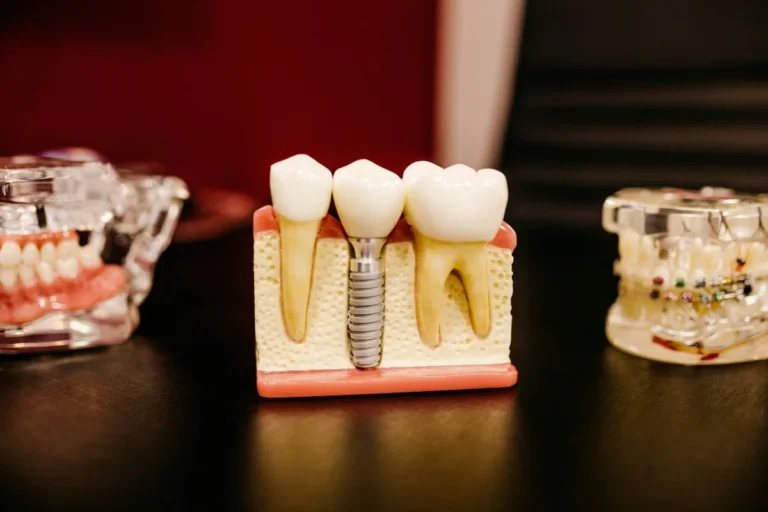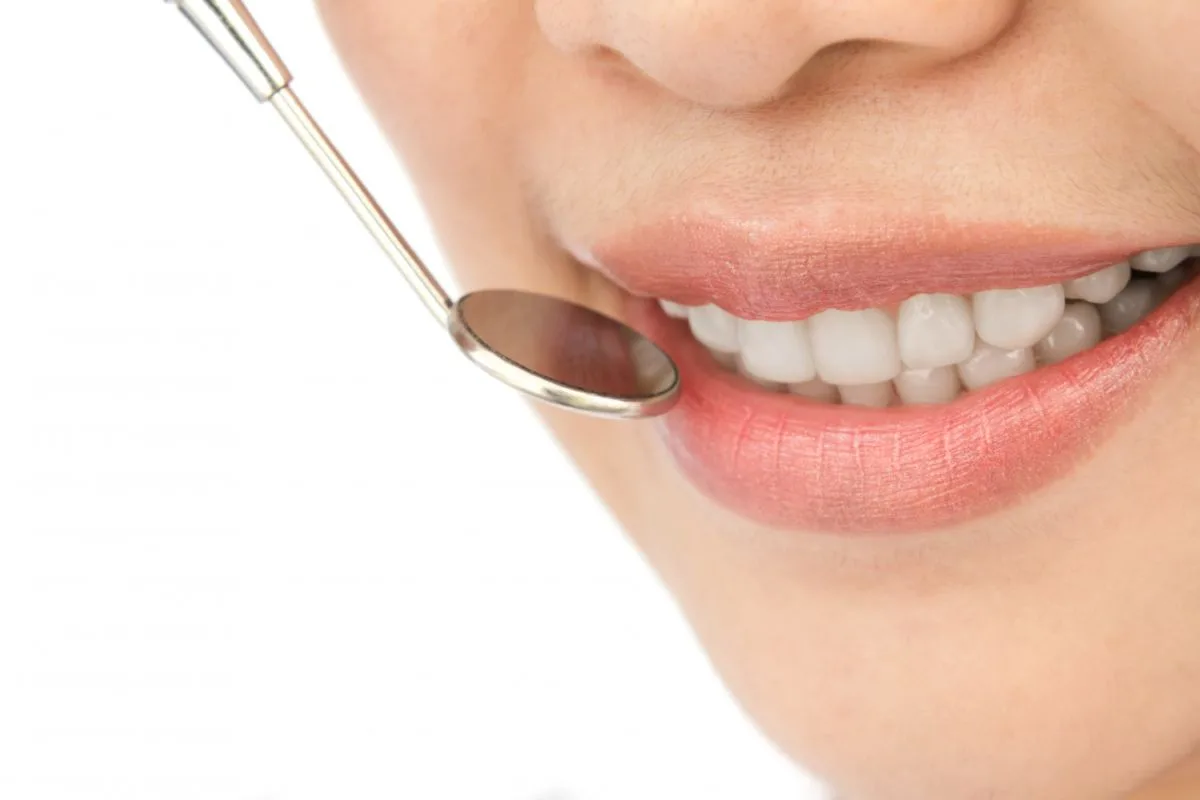
Dental veneers are a remarkable cosmetic dentistry solution, capable of transforming a smile by concealing imperfections like chips, cracks, stains, gaps, or minor misalignments. These thin, custom-made shells, typically crafted from porcelain or composite resin, are bonded to the front surface of teeth, creating a natural, aesthetically pleasing, and often dramatically improved appearance. Investing in veneers is an investment in your confidence and smile. However, like any valuable asset, they require proper care and maintenance to preserve their beauty and longevity, ensuring they continue to look as vibrant and flawless as the day they were placed.
While veneers are designed to be durable and stain-resistant (especially porcelain), they are not indestructible or immune to neglect. Adopting specific oral hygiene habits, being mindful of certain foods and activities, and maintaining regular dental visits are crucial for protecting your investment and keeping your veneered smile looking its absolute best for years, potentially even decades, to come. This guide provides essential tips and insights into the long-term care of your dental veneers, helping you maintain that picture-perfect result.
Don't Delay Your Treatment
Let's create your personalised treatment plan right away with a complimentary consultation with our specialist dentists.
Understanding Your Veneers: Material Matters
The type of material your veneers are made from influences their care slightly, although the core principles remain similar:
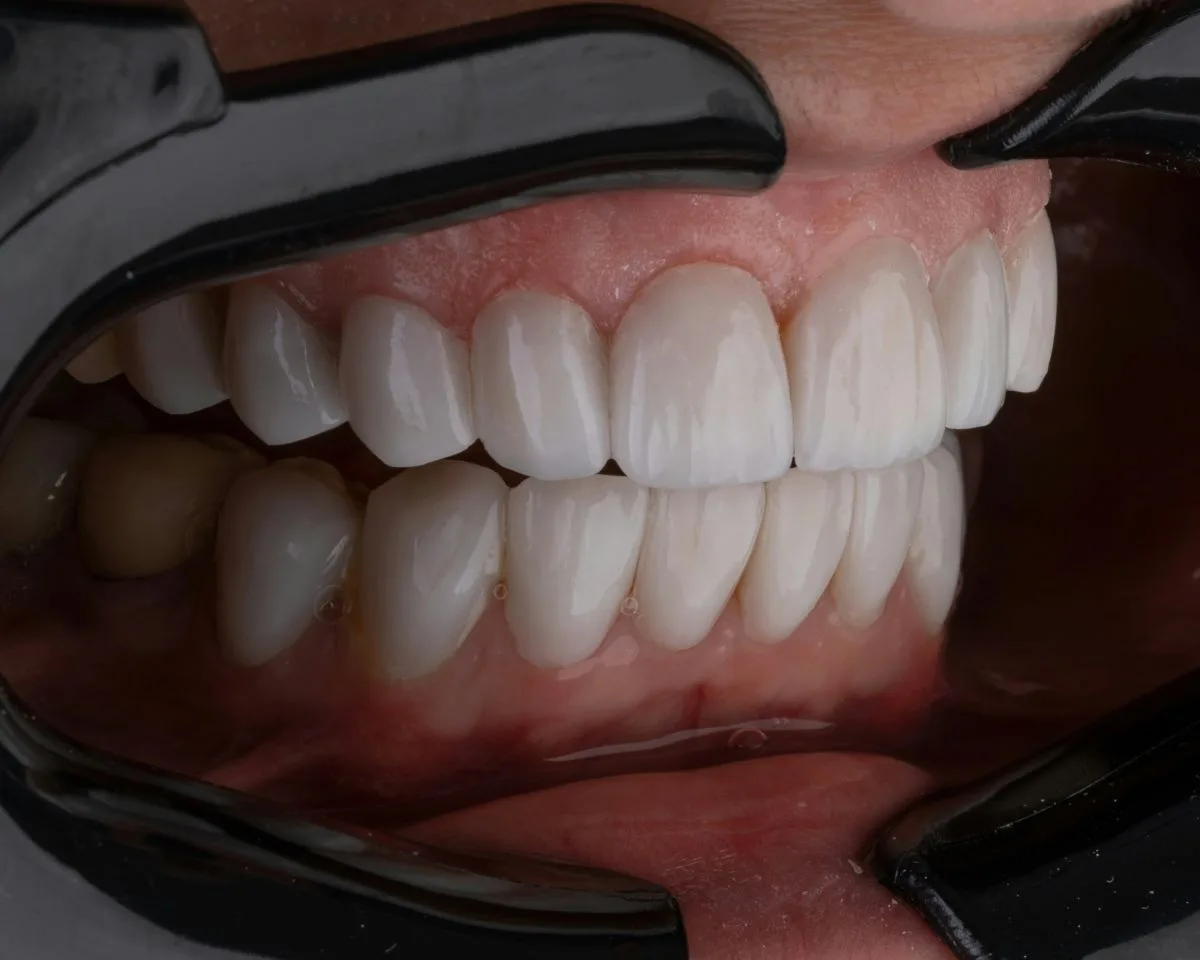
- Porcelain Veneers: These are highly prized for their durability, natural translucency (mimicking tooth enamel beautifully), and excellent stain resistance. Porcelain is a ceramic material that is very smooth and non-porous, making it difficult for stains to adhere. They generally last longer than composite veneers.
- Composite Resin Veneers: These are made from a tooth-colored filling material that is applied directly to the tooth and sculpted into shape, or sometimes pre-fabricated. While more affordable and often requiring less enamel removal than porcelain, composite veneers are more porous and thus more susceptible to staining over time. They may also chip or wear more easily than porcelain and might require more frequent polishing or touch-ups by your dentist.
Knowing your veneer type helps you understand their specific vulnerabilities and strengths, guiding your maintenance approach. Your dentist who performed the veneers placement will provide specific care instructions tailored to your material.
The Golden Rules: Daily Care for Pristine Veneers
The foundation of long-lasting, beautiful veneers lies in an excellent daily oral hygiene routine. This isn’t just about the veneers themselves but also about maintaining the health of the underlying natural teeth and surrounding gums, which are crucial for the veneers’ stability and overall aesthetics.
1. Meticulous Brushing (The Right Way)
- Frequency and Duration: Brush at least twice a day (morning and before bed) for a full two minutes each time. Some dentists may recommend brushing after every meal, especially if you have composite veneers.
- Toothbrush Choice: Opt for a soft-bristled toothbrush. Medium or hard bristles can be abrasive over time, potentially dulling the surface of composite veneers or, more importantly, causing gum recession around any type of veneer, which can expose the margin where the veneer meets the tooth.
- Toothpaste Selection (Crucial!): This is very important. Avoid highly abrasive toothpastes, especially those marketed as “whitening” toothpastes with harsh scrubbing agents (like silica or baking soda). These can scratch the surface of composite veneers and even the glaze on porcelain veneers over time, making them prone to staining. Instead, use a non-abrasive gel toothpaste, ideally one containing fluoride to protect the natural tooth structure underneath and around the veneers. Ask your dentist for specific brand recommendations.
- Gentle Technique: Use gentle, circular motions. Pay special attention to the gum line where the veneer meets your natural tooth, as this is where plaque can accumulate. Don’t scrub aggressively.
2. Diligent Flossing (Or Interdental Cleaning)
Flossing is non-negotiable, even with veneers. Plaque and food debris can easily get trapped between teeth, including those with veneers, and along the gum line. This can lead to cavities on the parts of your natural teeth not covered by the veneer (sides and back) or cause gum inflammation, which can compromise the appearance and health around your veneers.
- Floss Daily: At least once a day, preferably before bed.
- Proper Technique: Gently slide the floss between teeth, curving it in a C-shape against each tooth surface (including the veneered tooth) and carefully moving it up and down, extending slightly below the gum line. Be gentle but thorough.
- Alternatives: If traditional floss is challenging, water flossers or interdental brushes can be excellent adjuncts, but usually, string floss is still recommended for cleaning the contact points effectively.
3. Consider an Antiseptic Mouthwash (Optional)
Using an alcohol-free, non-staining antiseptic mouthwash can help reduce bacteria in the mouth and keep breath fresh. However, avoid mouthwashes with high alcohol content, as they can potentially dry out the mouth or, over very long periods, potentially affect the bonding agent of composite veneers (though this is less of a concern with modern materials). Always consult your dentist before adding a new mouthwash to your routine, especially one containing strong coloring agents.
Don't Delay Your Treatment
Let's create your personalised treatment plan right away with a complimentary consultation with our specialist dentists.
Lifestyle Adjustments: Protecting Your Veneer Investment
Beyond daily hygiene, certain lifestyle choices and habits can significantly impact how new your veneers look and how long they last.
1. Mind Your Diet: Staining and Stress
- Beware of Staining Culprits (Especially for Composite): While porcelain veneers are highly stain-resistant, composite veneers are more susceptible. Frequent consumption of intensely colored foods and drinks like coffee, tea, red wine, dark berries, curry, and soy sauce can lead to gradual discoloration over time. If you have composite veneers, try to consume these in moderation and rinse your mouth with water immediately afterward.
- Avoid Biting on Hard Objects: Veneers, while strong, are not designed to withstand extreme forces. Do NOT use your veneered teeth to bite on fingernails, ice, pens, hard candies, or to open packages. This can chip, crack, or dislodge them. Treat them with the same care you would (or should!) your natural teeth.
- Be Cautious with Tough or Chewy Foods: While you can generally eat normally, be a little more mindful when biting into very hard or tough foods (like tough steak or very crusty bread) directly with your front veneered teeth, especially if you have many veneers. Cutting such foods into smaller pieces is advisable.
2. Address Teeth Grinding (Bruxism)
If you clench or grind your teeth, especially at night (bruxism), this can put immense stress on your veneers, potentially leading to chipping, cracking, or debonding. Your dentist can diagnose bruxism and will likely recommend a custom-fitted occlusal guard (nightguard) to be worn during sleep. This appliance protects both your natural teeth and your veneers from damaging forces. This is often discussed as part of broader jaw joint problems (TMJ disorders) management if grinding is severe.
3. No Smoking or Tobacco Use
Tobacco products are detrimental to oral health in general and can severely stain composite veneers. The tar and nicotine can cause unsightly yellow or brown discoloration that is very difficult to remove. Smoking also increases the risk of gum disease, which can compromise the health around your veneers.
4. Limit Alcohol Consumption (For Composite Veneers)
Excessive alcohol consumption can, over time, potentially degrade the bonding agent used for composite veneers or soften the composite material itself, making it more prone to staining or wear. This is less of a concern for porcelain veneers.
The Role of Your Dentist: Regular Check-ups and Maintenance
Your commitment to home care is vital, but regular professional dental visits are equally important for keeping your veneers looking new and ensuring their longevity.
Don't Delay Your Treatment
Let's create your personalised treatment plan right away with a complimentary consultation with our specialist dentists.
- Routine Check-ups and Cleanings: Visit your dentist for regular check-ups and professional cleanings, typically every six months, or as recommended. During these visits, your dentist and hygienist will:
- Examine your veneers for any signs of chipping, cracking, wear, or debonding.
- Check the health of the underlying teeth and surrounding gums.
- Professionally clean your teeth and veneers, using special non-abrasive polishing pastes that are safe for veneers to remove any surface stains and plaque. This professional cleaning is part of good general dentistry that supports all your dental work.
- Assess your bite to ensure forces are distributed evenly.
- Addressing Issues Promptly: If you notice a chip, crack, or if a veneer feels loose, contact your dentist immediately. Minor damage can often be repaired easily if addressed quickly, preventing more significant problems.
- Polishing (Especially for Composite): Composite veneers may require occasional professional polishing by your dentist to remove surface stains and restore their luster, more so than porcelain veneers.
Your dentist is your partner in maintaining your beautiful veneered smile. If you are considering veneers or other smile enhancements, a thorough consultation to discuss options, including full smile design possibilities, is essential.
Common Questions & Answers About Veneer Care
Q: Can I still get cavities with veneers?
A: Yes. Veneers only cover the front surface of the tooth. The back and sides of your natural tooth, as well as the area along the gum line, are still susceptible to decay if not cleaned properly. This is why diligent brushing and flossing are crucial.
Q: Can veneers be whitened?
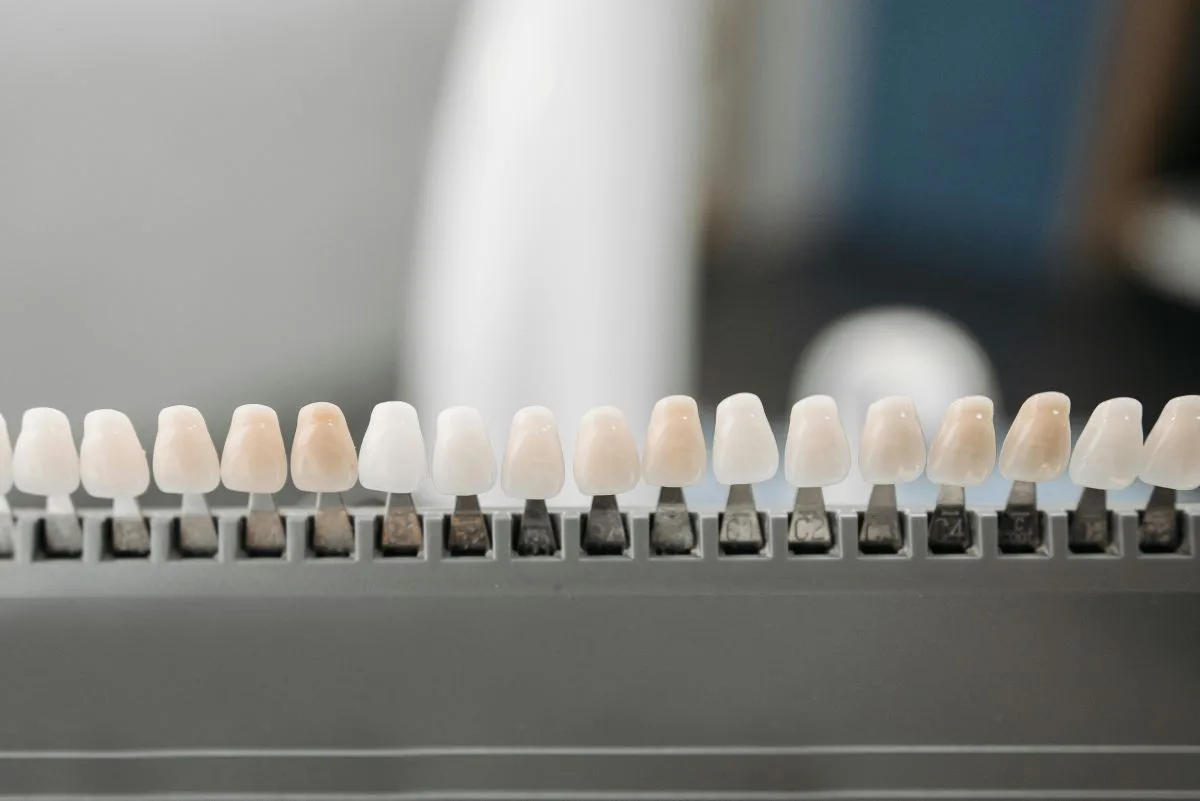
A: No. Veneer materials (porcelain or composite) do not respond to traditional teeth whitening treatments. If you are considering whitening your natural teeth, it should be done *before* veneer placement so the veneers can be matched to your newly whitened shade. If your veneers become stained (especially composite), they may need professional polishing or, in severe cases, replacement. In some situations, old or discoloured veneers may be replaced with newer ones, perhaps even using different materials like zirconium crowns if more strength and full coverage is indicated after re-evaluation.
Q: How long do veneers last?
A: With proper care and regular dental check-ups, porcelain veneers can last 10-15 years or even longer. Composite veneers typically have a shorter lifespan, around 5-7 years, before they may need repair or replacement due to staining, chipping, or wear.
Q: What if a veneer comes off?
A: Contact your dentist immediately. If possible, save the veneer. Do not attempt to reattach it yourself. Your dentist will assess why it came off and determine if it can be re-bonded or if a new veneer is needed.
Don't Delay Your Treatment
Let's create your personalised treatment plan right away with a complimentary consultation with our specialist dentists.
Conclusion: Cherishing Your Transformed Smile with Consistent Care
Dental veneers are a significant aesthetic enhancement, offering a pathway to a more confident and radiant smile. Protecting this investment and ensuring your veneers continue to look new and vibrant for many years requires a dedicated partnership between you and your dental team. By embracing meticulous daily oral hygiene with veneer-safe products, being mindful of dietary and lifestyle habits that can impact their integrity, and committing to regular professional check-ups and cleanings, you can successfully maintain the beauty and longevity of your transformed smile.
Remember, the health of your underlying teeth and gums is paramount to the success of your veneers. Treat them with care, and they will reward you with a stunning smile that continues to shine brightly through all of life’s moments.
Keep Your Veneers Pristine with Genç Dental’s Expert Care
Have you invested in dental veneers, or are you considering them to enhance your smile? At Genç Dental, we not only expertly place beautiful, natural-looking veneers but also provide comprehensive guidance and ongoing care to help you maintain their pristine condition for years to come. Our team is dedicated to ensuring your cosmetic dental work remains a source of confidence and pride.
From routine check-ups and specialized cleanings safe for veneers to advice on the best home care practices, we are your partners in preserving your beautiful smile. Contact Genç Dental today to schedule a consultation or your next maintenance appointment. Let us help you keep your veneers looking as stunning as the day they were placed.