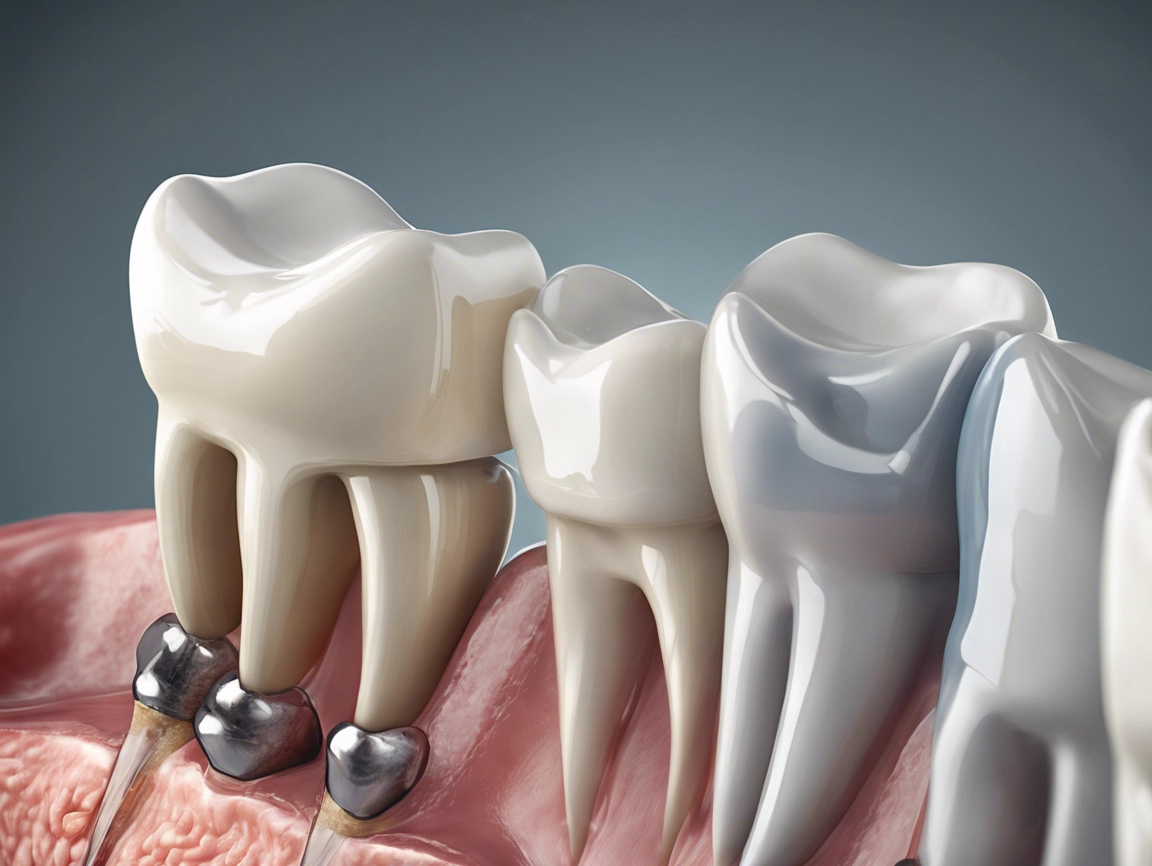
This comprehensive guide explores periodontal gum disease. Learn about common symptoms, underlying causes, and effective treatment options. Whether you’re experiencing gum issues or seeking preventive knowledge, this resource offers valuable insights.
Periodontal Gum Diseases
Periodontal gum diseases can show up in many ways and it’s important to be aware of the common symptoms. Some of the common symptoms are:
Don't Delay Your Treatment
Let's create your personalised treatment plan right away with a complimentary consultation with our specialist dentists.
- Red, swollen or tender gums
- Bleeding gums especially during brushing or flossing
- Bad breath that won’t go away
- Receding gums or teeth looking longer
- Loose or shifting teeth
If you are experiencing any of these symptoms, you need to see a dentist ASAP to prevent further complications.
Causes of Periodontal Gum Diseases
Periodontal gum diseases are caused by the accumulation of plaque, a sticky film of bacteria that forms on the teeth. When plaque is not removed properly through regular brushing and flossing, it can harden into tartar which can only be removed by a dentist. The bacteria in plaque and tartar can irritate the gums and cause inflammation and infection.
Other factors that can contribute to periodontal gum diseases are:
- Bad oral hygiene
- Smoking or tobacco use
- Hormonal changes (pregnancy or menopause)
- Medications that reduce saliva flow
- Genetic predisposition
Knowing the causes will help you take proactive measures to prevent periodontal gum diseases.

Risk Factors for Periodontal Gum Diseases
Anyone can get periodontal gum diseases but certain factors can increase the risk. These are:
Don't Delay Your Treatment
Let's create your personalised treatment plan right away with a complimentary consultation with our specialist dentists.
- Bad oral hygiene habits
- Smoking or tobacco use
- Diabetes
- Weakened immune system
- Hormonal changes
- Family history of gum diseases
Knowing these risk factors will help you take preventive measures and see a dentist if needed.
Periodontal Gum Diseases Diagnosis
Diagnosing periodontal gum diseases involves a comprehensive dental examination. Your dentist will check your gums, measure the pockets between your teeth and gums and look for signs of inflammation or infection. X-rays may also be taken to check the bone underneath.
If periodontal gum diseases are found, your dentist will explain the treatment options based on the severity.
Periodontal Gum Diseases Treatment
Treatment for periodontal gum diseases will depend on the stage and severity. Some common treatments are:
- Scaling and root planing: This deep cleaning procedure removes plaque and tartar from the tooth surfaces and root surfaces.
- Antibiotics: In some cases antibiotics may be prescribed to control the infection and heal.
- Surgical interventions: Advanced periodontal gum diseases may require surgical procedures like flap surgery or bone grafting to restore gum and bone health.
Follow your dentist’s advice and good oral hygiene habits to achieve success of the treatment.
Don't Delay Your Treatment
Let's create your personalised treatment plan right away with a complimentary consultation with our specialist dentists.

How to Prevent Periodontal Gum Diseases
Preventing periodontal gum diseases is the key to good oral health. Here are some preventive measures:
- Brush your teeth twice a day with fluoride toothpaste.
- Floss daily to remove plaque and food particles between your teeth.
- Use an antimicrobial mouthwash to reduce bacteria in your mouth.
- Eat balanced diet and limit sugary snacks and drinks.
- Avoid smoking or tobacco use.
By doing these habits you can reduce the risk of periodontal gum diseases.
Home Remedies for Periodontal Gum Diseases
Besides good oral hygiene, here are some home remedies that may help alleviate periodontal gum diseases:
- Rinsing with warm saltwater: Saltwater can reduce inflammation and heal.
- Applying a cold compress: A cold compress can give temporary relief from pain and swelling.
- Using aloe vera gel: Aloe vera has soothing properties that can reduce gum inflammation.
While these home remedies can give temporary relief, see your dentist for proper diagnosis and treatment plan.
Professional Dental Care for Periodontal Gum Diseases
Professional dental care is necessary to manage periodontal gum diseases. Regular dental cleanings and check ups let your dentist monitor your gum health and provide necessary treatments. Your dentist may recommend more frequent cleanings or special treatments depending on your condition.
Don't Delay Your Treatment
Let's create your personalised treatment plan right away with a complimentary consultation with our specialist dentists.
Your dentist can also advise you on good oral hygiene habits and give you personalized advice to keep your gums healthy.

Why Regular Dental Check-ups
Regular dental check ups are important in preventing and early detection of periodontal gum diseases. During these appointments your dentist can identify gum disease signs and intervene before it gets worse.
Also dental check ups allow professional cleanings which removes plaque and tartar that cannot be removed by brushing and flossing alone. These cleanings keep gums healthy and prevent gum diseases from progressing.
Consequences of Untreated Periodontal Gum Diseases
If not treated periodontal gum diseases can lead to:
- Gum recession: The gums may recede and expose the roots of the teeth and increase tooth sensitivity and decay.
- Tooth loss: Advanced gum disease can cause the supporting structures of the teeth to break down and lead to tooth loss.
- Bone loss: The infection can spread to the underlying bone and cause bone loss and potentially affect the stability of the teeth.
- Systemic health issues: Research has shown a link between periodontal gum diseases and certain systemic conditions like heart disease, diabetes and respiratory infections.
By treating periodontal gum diseases early you can minimize the risk of these complications and keep your oral and overall health in check.
Don't Delay Your Treatment
Let's create your personalised treatment plan right away with a complimentary consultation with our specialist dentists.
In summary periodontal gum diseases are common dental conditions that needs attention and management. By knowing the symptoms, causes and treatment options you can take proactive steps to prevent and manage this condition. Remember to practice good oral hygiene, have regular dental check ups and see your dentist if you have signs of gum disease. Your oral health is part of your overall well being so take care of it and have a healthy smile for years to come.
Get a Healthy Smile with Genç Dental
Knowing the importance of periodontal gum diseases is just the starting point. At Genç Dental® we will provide you the specialized care you need to prevent and manage gum diseases. With our team of experts and continuous learning and innovation we are here to help you achieve and maintain a healthy smile. Don’t let gum disease affect your oral or overall health.
Contact today to schedule an appointment and get started!