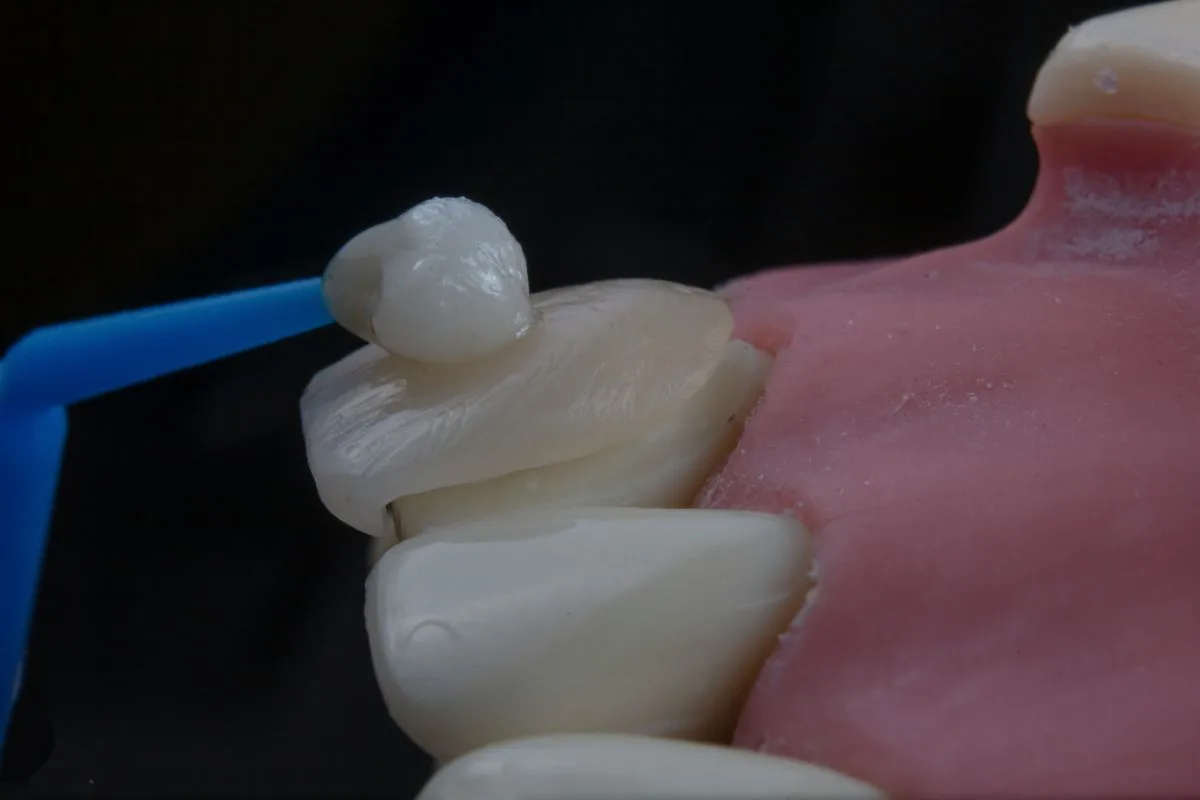
Many people are unaware that oral health goes beyond just having a bright, beautiful smile. The health of your mouth can have a significant impact on your overall well-being, particularly your heart health. Research has shown that there is a strong connection between oral health and cardiovascular health, with oral issues such as gum disease potentially increasing your risk of heart disease. In this article, we will explore how oral health can affect your heart, and provide tips on maintaining good oral hygiene to protect both your heart and your smile.
How Oral Health Impacts Heart Health
Oral health and heart health are intricately linked, with one influencing the other. Poor oral health, particularly gum disease, can contribute to the development of heart disease and other cardiovascular problems. Here are the key ways in which oral health affects your heart:
Don't Delay Your Treatment
Let's create your personalised treatment plan right away with a complimentary consultation with our specialist dentists.
1. The Role of Gum Disease (Periodontal Disease)
Gum disease, or periodontal disease, is one of the most common oral health issues, affecting millions of people worldwide. It is caused by bacterial infections in the gums, which can lead to inflammation, gum recession, and loss of teeth. However, what many people don’t realize is that the bacteria from infected gums can enter the bloodstream, where they may travel to the heart.
This is particularly concerning because these bacteria can attach to fatty deposits in the arteries, leading to the formation of plaque. Over time, this plaque can harden and narrow the arteries, a condition known as atherosclerosis. Atherosclerosis increases the risk of heart attack, stroke, and other cardiovascular problems. Research has also shown that people with gum disease are more likely to have high blood pressure and other heart-related issues.
2. Inflammation and the Heart
Inflammation is a central factor in both gum disease and heart disease. When the gums are infected, the body’s immune response is triggered, leading to inflammation. Chronic inflammation in the mouth can result in systemic inflammation, which affects the entire body, including the heart. This ongoing inflammation can contribute to the development of heart disease, as it increases the buildup of plaque in the arteries.
Studies have shown that individuals with high levels of inflammation in their bodies are more likely to develop heart disease. By reducing inflammation through good oral hygiene and regular dental care, you can lower your risk of cardiovascular problems.
3. The Impact of Poor Oral Hygiene on the Heart
One of the most effective ways to prevent gum disease and reduce your risk of heart disease is by maintaining excellent oral hygiene. Brushing your teeth twice a day with fluoride toothpaste, flossing daily, and using mouthwash can help keep bacteria in check and prevent gum infections. In addition, regular dental checkups are essential for early detection and treatment of any oral health issues.
Don't Delay Your Treatment
Let's create your personalised treatment plan right away with a complimentary consultation with our specialist dentists.
Failing to maintain good oral hygiene can allow plaque and bacteria to accumulate in the mouth, leading to gum disease and an increased risk of heart disease. Ensuring that your oral care routine is effective can go a long way in protecting both your mouth and your heart.
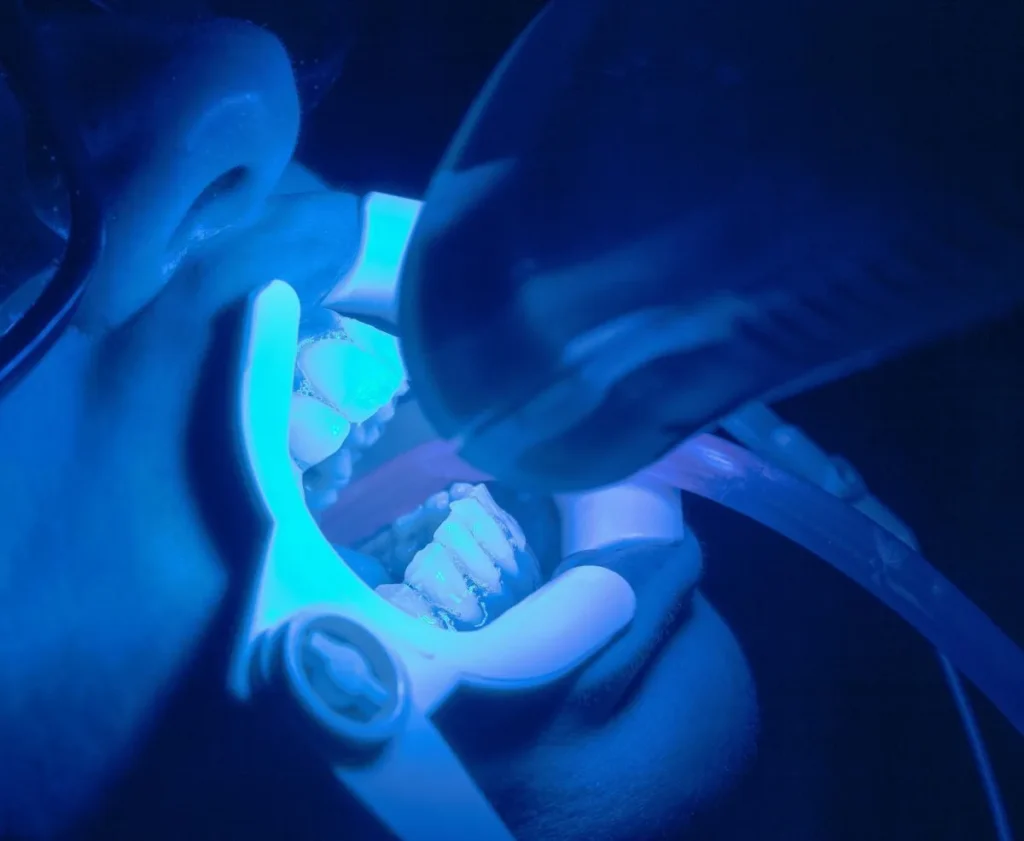
Tips for Maintaining Both Oral and Heart Health
Taking care of your oral health doesn’t just benefit your smile—it also has a direct impact on your heart. Here are some tips to maintain both oral and heart health:
1. Brush and Floss Regularly
Brushing your teeth twice a day and flossing at least once a day are essential for keeping your gums healthy and preventing bacteria from spreading throughout the mouth. Be sure to use fluoride toothpaste to strengthen your enamel and reduce plaque buildup. Additionally, use a soft-bristled toothbrush to prevent gum damage.
2. Visit Your Dentist Regularly
Regular dental visits are crucial for detecting any oral health issues early, including gum disease. Your dentist can also perform cleanings to remove plaque and tartar buildup, which brushing and flossing cannot completely eliminate. These checkups also give your dentist an opportunity to check for signs of oral health problems that may affect your heart. Staying consistent with your dental appointments is key to maintaining overall health.
3. Stop Smoking
Smoking is a major risk factor for both gum disease and heart disease. The chemicals in tobacco can damage the gums, contribute to inflammation, and reduce blood flow to the gums, making it harder for the body to fight infections. Smoking also increases the buildup of plaque in the arteries, which can lead to heart disease.
Don't Delay Your Treatment
Let's create your personalised treatment plan right away with a complimentary consultation with our specialist dentists.
If you smoke, quitting can significantly reduce your risk of both oral health and heart health problems. Speak to your doctor for advice on how to quit, and seek support to improve your overall well-being.
4. Eat a Heart-Healthy Diet
A healthy diet is important for both oral and heart health. Eating foods rich in antioxidants, fiber, and healthy fats can reduce inflammation and improve the health of your gums. Leafy greens, fruits, and vegetables help fight off bacteria, while omega-3 fatty acids found in fish like salmon can reduce inflammation throughout the body.
Avoid excessive sugary foods and drinks, as they can contribute to plaque buildup and gum disease. Similarly, limiting alcohol consumption can reduce your risk of oral infections and heart problems.
5. Manage Stress
Stress can take a toll on your body, including your oral and heart health. Chronic stress can lead to gum inflammation, teeth grinding, and other oral issues. It can also increase blood pressure and the risk of heart disease.
To manage stress, consider incorporating relaxation techniques like yoga, meditation, and deep breathing exercises into your daily routine. Reducing stress can have significant benefits for both your mouth and your heart.
Don't Delay Your Treatment
Let's create your personalised treatment plan right away with a complimentary consultation with our specialist dentists.
Conclusion
The connection between oral health and heart health is stronger than many people realize. By maintaining good oral hygiene, visiting your dentist regularly, and making healthy lifestyle choices, you can protect both your smile and your heart. Don’t wait until an oral health problem affects your cardiovascular health—take proactive steps today to improve your oral hygiene and safeguard your heart.
Prioritize Your Oral and Heart Health with Genç Dental
At Genç Dental®, we believe that oral health is an integral part of overall well-being. Our expert team is here to help you take care of your teeth, gums, and heart. Schedule a consultation with us today to learn more about how we can support your oral and heart health. Don’t wait—take control of your health now! Visit our contact page to book your appointment.