Tooth sensitivity is a common yet often distressing dental condition that can affect anyone at some point in their lives. This condition can make it difficult to enjoy hot, cold, sweet, or even acidic foods and beverages. The discomfort can vary in intensity, ranging from mild discomfort to severe pain, and is often triggered by everyday activities such as eating, drinking, or brushing. Understanding the science behind tooth sensitivity and how to effectively treat it is key to maintaining a healthy smile. This article will explore the causes of tooth sensitivity, how it affects your teeth, and the most effective ways to treat and prevent it.
1) What Causes Tooth Sensitivity?
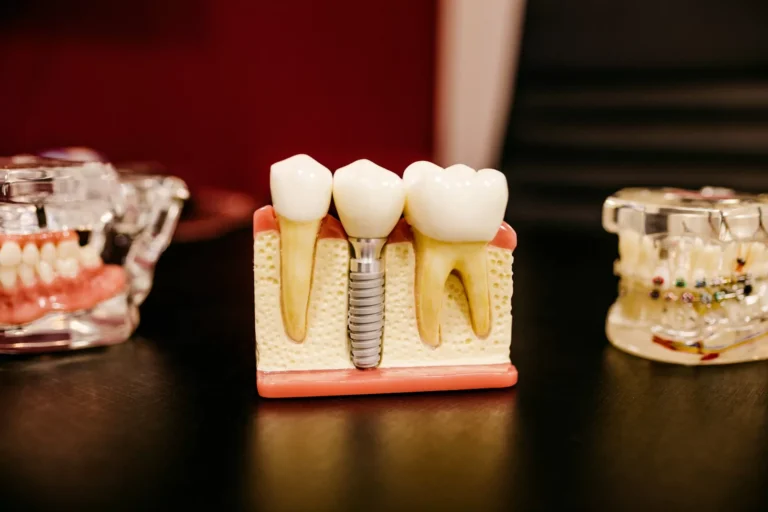
Tooth sensitivity, also known as dentin hypersensitivity, occurs when the protective layers of the tooth are worn down, exposing the sensitive inner layer of the tooth called the dentin. The dentin contains microscopic tubules that lead to the nerve of the tooth. When these tubules are exposed, external factors such as hot, cold, or acidic foods can stimulate the nerve, resulting in sharp, sudden pain.
Don't Delay Your Treatment
Let's create your personalised treatment plan right away with a complimentary consultation with our specialist dentists.
Several factors can contribute to tooth sensitivity. Below are the most common causes:
- Enamel Erosion: Enamel is the hard, protective outer layer of your teeth. It can wear down due to various factors, including acidic foods and drinks, improper brushing techniques, and teeth grinding. When enamel is eroded, the underlying dentin becomes exposed, leading to sensitivity.
- Gum Recession: Gum recession occurs when the gums pull away from the teeth, often as a result of aggressive brushing, periodontal disease, or aging. As the gums recede, the tooth roots, which are not covered by enamel, become exposed, increasing the risk of sensitivity.
- Tooth Decay: Cavities or cracked teeth can also expose the dentin and cause sensitivity. As decay progresses, the tooth becomes more vulnerable to temperature changes and other external stimuli.
- Overzealous Brushing: Brushing your teeth too hard with a stiff-bristled toothbrush can cause enamel wear and gum recession, both of which contribute to sensitivity. Using the right brushing technique is essential to prevent this issue.
- Teeth Grinding (Bruxism): Chronic teeth grinding, especially during sleep, can wear down enamel and cause tooth sensitivity. This can be exacerbated by stress and anxiety and may require professional treatment to manage.
How Tooth Sensitivity Affects Your Daily Life
Tooth sensitivity can disrupt your daily routine, especially when consuming hot or cold foods and drinks. Even brushing or flossing your teeth may become painful, making it difficult to maintain proper oral hygiene. Many individuals also experience discomfort when exposed to cold air or when consuming acidic or sweet foods.
For those who suffer from tooth sensitivity, even simple pleasures such as enjoying a hot cup of coffee or a cold ice cream cone may become excruciating. Fortunately, there are several treatment options available to manage and alleviate tooth sensitivity.
2) How to Treat Tooth Sensitivity
The good news is that tooth sensitivity can often be managed with simple treatments. The best approach depends on the underlying cause of the sensitivity and the severity of the condition. Here are some ways to treat tooth sensitivity effectively:
At-Home Remedies for Tooth Sensitivity
If you are experiencing mild to moderate sensitivity, there are several at-home remedies that can help alleviate discomfort:
Don't Delay Your Treatment
Let's create your personalised treatment plan right away with a complimentary consultation with our specialist dentists.
- Desensitizing Toothpaste: Special toothpaste designed for sensitive teeth contains compounds that help block the nerve signals in the exposed dentin. Using desensitizing toothpaste regularly can significantly reduce sensitivity over time.
- Fluoride Gel: Fluoride is known for its ability to strengthen enamel and remineralize weakened areas of the tooth. Applying fluoride gel to sensitive areas of the teeth can help reduce pain and prevent further erosion of the enamel.
- Soft-Bristled Toothbrush: Switching to a soft-bristled toothbrush and brushing gently can prevent further damage to the enamel and gums. It’s important to avoid brushing too hard, as this can exacerbate sensitivity and cause more harm.
- Gum Protection: If gum recession is a factor, fluoride mouthwashes can help protect the exposed tooth roots and reduce sensitivity. Be sure to use alcohol-free mouthwash to avoid irritation to the gums.
Professional Treatments for Severe Sensitivity
If your sensitivity persists despite at-home treatments, professional intervention may be necessary. Dentists can offer a range of treatments designed to address the root cause of sensitivity and provide lasting relief:
- Dental Sealants: If the sensitivity is caused by exposed dentin, your dentist may apply a dental sealant to coat the sensitive areas of the teeth. This protective coating helps shield the nerve from external stimuli and reduces pain.
- Bonding Agents: In cases where cavities, cracks, or worn fillings are causing sensitivity, dental bonding can be used to restore the tooth’s structure and cover the exposed dentin.
- Gum Grafting: If gum recession is severe, your dentist may recommend a gum graft to cover the exposed tooth roots. This procedure can provide long-term relief from sensitivity and improve the appearance of your gums.

3) Preventing Tooth Sensitivity
While tooth sensitivity can often be treated, prevention is always the best approach. By maintaining a good oral hygiene routine and making certain lifestyle changes, you can reduce your risk of developing sensitivity. Here are some tips for preventing tooth sensitivity:
- Brush Properly: Brush your teeth twice a day with a soft-bristled toothbrush and fluoride toothpaste. Avoid brushing too hard, as this can wear down your enamel and cause gum recession.
- Limit Acidic Foods: Acidic foods and drinks, such as citrus fruits, soda, and wine, can erode enamel over time. It’s best to limit these foods, especially if you are prone to sensitivity.
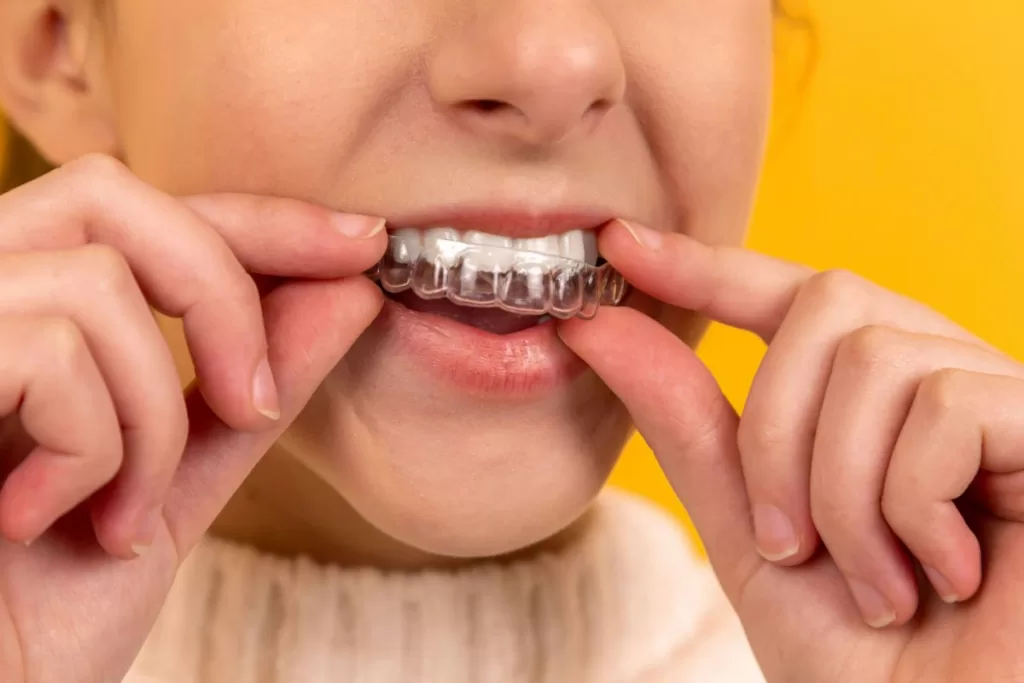
- Wear a Mouthguard: If you grind your teeth at night, wearing a custom mouthguard can protect your teeth from damage caused by bruxism and prevent enamel wear.
- Regular Dental Checkups: Regular dental visits are essential for catching early signs of enamel erosion, cavities, and gum disease. Your dentist can provide treatments and advice to help maintain your oral health.
4) When to Seek Professional Help
If your tooth sensitivity is severe or persists despite your efforts to manage it at home, it’s important to visit a dentist. Persistent sensitivity can be a sign of underlying issues such as cavities, gum disease, or enamel erosion that require professional care.
Your dentist can help identify the cause of the sensitivity and recommend the most appropriate treatment to provide relief. With the right care and attention, you can manage tooth sensitivity and enjoy a pain-free smile.
Take Control of Your Oral Health with Genç Dental
If you are struggling with tooth sensitivity, don’t wait to seek help. At Genç Dental®, our experienced team of dental professionals is here to provide personalized care tailored to your needs. Whether you need a thorough examination, treatment for tooth sensitivity, or guidance on preventing future issues, we are here to help you achieve a healthy, comfortable smile. Schedule an appointment today and take the first step toward better dental health!