We often worry about cavities caused by sugar-loving bacteria, but there’s another, equally insidious threat to our teeth: enamel erosion. Unlike decay, which involves bacteria metabolizing sugars into acids, erosion is the direct chemical dissolution of tooth enamel by acids from sources *other* than bacteria – primarily from our diet or even from within our own bodies. It’s a process that slowly, often silently, wears away the hard, protective outer layer of our teeth, leaving them vulnerable, sensitive, and aesthetically compromised. Understanding this process is crucial because, unlike a cavity that can be filled, once enamel is gone, it’s gone for good.
Enamel is the hardest substance in the human body, a remarkable shield designed to withstand significant biting forces. Yet, it’s surprisingly susceptible to acid attack. Recognizing the subtle signs of erosion and, more importantly, understanding its causes is the first step toward implementing effective preventive strategies. Protecting your enamel isn’t just about avoiding pain; it’s about preserving the integrity, function, and appearance of your smile for a lifetime.
Don't Delay Your Treatment
Let's create your personalised treatment plan right away with a complimentary consultation with our specialist dentists.
What is Enamel Erosion? The Science Explained
Tooth enamel is a highly mineralized crystalline structure, composed mainly of hydroxyapatite. Think of it as a tightly packed lattice of calcium and phosphate ions. Enamel erosion occurs when acids directly contact the tooth surface and literally dissolve these mineral crystals, stripping them away layer by layer. This is a purely chemical process, distinct from dental caries (cavities), where bacterial acids demineralize the tooth in localized spots.
The critical factor is pH. The pH scale measures acidity, with 7 being neutral. Anything below 7 is acidic. Tooth enamel typically begins to dissolve when the pH in the mouth drops below approximately 5.5 (the “critical pH”). The lower the pH (more acidic) and the longer the exposure time, the more significant the enamel dissolution. Common culprits like sodas (pH 2.5-3.5), citrus juices (pH 3-4), and stomach acid (pH 1.5-3.5) are well below this critical threshold.
Unlike bone or skin, enamel does not contain living cells and therefore cannot regenerate or repair itself once it’s physically lost through erosion. Saliva plays a crucial role in neutralizing acids and providing minerals for remineralization (repairing microscopic demineralization from *bacterial* acid attacks), but it cannot rebuild enamel that has been chemically eroded away. This irreversibility makes prevention paramount.
The Culprits: Common Causes of Enamel Erosion
The acids responsible for enamel erosion primarily come from two sources: extrinsic (dietary) and intrinsic (from the body).
1. Dietary Acids (Extrinsic Erosion)
This is arguably the most common cause in the general population, stemming from the foods and drinks we consume:
Don't Delay Your Treatment
Let's create your personalised treatment plan right away with a complimentary consultation with our specialist dentists.
- Acidic Beverages: This is a major category.
- Carbonated Drinks (Sodas): Both regular and diet versions are highly acidic due to carbonic acid (from carbonation) and often phosphoric or citric acids added for flavour. Diet sodas lack sugar but are still very erosive.
- Fruit Juices: Citrus juices (orange, lemon, grapefruit), apple juice, and berry juices are naturally acidic.
- Sports & Energy Drinks: Often contain high levels of citric acid and other acids, combined with sugar, making them doubly damaging.
- Wine: Both red and white wine have erosive potential due to their acidity.
- Carbonated Water (Sparkling Water): While less aggressive than soda, the carbonic acid can still contribute to erosion, especially with frequent consumption. Flavoured varieties often have added citric acid, increasing their erosivity.
- Acidic Foods:
- Citrus Fruits: Lemons, limes, oranges, grapefruits consumed frequently or held in the mouth (like sucking on lemons) can be very erosive.
- Sour Candies: Often coated in or contain highly acidic powders (citric, malic, tartaric acid).
- Vinegar and Pickled Foods: The acetic acid in vinegar is erosive.
- Certain Fruits and Berries: Grapes, berries, tomatoes can be acidic, though generally less problematic than citrus unless consumed in very large quantities or juice form.
It’s not just *what* you consume, but *how* and *how often*. Sipping acidic drinks slowly throughout the day causes prolonged acid exposure compared to drinking them quickly with a meal. Frequency trumps quantity when it comes to erosion.
2. Stomach Acids (Intrinsic Erosion)
Acid from the stomach reaching the mouth is a potent cause of erosion, often affecting the back surfaces of teeth more severely. Common causes include:
- Gastroesophageal Reflux Disease (GERD): Chronic acid reflux brings stomach acid up into the esophagus and potentially into the mouth, especially during sleep. Many people with GERD are unaware they have it until dental signs appear.
- Frequent Vomiting: Conditions like bulimia nervosa or cyclical vomiting syndrome expose teeth repeatedly to highly acidic stomach contents.
- Morning Sickness During Pregnancy: Similar to other causes of vomiting, frequent morning sickness can contribute to significant erosion.
- Alcoholism: Can contribute through frequent vomiting and often increased consumption of acidic alcoholic beverages.
3. Medications and Environmental Factors
Other less common, but still relevant, factors include:
- Certain Medications: Chewable aspirin, some vitamin C tablets, certain asthma medications, and liquid iron supplements can be acidic. Some medications cause dry mouth (xerostomia), reducing saliva’s protective effect and indirectly increasing erosion risk.
- Occupational/Environmental Exposure: Workers in industries involving acidic fumes (e.g., battery manufacturing) or competitive swimmers training frequently in improperly chlorinated pools (low pH) may experience higher rates of erosion.
- Dry Mouth (Xerostomia): Reduced saliva flow (due to medications, medical conditions like Sjögren’s syndrome, or radiation therapy) means less buffering capacity to neutralize acids and less lubrication, making teeth more susceptible.
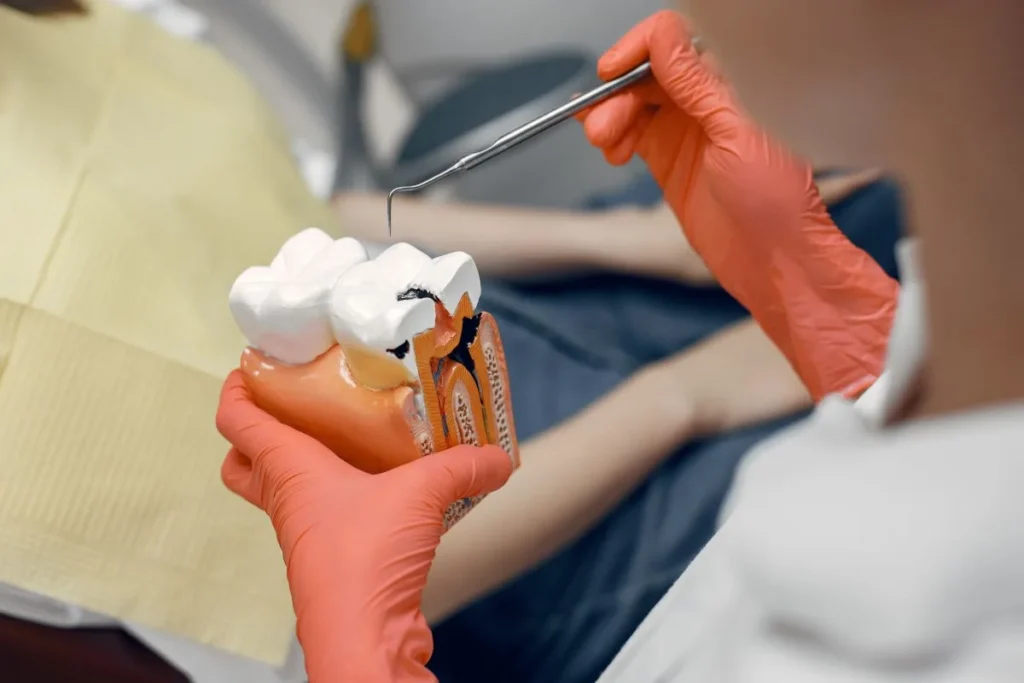
Recognizing the Signs: How Do You Know If You Have Enamel Erosion?
Enamel erosion often progresses gradually, and you might not notice it until it’s moderately advanced. Being aware of the potential signs can prompt you to seek dental advice earlier:
- Tooth Sensitivity: This is often the first noticeable symptom. As enamel thins, the underlying dentin becomes exposed. Dentin contains microscopic tubules that lead towards the tooth’s nerve, making it sensitive to hot, cold, sweet, or sometimes even acidic stimuli.
- Discoloration (Yellowing): Enamel is naturally translucent white. Dentin, the layer beneath, is yellower. As enamel erodes, more of the underlying dentin color shows through, making teeth appear more yellow.
- Transparency or Sand-Blasted Look: The biting edges of front teeth may appear translucent or greyish as the enamel thins significantly. The overall surface might lose its natural texture and appear overly smooth and shiny.
- Rounded or Worn-Down Appearance: Teeth, especially the front ones, can lose their defined shape and appear shorter or rounded at the edges.
- Cupping or Dents: Small depressions or “cups” can develop on the chewing surfaces of molars and premolars where the enamel has worn away. Existing fillings might appear raised as the surrounding enamel erodes around them.
- Increased Cracking or Chipping: As enamel thins, the edges become weaker and more susceptible to chipping or developing small cracks (crazing).
If you notice any of these signs, it’s essential to consult your dentist. They can diagnose erosion, differentiate it from other forms of tooth wear (like attrition from grinding or abrasion from aggressive brushing), identify potential causes, and recommend appropriate action.
Don't Delay Your Treatment
Let's create your personalised treatment plan right away with a complimentary consultation with our specialist dentists.
The Consequences: Why Enamel Erosion Matters
The loss of protective enamel has significant implications for your oral health and comfort:
- Persistent Sensitivity: Chronic sensitivity to temperature or sweetness can significantly impact your enjoyment of food and drink.
- Increased Cavity Risk: Thinner enamel provides less protection against bacterial acid attacks, making teeth more prone to decay, potentially requiring dental fillings.
- Aesthetic Concerns: Yellowing, transparency, shorter teeth, and chipping can negatively affect the appearance of your smile.
- Structural Weakness: Severely eroded teeth are more likely to fracture or break.
- Need for Complex Dental Work: In advanced cases, restoring function and aesthetics may require extensive and costly treatments like bonding, veneers, or crowns to rebuild the lost tooth structure.
Addressing erosion early focuses on prevention and managing sensitivity, while later stages often necessitate restorative intervention.
Prevention is Key: Strategies to Protect Your Enamel
Since lost enamel doesn’t grow back, prevention is the most effective strategy. This involves modifying dietary habits, optimizing oral hygiene, and addressing underlying medical conditions.
1. Dietary Modifications
- Reduce Frequency of Acidic Intake: Limit consumption of sodas, sports drinks, juices, wine, and highly acidic foods. Save them for occasional treats rather than daily habits.
- Consume Acids with Meals: If you do have something acidic, consuming it with a meal is better than sipping it alone. Saliva production is higher during meals, helping to buffer acids.
- Don’t Swish or Hold: Avoid holding acidic drinks or foods (like sour candies or lemon slices) in your mouth for extended periods.
- Use a Straw: Drinking acidic beverages through a straw positioned towards the back of your mouth can help bypass the front teeth.
- Rinse with Water Immediately After: After consuming something acidic, rinse your mouth thoroughly with plain water to help neutralize and wash away the acid.
- Follow with Dairy or Cheese: Eating cheese or drinking milk after acidic foods can help neutralize acids and provide calcium.
2. Smart Oral Hygiene Habits
- WAIT Before Brushing: This is crucial! Do NOT brush your teeth immediately after consuming acidic foods or drinks, or after vomiting/reflux. Acid softens the enamel temporarily, and brushing right away can scrub away the softened layer. Wait at least 30-60 minutes for saliva to neutralize the acid before brushing.
- Use a Soft-Bristled Toothbrush: Avoid medium or hard bristles, which can be abrasive to enamel, especially if it’s already softened by acid.
- Choose Fluoride Toothpaste: Fluoride is essential. It strengthens remaining enamel, makes it more acid-resistant, and promotes remineralization of early bacterial demineralization. This is a key part of any preventive dental treatments strategy.
- Avoid Abrasive Toothpastes: Some whitening toothpastes contain harsh abrasives that can contribute to enamel wear. Look for the ADA Seal of Acceptance or consult your dentist.
3. Addressing Intrinsic Acid Sources
- Manage GERD/Reflux: If you suspect acid reflux, consult your physician for diagnosis and treatment (medications, dietary changes, lifestyle adjustments).
- Seek Help for Eating Disorders: Bulimia requires professional medical and psychological intervention. Protecting teeth is secondary to addressing the underlying disorder, but dental management (fluoride, monitoring) is important.
4. Optimize Saliva Flow
- Stay Hydrated: Drink plenty of plain water throughout the day.
- Chew Sugar-Free Gum: Chewing gum containing xylitol after meals stimulates saliva flow, helping to neutralize acids and remineralize teeth.
- Address Dry Mouth: If dry mouth is an issue, discuss causes and potential treatments (artificial saliva, medications) with your dentist or doctor.
5. Regular Dental Check-ups
- Early Detection: Your dentist and hygienist are trained to spot the early signs of erosion, often before you notice them yourself.
- Professional Advice: They can identify potential causes based on the pattern of erosion and provide personalized prevention advice.
- Protective Treatments: They may recommend professional fluoride applications or sealants to protect vulnerable teeth. Many options fall under prosthodontics when restoration is needed, but prevention is always the first goal.
Can Enamel Erosion Be Treated? Restoring Damaged Teeth
While lost enamel cannot be regenerated, various treatments can manage symptoms, protect the remaining tooth structure, and restore aesthetics and function:
- Desensitizing Agents: Toothpastes, gels, or varnishes containing ingredients like potassium nitrate or stannous fluoride can help block the dentin tubules and reduce sensitivity.
- Dental Bonding: Tooth-colored composite resin can be bonded to eroded areas to cover exposed dentin, reduce sensitivity, and improve appearance in milder cases.
- Dental Fillings: If erosion has created distinct pits or combined with decay, fillings may be used.
- Veneers: Thin shells of porcelain or composite material bonded to the front surfaces of teeth. Veneers are primarily used to restore the appearance of significantly eroded or discolored front teeth.
- Dental Crowns: For severely eroded teeth where significant structure is lost or the tooth is weakened, a crown (cap) covering the entire tooth provides the best protection and restores shape and function.
The appropriate treatment depends on the severity and location of the erosion, the presence of sensitivity, and aesthetic concerns. Early intervention focuses on prevention and desensitization, while later stages often require restorative solutions.
Don't Delay Your Treatment
Let's create your personalised treatment plan right away with a complimentary consultation with our specialist dentists.
Conclusion: Safeguarding Your Enamel for a Lifetime Smile
Enamel erosion is a common yet often underestimated threat to lifelong dental health. Caused by direct acid attack from dietary or intrinsic sources, it permanently removes the protective outer layer of our teeth, leading to sensitivity, discoloration, and structural weakness. Unlike cavities, lost enamel cannot be regrown, making prevention absolutely critical.
By understanding the causes – from acidic drinks and foods to medical conditions like acid reflux – and recognizing the early signs, you can take proactive steps. Modifying your diet, optimizing your oral hygiene routine (especially remembering *not* to brush immediately after acid exposure), using fluoride products, and seeking regular professional dental care are your best defenses. Protecting your enamel today is an investment in a comfortable, functional, and confident smile for the future.
Protect Your Smile from Erosion with Genç Dental
Worried about enamel erosion or experiencing tooth sensitivity? Early detection and personalized prevention strategies are key to protecting your smile. At Genç Dental, our expert team is skilled in identifying the signs of enamel erosion, determining its potential causes, and developing tailored plans to manage the condition and prevent further damage. We offer comprehensive evaluations, professional advice on diet and hygiene, and state-of-the-art restorative solutions if needed.
Don’t let enamel erosion compromise your oral health. Let us help you understand your risk and implement the best protective measures. Contact Genç Dental today to schedule a consultation and take proactive steps towards preserving your strong, healthy enamel for years to come.